





The Delightful Side of Science: A Celebration of 2025’s Most Charming Discoveries
Science, at its core, is about the pure joy of discovery – that magical moment when we push the boundaries of human knowledge and understand a bit more about our fascinating world. The past year has gifted us with an eclectic mix of scientific breakthroughs that range from the whimsical to the profound. As we look back at 2025’s most endearing research highlights, we’re reminded that amidst life’s complexities, taking time to appreciate these small wonders can genuinely boost our wellbeing. Let’s explore some of the year’s most delightful scientific gems.
Among the most charming discoveries of the year was the creation of a minuscule elephant, 3D-printed inside living human cells. This tiny pachyderm, measuring just 10 micrometers from trunk to tail (smaller than the width of a human hair), represents more than just a technical feat – it opens doors to potential new methods for manipulating and controlling cells. While the practical applications are significant, there’s something wonderfully whimsical about scientists creating a microscopic elephant. This blend of cutting-edge technology with playful creativity perfectly embodies the spirit of innovation that drives scientific discovery, reminding us that even serious research can contain elements of joy and wonder.
On the social science front, researchers found encouraging progress in the division of household labor. Though married women still shoulder more domestic responsibilities than their male counterparts, the gender gap in traditionally feminine chores like cooking, cleaning, and laundry has narrowed significantly over the past two decades. Women may still be putting in 2.5 hours for every hour men spend on these tasks, but the trend is moving in the right direction. This research gives us reason for optimism about continued progress toward domestic equality in the years ahead, offering a heartening glimpse into how our society continues to evolve toward greater fairness and shared responsibility.
In the realm of medical innovation, researchers made a breakthrough that might forever change how we think about vaccines – by administering them through dental floss. While it may sound amusing to picture scientists gently flossing mice’s teeth, this novel approach to vaccination could have profound implications for public health. By developing specialized dental floss capable of delivering vaccines, researchers have potentially created a less painful, more convenient alternative to traditional injections. This ingenious method demonstrates how scientific creativity can transform something as mundane as flossing into a potentially revolutionary healthcare tool, making preventative medicine more accessible and less intimidating for people worldwide.
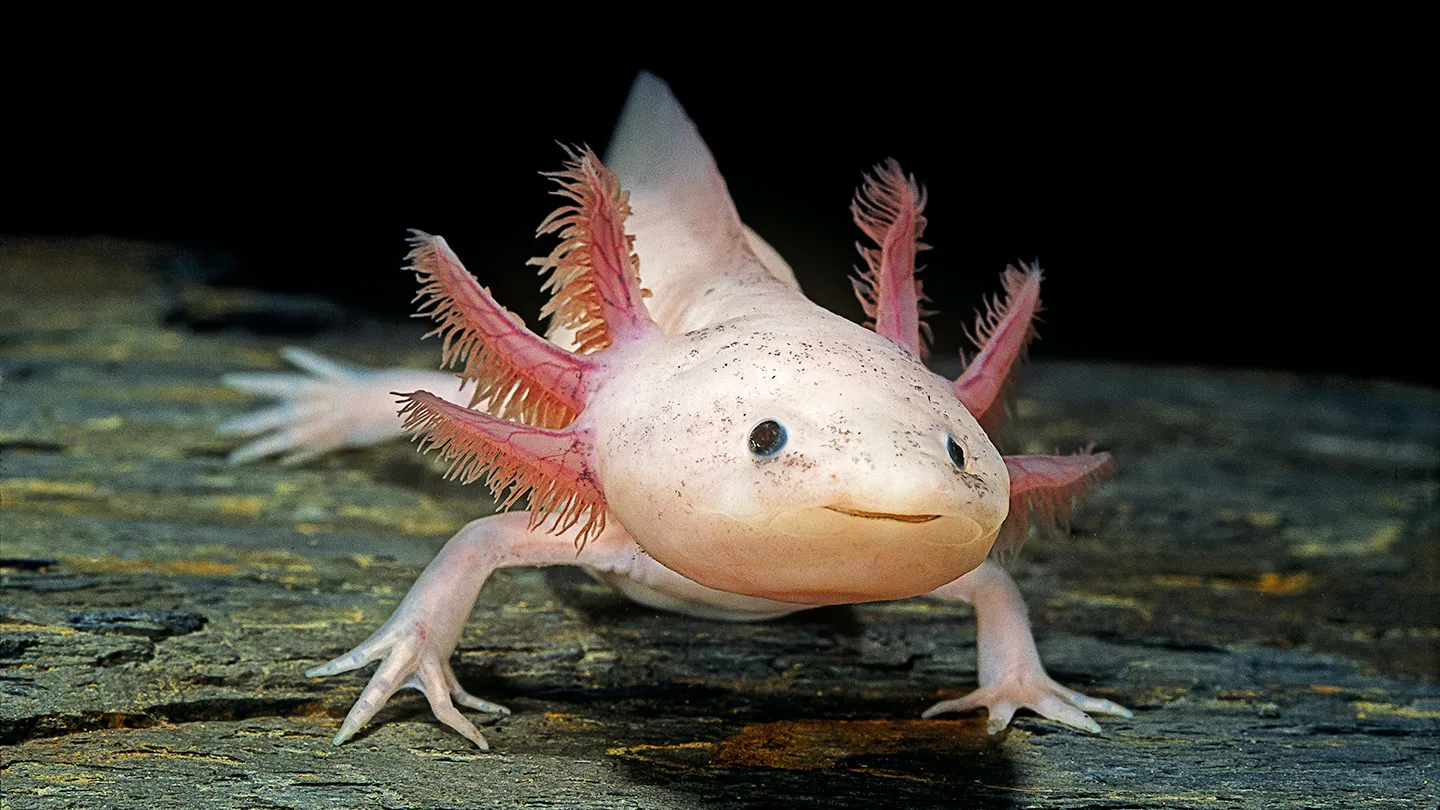
Conservation science brought both concerning news and reasons for hope regarding the beloved axolotl. These charismatic aquatic salamanders, known for their perpetually smiling faces and remarkable regenerative abilities, face extinction in their natural habitats. However, researchers have found promising evidence that captive-bred axolotls could successfully reintegrate into wild environments, potentially saving the species from disappearing forever. This delicate balance of sobering reality and optimistic possibility reflects much of conservation work today – acknowledging serious threats while actively developing solutions that might preserve Earth’s extraordinary biodiversity for future generations.
The natural world revealed its endless capacity to surprise us through a remarkable study of blowfly larvae in Morocco. These clever insects have evolved an astonishing form of disguise – their posterior ends mimic termite faces, complete with false antennae, eyes, and other features. This “butthead” adaptation allows the blowfly larvae to infiltrate termite nests undetected, a brilliant evolutionary strategy that demonstrates nature’s incredible ingenuity. Such discoveries remind us that the world is filled with wonders that have evolved over millions of years, waiting for curious scientists to uncover their secrets. The more we learn about such adaptations, the deeper our appreciation grows for life’s endless creativity.
In perhaps the year’s most eyebrow-raising research, scientists explored an unconventional breathing method that gives new meaning to the term “alternative airway.” In a remarkable display of scientific dedication, 27 brave male volunteers participated in a study examining whether humans could absorb oxygen through their intestinal tracts. The participants courageously accepted oxygen-rich liquid into their rectums and held it for an hour, with most tolerating the procedure well. While future research will determine whether this method can effectively increase blood oxygen levels, the study represents a potentially life-saving approach for patients with severe respiratory conditions. This research perfectly illustrates how scientific progress often requires both creative thinking and courageous individuals willing to participate in unusual experiments for the greater good.
As 2025 draws to a close, we also gained insight into the physics behind one of humanity’s most universal expressions of joy – clapping. Researchers discovered that when our palms meet in applause, they create a phenomenon known as Helmholtz resonance, the same principle that produces sound when you blow across a bottle top. This elegant explanation for such a common human behavior reminds us that even our most familiar actions involve fascinating scientific principles. Understanding the physics of something as simple as clapping connects us to the underlying natural laws that govern our world, bringing science into our everyday experiences.
As we bid farewell to 2025’s scientific wonders and welcome what 2026 has in store, we’re reminded that science is not just about solving humanity’s greatest challenges – it’s also about celebrating curiosity, creativity, and the sheer delight of discovery. From tiny elephants inside human cells to creative new vaccination methods, from promising conservation efforts to unexpected evolutionary adaptations, and even unconventional medical approaches, this year has shown us the breadth and depth of human ingenuity. These discoveries, both practical and playful, serious and surprising, remind us why the scientific journey remains one of humanity’s most rewarding endeavors. Here’s to another year of expanding horizons, unexpected findings, and the pure joy that comes from understanding our remarkable world just a little bit better.