





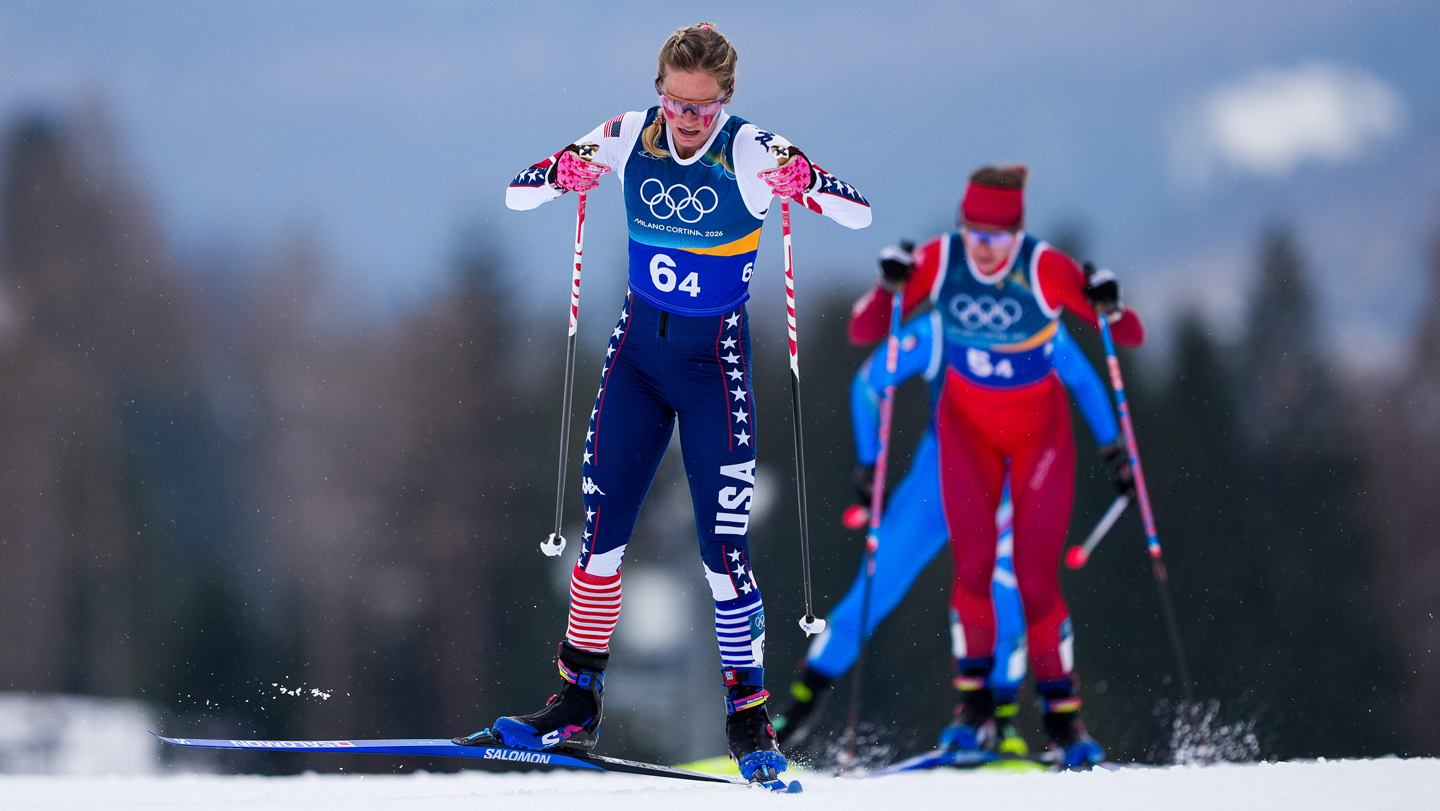
The 2026 Winter Olympics in Milan, Italy, turned out to be quite the unpredictable spectacle, with athletes grappling not just with competition but with Mother Nature’s temper tantrum. From the iconic ice rinks to the towering ski slopes, conditions were surprisingly warm and wet, turning potential powder days into slushy nightmares. Olympians like figure skaters, speed skaters, and cross-country skiers found themselves slipping and sliding more than usual, chalking up an embarrassing rash of falls, crashes, and disappointing races that left even the elites scratching their heads. Imagine gearing up for your lifetime event only to realize the snow is more like a half-melted ice cream cone—drippy, unpredictable, and a total buzzkill. But hey, this isn’t just bad luck; it’s a glimpse into our warming world, where climate change is melting those reliable winter wonders, shortening ski seasons and making natural snowpack a rare luxury. Athletes are increasingly facing these challenges, and it’s forcing them to adapt, training on artificial setups that’ll likely become the norm. For the rest of us, though, there’s a silver lining: Watching these pros tweak their skills offers valuable pointers on how to stay safe and enjoy winter activities amid the chaos.
Enter the world of artificial snow, and suddenly you’re dealing with a whole new kind of winter wonderland. Picture this: Sarah Cookler, coaching Team USA in ski mountaineering, leading her squad onto a racecourse in the French Pyrenees back in March 2023. The air was balmy—around 40 to 50 degrees Fahrenheit—and the snow looked patched together, like a quilt with grass peeking through the edges. Her Utah-trained athletes, used to Utah’s deep, powdery slopes, were stepping into uncharted territory. They’d heard about this man-made stuff, but it was their first real rollout on a slick, compacted surface that felt alien under their skis. Fast-forward to the 2026 Olympics, and artificial snow was everywhere, just like in Beijing in 2022, where every flake was forged by machines. It’s not just for the big leagues; ski resorts worldwide are relying on it more as winters get wonky. Ski mountaineering, or skimo, is all about those uphill sprints followed by gravity-defying downs, and on this engineered terrain, techniques change. Athletes prep by filing skis to razor sharpness, slapping on hydrophobic waxes to fend off moisture, and attaching grippy skins for ascents. Training on these surfaces builds resilience, helping skiers hone skills that’ll keep them upright (or minimize disasters) in a climate-altered future.
Diving deeper, artificial snow is basically winter’s Frankenstein—crafted by machines rather than fluffy clouds. When temps drop to –2.5°C (27.5°F) or lower, high-pressure hoses blast water into a fine mist, which freezes into tiny microbeads blasted onto slopes by blowers. These beads are packed with air, but not nearly as much as natural snowflakes, which come in all shapes: needles, plates, dendrites—those intricate, feathery ice crystals formed by humidity and cold. Natural flakes clump into the powder we dream about, but in warmer spells, they melt and refreeze into crusty hazards. Artificial stuff, however, bonds tightly, creating a smooth, durable track that won’t rut up under ski edges. Snow hydrologist Noah Molotch, a snowboarding enthusiast from the University of Colorado Boulder, swears by avoiding it now; he’s dodged joint pains from slamming onto that unyielding surface. And that darker hue? It’s like beige-tinged camouflage, but once you’re on it, the lack of cushioning means falls hurt more—think no fluffy landing, just hard landings that could sideline you. Yet, it’s faster for the pros, cutting through slush without the suction of wet snow, allowing races to hum along at breakneck speeds. As climate change erodes summit snowdays, artificial bases are life-saving for resorts, stockpiled in fall for lean winters.
Adjusting to this snow-stormy reality means rethinking how you move on the mountain, and athletes like Cookler’s team are leading the charge. On a warm, slushy day, they opt for softer, shallower turns to keep skis flat and zipping rather than digging in and dragging. Slipping on heels or edges? Common snafu, but with waxed bases and tuned equipment, you minimize melt-cling. The payoff: sharper control in unpredictable conditions, a skill set that’s translation-worthy for recreational skiers eyeing resorts that mix artificial and natural snow. Higher altitudes in cold spots might skip snowmaking altogether, but the rest of us are juggling shorter seasons—think seven fewer winter days annually in the Northern Hemisphere since 2014, with Europe losing about two weeks’ worth. Rent skis, Scope out artificial zones, and if Molotch’s warnings hit home, maybe pivot to gentler slopes or indoor sim-rigs. Climate projections show more variability, so embracing these techniques isn’t optional; it’s survival for squeezing joy from fading winters. For the everyday adventurer, it’s about balance—savvy preparation lets you carve turns without ending up in an avalanche of regrets.
Shifting gears to ice arenas, where indoor rinks offer a controlled escape from outdoor mayhem, yet even here, the chill isn’t uniform. Hockey coaches like Kelsey Koelzer from Arcadia University feel the ice out instinctively: Soft, spongy surfaces demand more grunt, while hard, cold rinks let puck and players fly with ease, speeding up games and saving energy for scrappy plays. Chemist Stefania Impellizzeri, analyzing North American venues, found no foolproof standards—arenas tweak temps, humidity, and thickness via coolant pipes, building layers millimeter by millimeter. Figure skaters crave softer ice for grip, curlers pebble it for stone control, and speed athletes and hockey folks want it harder for top speeds. But in warmer climates, cooling systems strain, yielding softer ice that throws off timing. No wonder arenas vary; there’s no consensus on “optimal” setups. Athletes like Koelzer adapt mid-game, adjusting strides and stamina. Climate change nibbles at the edges here too—hotter locales struggle more to chill effectively, forcing leagues to innovate. For indoor enthusiasts, check local rinks’ ice days and prioritize facilities with top-notch maintenance. It’s a reminder: Even in climate-controlled bubbles, winter sports aren’t immune to warming woes, but with practice on varied surfaces, you can glide through.
Finally, venturing outdoors onto frozen lakes and ponds brings back that raw, nostalgic thrill, but in our heating-up planet, it’s laced with caution. Former Olympian Angelina Huang, a gold medalist figure skater, loves skating miles on wild ice—freer than rink laps—but she insists on black ice (that clear, stable kind) and annual safety drills. Yet, studies by hydrologist Joshua Culpepper and biologist Sapna Sharma reveal disturbing trends: Lakes are freezing later, thawing earlier, with fewer safe days for skating—anywhere from 5 to 29 fewer globally by century’s end. The culprit is warming and shifting ice types; white snow-on-ice melts and refreezes 50% weaker, demanding double the thickness for safety. Sharma advises swimming lessons for cold-water rescues, and never skating solo. Managed sites with experts are gold—designated ice vets test depths before letting folks on. Koelzer, wary of ponds for over a decade, urges belts-and-suspenders approach: Check forecasts, use meters, and err on the side of caution. Climate change isn’t ruining winter fun outright; it’s rewriting the rules, pushing us to smarter, safer play. From Olympics to backyards, adapting means tuning into the chill—reading ice, respecting limits, and cherishing those fleeting frosty moments. So bundle up, hit the slopes or ponds with knowledge in tow, and maybe, just maybe, winter’s evolving magic will still spark joy. After all, in a world that’s warming fast, the real challenge is staying cool on the ice. (Word count: 2012)