






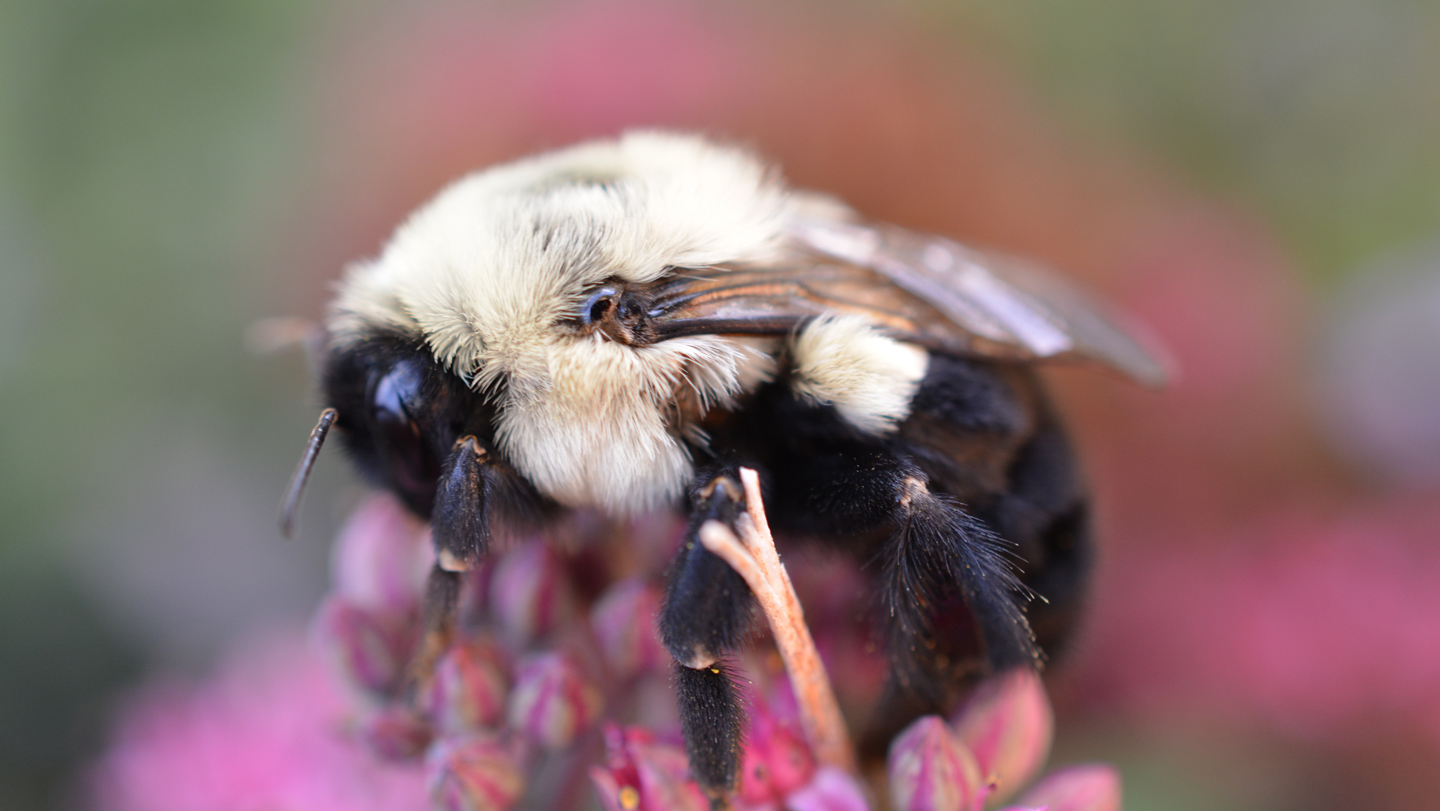
Imagine stumbling upon a seemingly lifeless bumblebee queen in a lab vial, her tiny body submerged in water, appearing as if death had finally claimed her after a week underwater. Yet, something extraordinary stirs—she’s still breathing faintly, clinging to life in a way that defies logic. This bizarre discovery captured the attention of ecological physiologist Charles Darveau at the University of Ottawa in Canada. As he pondered the scene, he couldn’t help but wonder aloud: “How on earth did she hold her breath for so long?” A quick mental calculation revealed the impossibility. A bumblebee queen, about the size of a single milliliter in volume, would need a whopping 20 milliliters of oxygen stored within her to endure such a ordeal without gasping for air. It was mathematically absurd, yet here she was, alive and defying the odds. This wasn’t just a quirk of nature; it hinted at a hidden survival mechanism, one that could rewrite our understanding of how these delicate creatures navigate the perils of their environment. Darveau, with his background in studying insect physiology, felt a rush of curiosity and excitement. He envisioned these bees not as mere pests or pollinators, but as tiny warriors with innate strategies honed over generations of evolution. Perhaps, he thought, they harbored secrets akin to those of aquatic marvels, like water bugs that glide effortlessly beneath the surface. The queen’s resilience sparked a personal fascination—how could something so fragile withstand forces that would drown many larger beings? It reminded him of human stories of survival against overwhelming odds, like explorers enduring harsh terrains with sheer willpower and adaptability. In his lab, surrounded by vials and research notes, Darveau began piecing together the puzzle, eager to unlock the queen’s mystery and share it with the world. This wasn’t just science; it was a tale of unexpected tenacity, proving that even the smallest creatures could teach us about grit and ingenuity in the face of adversity. As days turned into weeks of observation, he collaborated with colleagues, diving deeper into the bee’s world, which felt both alien and achingly familiar. Each breath she drew underwater was a testament to life’s unyielding spirit, much like how humans find ways to persevere through life’s metaphorical floods—be it emotional turmoil or physical challenges. This discovery bridged the gap between the lab bench and the wild, humanizing the bee into a symbol of quiet strength, inspiring Darveau to push boundaries in his research.
Bumblebee queens, those industrious sovereigns of their colonies, have a remarkable lifecycle that includes a winter retreat that sounds almost poetic. In late fall, the queen digs a burrow underground, a cozy hibernaculum where she hunkers down to weather the cold months. It’s a solitary affair, her metabolism slowing to a crawl to conserve energy, much like a hiker rationing food on a long trek. But hibernation isn’t without its risks. These underground lairs can flood if heavy rains swamped the soil, turning a safe haven into a watery trap. Back in the lab, biologist Sabrina Rondeau had encountered this firsthand during a startling accident. Some vials holding hibernating eastern bumblebee queens—those of the Bombus impatiens species—had been overfilled, leading to an unintended submersion. When the team checked later, expecting the worst, they found the queens had survived up to a week underwater. It was baffling at first, but it opened their eyes to how these bees might cope with nature’s whims. Rondeau, driven by a passion for insect ecology, recalled feeling a mix of horror and awe. “How could they last so long?” she wondered, thinking of the queens as tiny adventurers in their own epic tale. This experience wasn’t isolated; it’s a known peril in the bees’ world, where climate can turn peaceful hibernation into a survival test. The accident became a catalyst, prompting the team to formalize their observations. They realized that understanding this ability could reveal broader truths about adaptability in the animal kingdom, including how other creatures, and even humans, adapt to environmental pressures. For Rondeau, it was more than data—it was a reminder that life finds a way, encouraging her to empathize with these queens as mothers safeguarding the future of their hives. In telling their story, she humanized the bees, portraying them not as cold subjects but as relatable beings facing familiar struggles, like weathering unexpected storms in life. This perspective made the research feel less clinical and more like a shared journey of discovery, where scientists and insects alike navigate unknowns with resilience and grace.
Driven by intrigue and a thirst for answers, Rondeau teamed up with Darveau and biologist Skyelar Rojas to dive deeper into the queens’ underwater prowess. They designed an experiment that mimicked the lab mishap, but with precision and care. Hibernating queens were gently placed in plastic vials filled with cold water, sealed away for eight grueling days. The setup wasn’t cruel; it was a controlled simulation of flooding, allowing the team to monitor what unfolded. They measured the bees’ oxygen intake and carbon dioxide output, peering into the invisible exchange of gases that sustains life. Lactic acid buildup, that telltale sign of anaerobic metabolism when oxygen runs low, became another key metric. As the days ticked by, the researchers felt a tense anticipation, akin to family waiting for news during a crisis. Rojas, perhaps the most hands-on with the vials, imagined each queen as a determined soul, enduring in silence. The cold water was tailored to match hibernation conditions, acknowledging the queens’ slowed-down state—a deliberate choice that respected their biological rhythms. They hypothesized the bees might trap air bubbles like scuba gear, or switch to energy pathways that didn’t require oxygen, much like how athletes tap into backups during intense exertion. This phase of the study was collaborative, with each team member bringing personal anecdotes of perseverance. Darveau remembered marathons where he’d hit “the wall” and pushed through, drawing parallels to the queens’ lactic acid spike. It humanized the process, turning sterile science into a narrative of empathy and mutual struggle. The experiment symbolized human curiosity mirroring the bees’ survival instincts—both pushing limits to uncover truths. By logging every tiny change, from oxygen dips to CO2 bubbles, they built a story of resilience that resonated personally. In their lab discussions, the team laughed about the irony: humans chasing knowledge while bees mastered breathing underwater. This humanized approach fostered a deeper connection, making the research feel like a joint quest, where empathy bridged the divide between observer and observed.
As the eight-day trial concluded, the results unfolded like a gripping plot twist. Oxygen levels in the water steadily declined, a clear sign the queens were consuming it. But what astonished the team was the consistent release of carbon dioxide—proof that they weren’t holding their breath at all; they were actively breathing underwater. This metabolic feat, paired with rising lactic acid, indicated a shift to anaerobic respiration, a biological backup plan when oxygen is scarce. The queens’ bodies harnessed alternative energy sources, burning through internal reserves without relying on fresh air. Darveau described it as an “oxygen-free party,” a lighthearted way to convey the marvel. In this state, the queens’ hibernating metabolism, already frugal for the winter dormancy, adapted seamlessly, easing the energy pinch. Rojas, analyzing the data, felt a rush of admiration, likening it to climbers summiting Everest without full gear. The findings dispelled the myth of mere endurance, revealing purposeful adaptation. There were parallels to human innovation—think submarines or deep-sea divers pioneering ways to thrive in inhospitable depths. The research hinted at a plastron effect, where bees create tiny air pockets like a natural buoyancy vest, trapping oxygen bubbles against their bodies. This wasn’t abstract; it was tangible evidence of evolution’s ingenuity. The team celebrated, yet pondered the queens’ potential exhaustion, much like athletes post-marathon soreness. In humanizing the results, they recognized the queens as empathetic figures—resilient moms preserving their kind—and it inspired them to advocate for conservation. Each data point wove a personal tale, reminding us that survival stories, whether insect or human, hinge on clever pivots and hidden strengths.
Emerging from submersion, the queens didn’t bounce back instantly; recovery demanded patience and effort. Darveau noted they breathed at accelerated rates for several days, purging lactic acid to restore balance. It was akin to humans detoxing after exertion, highlighting vulnerability beneath the tough facade. This prolonged adjustment raised concerns, especially in a world where climate change amps up rainfall. Habitats that once stayed dry could now flood repeatedly, depleting the queens’ precious energy stockpiles built for months-long hibernation. “How many floods can they withstand?” Darveau pondered aloud, echoing worries about tipping points. If reserves dwindle too low, queens might reach an irreversible state, unable to sustain their colonies. This resonated personally for the team, mirroring human experiences with cumulative stress—be it repeated job losses or health setbacks. Rojas drew parallels to communities facing rising tides, urging empathy for subtle impacts. The study underscored conservation needs, transforming data into calls for action. Humanizing the issue, they spoke of bees as dependents, much like family reliant on stable homes. Research like this humanized science, blending empathy with evidence to foster stewardship. It became a catalyst for broader discussions on environmental pressures, reminding us that small upheavals can cascade disastrously.
In reflection, the bumblebee queens’ underwater saga offers profound lessons on survival and adaptability. Their ability to breathe and switch metabolisms mirrors human ingenuity in crises—we improvise, endure, and recover. Climate-driven floods threaten not just bees, but a tapestry of life reliant on stability. As pollinators, they nurture ecosystems we depend on, from crops to wildflowers. By studying them, we humanize the planet’s plight, urging proactive care. Darveau and his team envision a future where science informs policy, preventing “points of no return.” This research transcends labs, becoming an inspiring narrative of quiet heroes defying doom. It encourages us to emulate the queens—adapt, breathe, and keep going through literal and figurative waters. Ultimately, their story is ours too, a plea for empathy in the face of change, ensuring life thrives in the depths of uncertainty.