






The Surprising Genetic Accident That Gave Spiders Their Silk-Spinning Ability
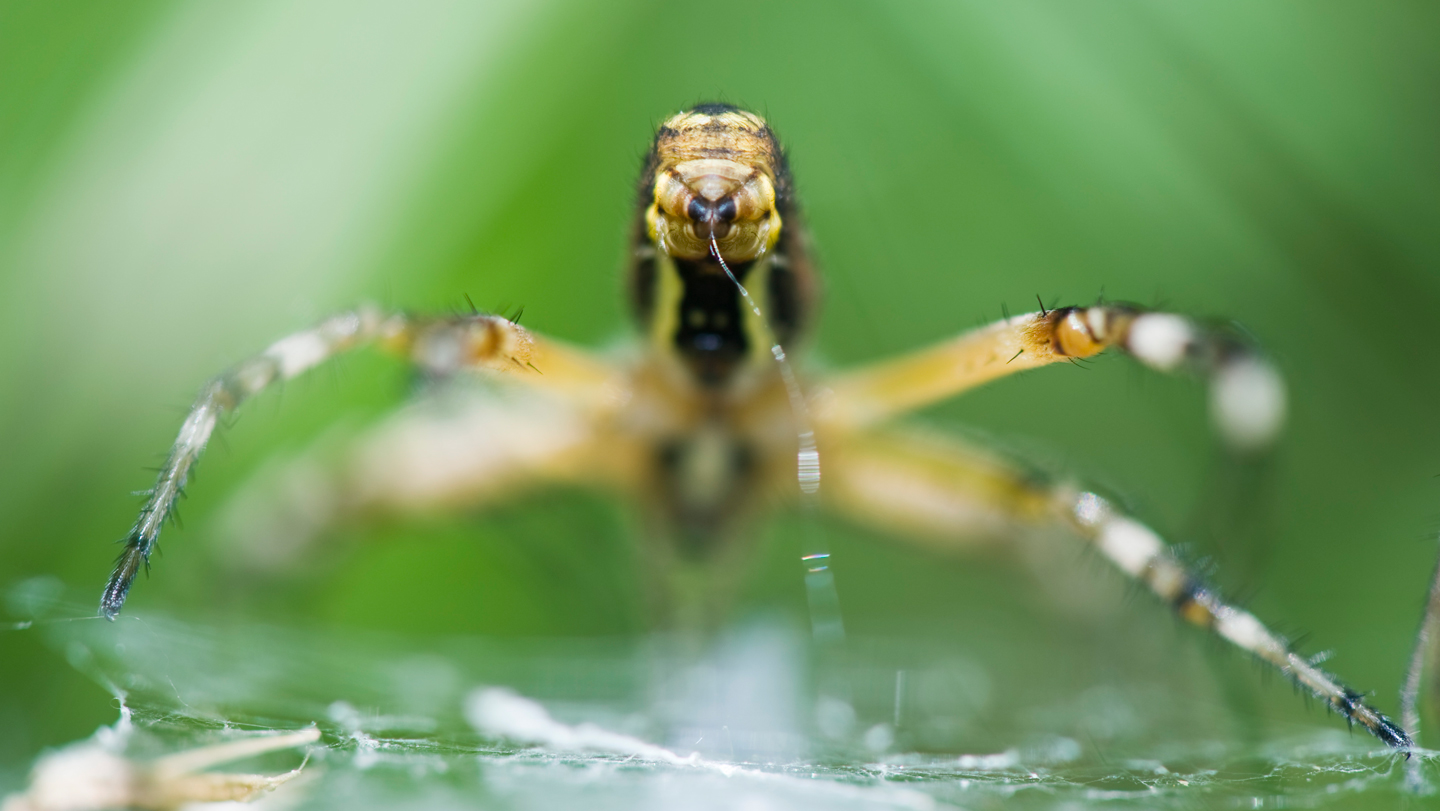
A fascinating genetic discovery suggests that spiders’ remarkable ability to spin intricate webs may have resulted from what scientists are calling a massive genetic mistake. According to research published in the journal Science Advances, an ancient arachnid ancestor experienced a complete doubling of its entire genome approximately 400 million years ago. This rare genetic event, in which all DNA was duplicated, appears to have set the stage for one of nature’s most impressive adaptations: the spider’s spinnerets, the specialized organs responsible for producing silk.
The mystery of how spinnerets evolved has long puzzled evolutionary biologists. A research team led by Shuqiang Li, an evolutionary developmental biologist at Anhui Normal University in China, conducted an extensive analysis of the complete genomes of two spider species and a whip scorpion (a related arachnid with a thin tail). By comparing these genetic blueprints with those of other arachnid groups, they uncovered compelling evidence of this ancient whole-genome duplication event. The timing coincides with critical evolutionary developments in the arachnid lineage that eventually gave rise to spiders, scorpions, and their relatives.
Of particular significance was the discovery of duplicate copies of a gene called abdominal-A. Through a series of sophisticated genetic and developmental experiments on spider embryos, the researchers determined that this gene pair plays a crucial role in transforming what would have been primitive limbs into functional spinnerets. When they inactivated these genes, the embryos failed to develop spinnerets. The researchers suggest that following the genome duplication, each copy of the gene evolved specialized functions that, when working together, enabled the formation of these silk-producing organs. This represents a remarkable example of how genetic accidents can lead to evolutionary innovations when duplicated genes take on new roles rather than remaining redundant.
Some scientists, while impressed with the genomic analysis, remain cautious about the conclusions. Prashant Sharma, an invertebrate biologist at the University of Wisconsin–Madison, notes that the study hasn’t completely ruled out alternative explanations for the origins of spinnerets. He points out that other arthropods such as sea spiders and mites lack the abdominal-A gene and have notably shortened bodies with missing rear segments. This suggests the possibility that these genes might control the development of entire rear body segments rather than specifically directing the formation of spinnerets. From this perspective, the researchers may have instead discovered a genetic pathway that could produce body plans similar to those of sea spiders or mites.
Whole genome duplication, while common in plant evolution, occurs relatively rarely in animals. When it does happen, it creates an enormous increase in genetic material that provides new opportunities for evolutionary innovation through novel gene interactions. The process has been associated with major evolutionary leaps throughout history, including the diversification of vertebrate body plans after similar duplication events in our distant ancestors. The discovery of this mechanism in spider evolution adds to growing evidence that whole genome duplications have played pivotal roles in generating animal diversity across multiple lineages.
This research highlights how seemingly catastrophic genetic accidents can sometimes lead to remarkable evolutionary innovations. As Li describes it, “This powerful evolutionary mechanism is a recurring theme in generating animal diversity.” The ability to produce silk—used for webs, egg sacs, draglines, and more—has made spiders extraordinarily successful, with over 50,000 known species occupying virtually every terrestrial habitat on Earth. All from what might have initially appeared to be a massive genetic mistake.