






Vaccines Emerge as a Crucial Tool to Protect Endangered Wildlife
In a groundbreaking conservation effort, scientists are increasingly turning to vaccines to protect vulnerable wildlife populations from devastating diseases. This approach gained urgent relevance in 2024 when a deadly strain of avian influenza H5N1 reached the remote Crozet Islands in the sub-Antarctic. While southern elephant seal pups were among the first casualties, some king penguin chicks had a potential advantage – they had received flu shots as part of an experimental vaccine trial. Disease ecologist Thierry Boulinier and his team from France’s Centre d’Ecologie Fonctionnelle et Evolutive had initiated the trial in response to the global H5N1 outbreaks that had already swept across the planet, killing various birds and mammals including bald eagles and red foxes.
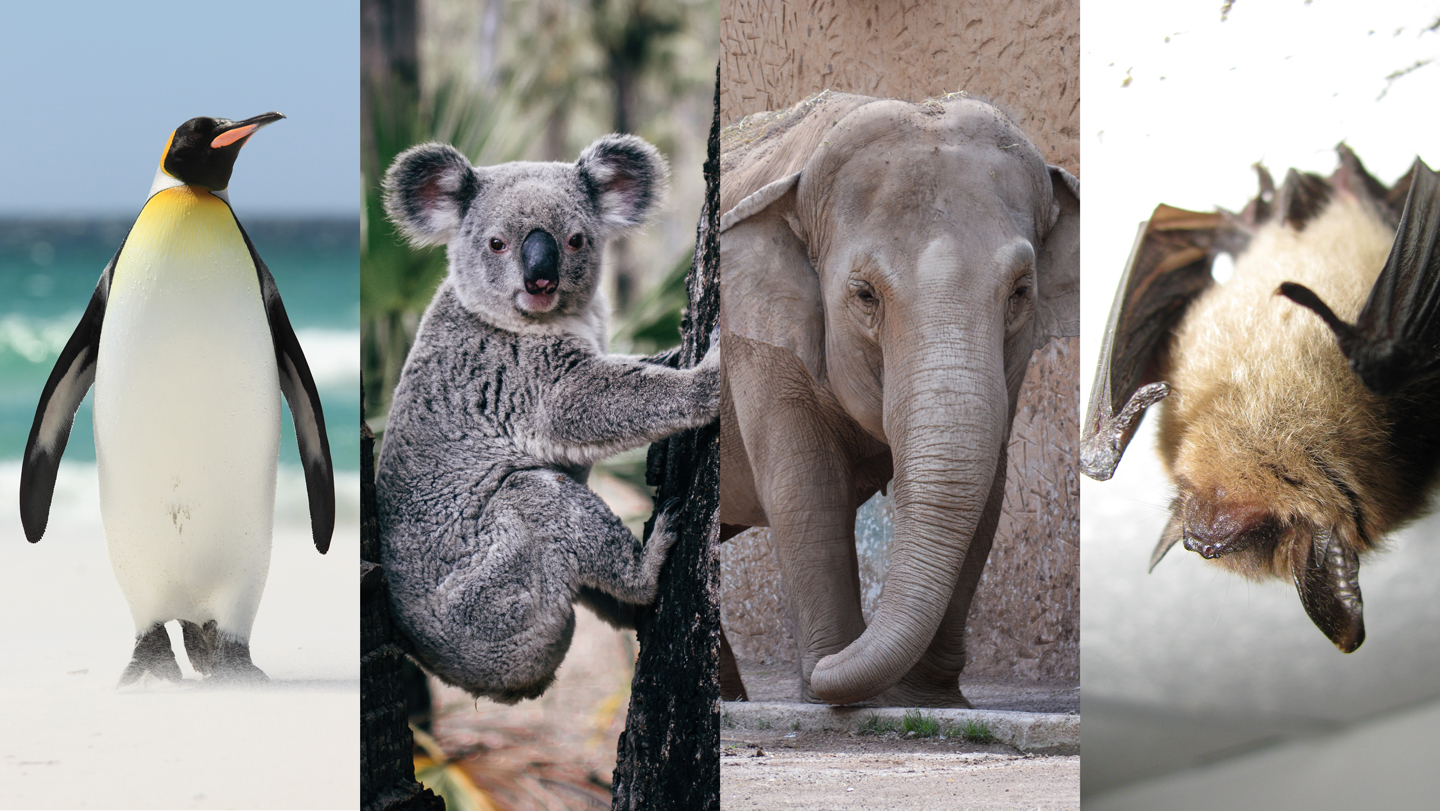
Wildlife vaccination represents an emerging frontier in conservation biology, addressing a growing crisis as habitats shrink and animals interact more frequently, creating new pathways for pathogens to spread. “Their environment has changed, as has ours,” explains Tonie Rocke, a wildlife biologist with the USGS National Wildlife Health Center, “and there are diseases moving all over the world at a pace that wouldn’t have happened in the past.” Beyond the penguin flu shots, researchers have made significant progress with other wildlife vaccines: Australian officials recently approved a vaccine against chlamydia for endangered koalas, zoos are testing shots against a deadly herpesvirus in elephants, and scientists are vaccinating bats in the western United States against white-nose syndrome, a fungal disease that has decimated bat populations nationwide.
The early results from the king penguin trial are promising. In February 2024, researchers vaccinated 30 king penguin chicks with a follow-up booster a month later. Their findings, published on bioRxiv.org and forthcoming in Nature Communications, demonstrate that the immunized penguins developed immune responses without dangerous side effects. While none of the vaccinated chicks became infected during the outbreak, making it impossible to confirm the vaccine’s protective efficacy, the team is planning new trials to test single doses and determine how long immune protection lasts. The king penguins join other vulnerable species like California condors and New Zealand’s kākāpōs that have shown immune responses to bird flu vaccines in small trials. Marine mammals including northern elephant seals and endangered Hawaiian monk seals have also mounted promising immune responses to similar vaccines.
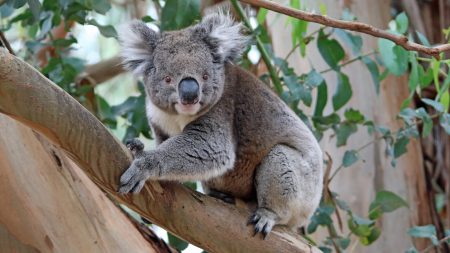
For Australia’s endangered koalas, a recently approved chlamydia vaccine represents a milestone after a decade of development. The bacterial infection, which causes blindness and infertility, compounds the numerous threats koalas already face from habitat loss and climate change. While antibiotics might seem like an obvious treatment, they present a unique danger to koalas by killing beneficial gut bacteria that help detoxify the eucalyptus leaves they depend on. “They became weak and that’s, unfortunately, pretty much a death sentence,” explains molecular biologist Nina Pollak of the University of the Sunshine Coast. The new vaccine reduced koala mortality by 64 percent in trials, though practical challenges remain in vaccinating wild populations that live in difficult terrain. Despite limitations in distribution and efficacy, Pollak believes the vaccine gives koalas a better chance of survival during these challenging times.
Asian elephants may soon benefit from another promising vaccine breakthrough targeting elephant endotheliotropic herpesvirus (EEHV), the leading cause of death in young Asian elephants in captivity. The virus kills 60-85 percent of animals that develop the resulting hemorrhagic disease. A notable success occurred at the Cincinnati Zoo, where two vaccinated Asian elephants contracted the virus but developed only mild infections requiring no treatment. Nearly all Asian and African elephants carry some form of EEHV, with young Asian elephants between 2 and 8 years old being particularly vulnerable once maternal antibodies fade. While researchers continue to monitor vaccinated elephants and expand trials to include calves, the ultimate goal is to help preserve this endangered species both in captivity and in the wild, according to virologist Paul Ling from Baylor College of Medicine, whose lab developed one of the vaccines being tested.
Perhaps most remarkable is the success scientists have achieved against white-nose syndrome, a fungal disease that has killed millions of bats across North America since 2006. Northern long-eared bats now face extinction due to this pathogen, which grows on their skin and disrupts hibernation, causing the bats to burn crucial winter energy reserves. “The fact that we were able to actually develop a vaccine against a fungal disease is pretty remarkable,” says Rocke. “There aren’t even any approved for humans at this point.” After initial trials showed vaccinated little brown bats were less likely to develop skin lesions or die, researchers have vaccinated more than 5,000 wild bats of various species, including endangered northern long-eared bats. While eastern and midwestern bat populations are developing some natural resistance, smaller western bat populations remain highly vulnerable. The field trials suggest the vaccine can protect wild bats, offering hope for species on the brink of extinction. As Rocke concludes, “Sometimes these kinds of interventions are really necessary if we’re going to conserve a species. There’s good conservation reasons for vaccinating animals, and we wouldn’t do it if it would harm them more.”