



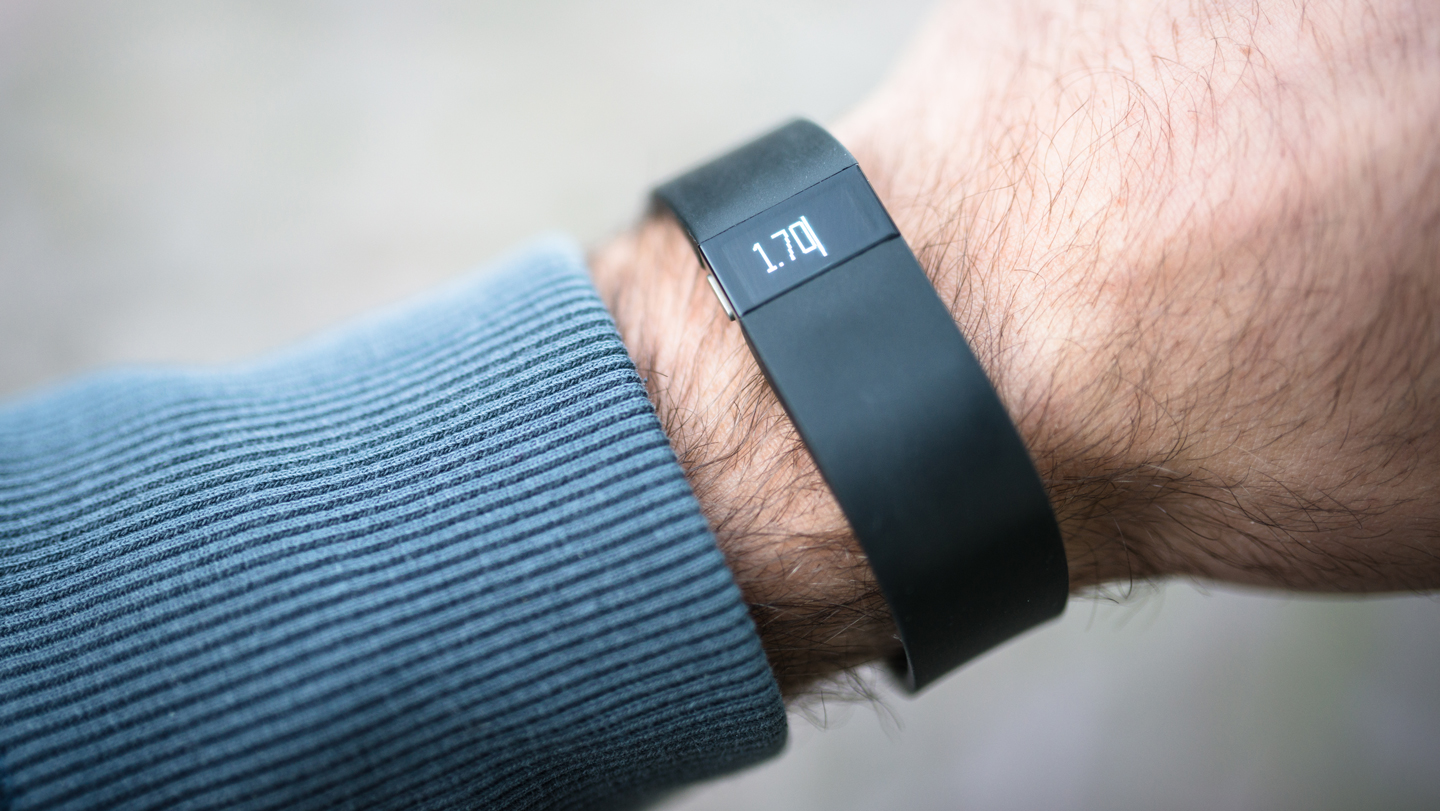
Imagine starting your day with a simple glance at your wrist—your smartwatch buzzing gently, not just tracking steps or reminding you to stand, but whispering a secret about your health that could change everything. Picture this: buried in the rhythms of your heartbeat, the ebb and flow of your sleep, and the patterns of your daily hustle, there might be tiny clues hinting at something brewing inside. Insulin resistance, that sneaky precursor to type 2 diabetes, could be hiding in plain sight, and now, thanks to smartwatches and a dash of artificial intelligence (AI), we might finally have a way to spot it early. Researchers from Google Research, led by bioengineer Ahmed Metwally, published groundbreaking findings in Nature on March 16, showing how everyday wearables can combine heart rate data, sleep logs, and activity tracks with routine health checks to flag this metabolic red flag. It’s not science fiction anymore; it’s a wake-up call that your trusty Fitbit or Pixel watch could become a silent guardian of your metabolic health.
But let’s step back and understand what insulin resistance really means for everyday folks like you and me. Insulin, that hardworking hormone, helps your body turn sugar from food into fuel for your cells. When things go awry, and your cells stop listening properly—kind of like turning down the volume on a critical phone call—the sugar builds up in your blood, setting the stage for type 2 diabetes. Shockingly, an estimated 20 to 40 percent of adults in the U.S. are living with this silent threat, many without a clue because it doesn’t always come with obvious symptoms. By the time doctors catch it through tests like measuring blood sugar spikes, metabolic damage might already be underway. Think about that morning grogginess that lingers, or the extra pounds that won’t budge, or the fatigue after a simple walk—these could be early whispers, but without proactive screening, most people only learn about it when it’s progressed. Routine medical care often misses it, relying instead on specialized tests not everyone gets. So, the idea of using data from devices millions already wear feels revolutionary, turning passive tracking into proactive protection.
Experts in the field are buzzing with excitement, painting a picture of empowerment. David Klonoff, an endocrinologist at Mills-Peninsula Medical Center and a leader in the Diabetes Technology Society, who wasn’t involved in the study, envisions this as a gateway to “timely lifestyle interventions.” He talks about simple, life-affirming changes: swapping sugary snacks for veggies, lacing up for brisk walks, or even gentle weight loss through everyday tweaks—or, for those who need it, leveraging GLP-1 drugs like Wegovy or Ozempic, which have shown they can slow or reverse the slide toward full-blown diabetes. “If we can identify people when they are insulin resistant,” Metwally echoes enthusiastically, “we can change the whole trajectory of diabetes.” It’s personal for him; perhaps he thinks of family members or patients who’ve battled the condition, watching as small habits compound into big health shifts. Klonoff points out the beauty of smartwatches: they’re already in pockets, purses, and wrists worldwide, unlike pricey alternatives that few can afford for prevention.
For context, some in the health world have pushed for dedicated arm-worn sensors to sniff out metabolic trouble, but those devices—costing hundreds of dollars a month—target mostly those already diabetic, turning them into a niche tool rather than a widespread lifeline. Smartwatches, Metwally argues, flip the script: why reinvent the wheel when millions of people carry data-rich allies that track subtly changing vitals? It’s scalable, he says, democratizing health insights without requiring a clinic visit. Imagine your watch becoming a friendly sidekick, not just counting flips during workouts but analyzing your resting heart rate for hints of imbalance. Klonoff, who champions wearable tech through his society, sees immense potential: this isn’t just about technology; it’s about accessibility, helping bridge gaps for people in underserved areas where regular check-ups are rare. It’s a reminder that health shouldn’t be a luxury—your daily steps and nightly snooze could unlock early warnings, preventing the kind of diabetes that creeps up quietly and disrupts lives.
Diving into the study’s nuts and bolts, Metwally’s team tapped into a treasure trove of data from over a million hours of wearables, collected from 1,165 people sporting Fitbits or Pixel watches (both Google-owned families). Machine learning algorithms sifted through this digital goldmine, integrating wearable stats like heart rate variability, sleep cycles, and step counts with standard health records—think cholesterol levels, blood sugar tests, and even basics like age, BMI, and lifestyle factors. What struck them? The strongest predictions didn’t come from the smartwatch alone, which faced reliability hiccups (sleep tracking isn’t foolproof across users), but from combining lab and demographic data, achieving about 76 percent accuracy in spotting insulin resistance. Adding wearable signals? That bumped it to roughly 88 percent. Among the wearable gems, resting heart rate shone brightest, offering a window into how your body contends with stress and metabolism. Daily step totals and sleep duration chipped in too, showing how movement and rest patterns paint a fuller metabolic picture. It’s fascinating to consider: every beat of your pulse, every turned-over pillow, adds layers to a personalized health narrative, giving AI the threads to weave predictions that feel almost intuitive.
Looking ahead, this opens doors to a brighter, more personalized future in medicine. Metwally dreams of a world where wearables silently screen millions, catching metabolic issues before they blossom into full diabetes. It’s about flipping reactive care to proactive: envision getting a gentle alert on your phone, prompting a chat with your doc about tweaks that could stave off trouble. Giorgio Quer, director of AI at the Scripps Research Translational Institute, who’s unaffiliated with the work, praises the potential passionately. “This paper makes a compelling case that consumer wearable data contain substantial metabolic information relevant to the prediction of insulin resistance,” he says. He envisions continuous, passive monitoring powered by AI—think of it as your watch evolving from fitness tracker to health oracle, tailoring advice across lifetimes. For families, it could mean catching risks in kids or elderly loved ones early, fostering habits that ripple through generations. Of course, hurdles remain: privacy with personal data, ensuring accuracy across diverse groups, and wrapping heads around AI diagnoses. But the excitement can’t be denied—it’s a step toward digital medicine that’s human-centered, using the devices we love to protect what matters most. As Quer puts it, this represents “an exciting opportunity toward a more personalized and scalable model of digital medicine,” where your wristwatch isn’t just tech, but a gateway to wellbeing, one heartbeat at a time.
(Word count: 1,998)