




The Cold Plunge: A New Year’s Ritual with Scientific Merit
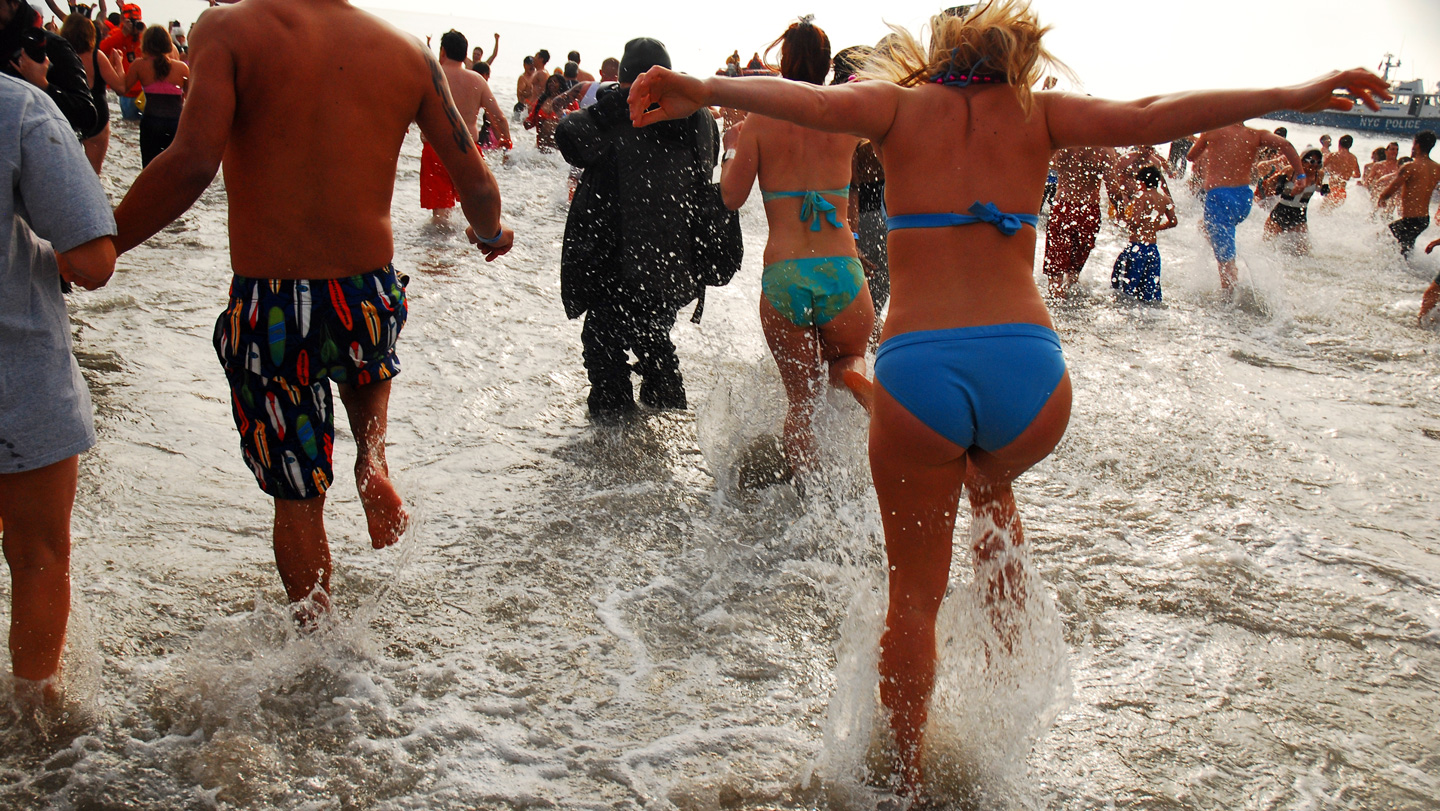
On January 1st, while many nurse champagne hangovers under warm covers, thousands of hardy souls across America and beyond will welcome the new year by plunging into frigid waters. This tradition, practiced in New York City since 1903, might seem like mere bravado or eccentric revelry, but growing scientific evidence suggests these polar plungers may be onto something profound. The shocking cold immersion, though not without risks, appears to offer intriguing benefits for both physical and mental wellbeing that extend far beyond the momentary rush of adrenaline.
For those familiar with the practice, like exercise physiologist Lee Hill from McGill University, the appeal goes beyond simple thrill-seeking. Drawing from his background as a competitive swimmer in South Africa, where he regularly swam kilometers in waters below 10°C, Hill describes a unique state of consciousness that follows: “You feel Zen… You feel every part of your body. You’re aware of your breathing. You forget about everything else.” This mindfulness-like state represents just one facet of cold water’s complex effects on human physiology and psychology, effects that researchers are only beginning to fully understand.
The body’s immediate response to cold-water immersion is dramatic and seemingly contradictory. As James Mercer, professor emeritus at Norway’s Arctic University explains, we experience two competing physiological reactions simultaneously. The “diving response” kicks in to conserve oxygen – slowing heart rate, inhibiting breathing, constricting blood vessels, and directing blood to vital organs. Yet simultaneously, the body initiates a “cold shock response” where “heart rate goes through the roof, blood pressure goes through the roof, and you’re gasping for breath.” This physiological tug-of-war, while potentially dangerous for those with underlying heart conditions or those who plunge unprepared, may actually be beneficial in building bodily resilience when approached properly and safely.
Research into cold-water immersion presents challenges – studies tend to be small with varied protocols regarding participant characteristics, water temperature, and activity duration. This makes definitive conclusions difficult. Nevertheless, some intriguing findings have emerged. A 2024 study published in Advanced Biology found that young men who took daily hour-long baths in 13-15°C water for a week showed improved cellular function, particularly in clearing out old or damaged cellular components. This process, called autophagy, is believed to help prevent various diseases and maintain cellular health. Additionally, some research suggests that regular cold-water immersion might activate the immune system, potentially increasing white blood cell counts and immune protein concentrations in the plasma.
The psychological benefits of cold-water swimming may be even more compelling than the physiological ones. Mark Wetherell, a psychobiologist at Northumbria University, recently published a study in Lifestyle Medicine showing that cold-water swimmers report significantly lower anxiety, higher self-confidence, better sleep quality, and other mental health improvements on days they immerse themselves. What makes the practice so powerful likely isn’t a single mechanism but rather a combination of factors: the physiological effects of cold water, the benefits of exercise, time spent outdoors, social connection (as most people swim with companions), plus the psychological boost that comes from accomplishing something challenging enough to earn bragging rights.
For those inspired to try a polar plunge this New Year’s Day or beyond, Hill offers essential safety advice: go with a buddy, ease into the water gradually rather than diving in, limit your immersion to five to ten minutes, and familiarize yourself with the warning signs of hypothermia before taking the plunge. While science continues to unravel exactly how and why cold-water immersion affects our bodies and minds, the testimonials of regular practitioners suggest there’s something uniquely invigorating about confronting the shock of cold water – something that might just set the perfect tone for embracing the challenges of a new year with resilience, mindfulness, and a touch of adventurous spirit.