





The Dawn of a New Space Era: NASA’s Ambitious Dreams Take Flight
Humanity has always gazed at the stars with a mix of wonder and ambition, dreaming of worlds beyond our own. Today, under the leadership of NASA Administrator Jared Isaacman, that dream is being reignited with bold plans that could redefine our place in the cosmos. Announced on March 24, 2024, during a live event called “Ignition,” NASA unveiled a roadmap to establish humanity’s first permanent moon base and launch the world’s first nuclear-propelled interplanetary spacecraft. This isn’t just about scientific milestones; it’s about rekindling the belief that hard work and innovation can lead to world-changing achievements. Over the next seven years, NASA aims to deploy dozens of robotic missions to the moon, investing an estimated $20 billion in a quest that’s equal parts thrilling and daunting. These efforts include building sustainable infrastructure on the lunar surface and pioneering nuclear technology for deeper space exploration.
Yet, amidst this excitement, there’s a palpable tension in the air. NASA’s ambitions come at a time of significant challenges, stemming from proposed budget cuts under the previous administration. Last May, a plan to halve NASA’s science funding for fiscal year 2026 was floated, though Congress ultimately pushed back. Now, with the fiscal year 2027 budget request on the horizon, uncertainty looms large. Compounding this, the agency suffered its biggest workforce loss in a single year last year, as broader government downsizing efforts stripped away talent and expertise. Surveys from the Partnership for Public Service reveal that about 38% of remaining NASA employees feel their teams are less effective at delivering quality work, and 45% believe they’ve fallen behind on deadlines. Casey Dreier, chief of space policy at the Planetary Society, warns that these hurdles don’t bode well for NASA’s tight timelines. It’s a stark reminder that while dreams can soar, they need solid foundations—financial, human, and structural—to become reality.
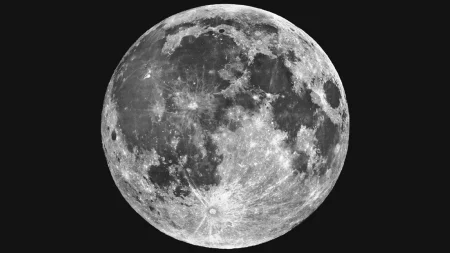
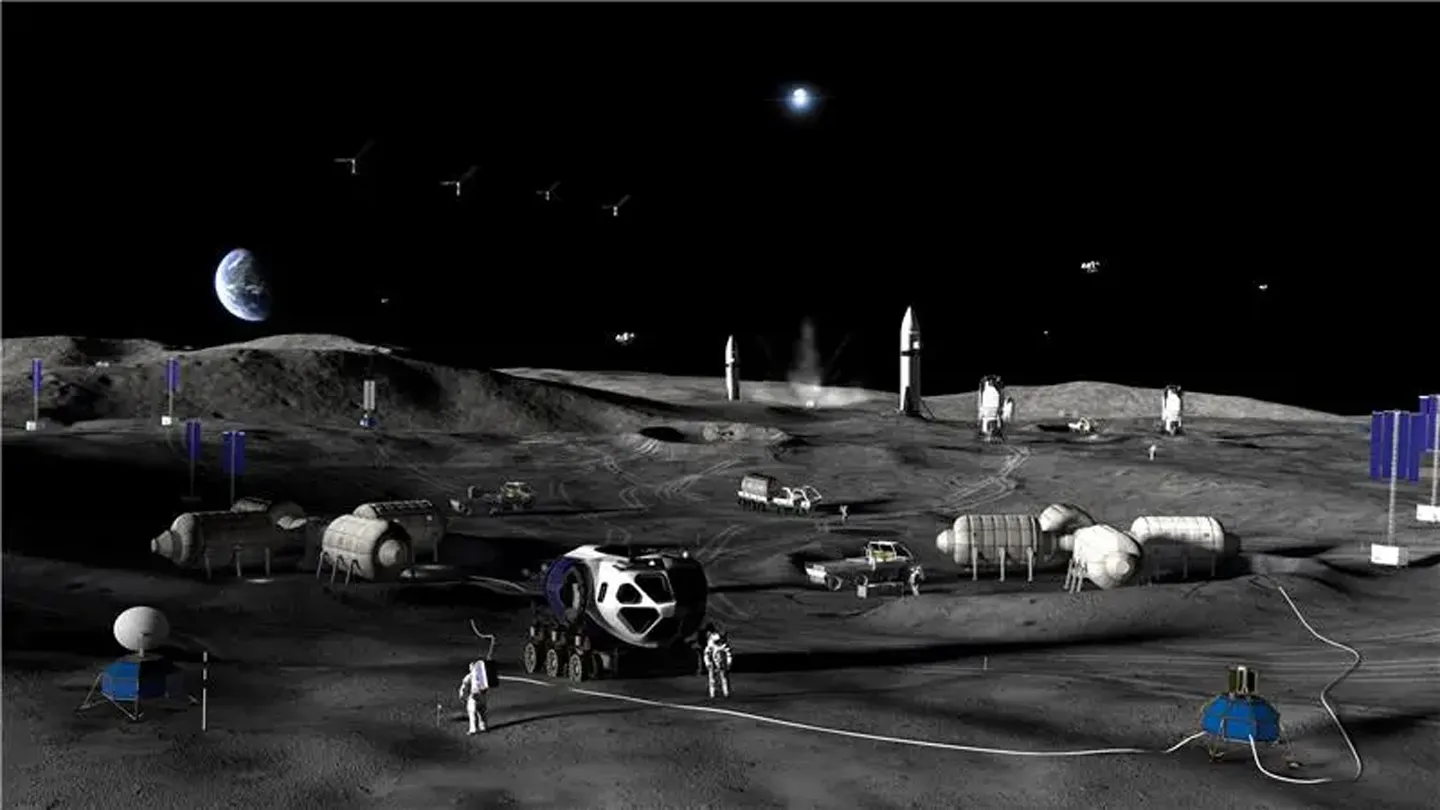
At the heart of these plans is the vision for a permanent lunar outpost, a hub that could serve as a stepping stone to Mars and beyond. By 2030, NASA envisages basic infrastructure in place near the moon’s south pole, including power systems, surface communication networks, vehicles, and even preparatory surface work. This would pave the way for semi-permanent and eventually full-time crew presence. To make this happen, the agency is shifting focus from its original Lunar Gateway space station concept, instead repurposing those resources to accelerate moon base development. Carlos Garcia-Galan, NASA’s program executive for the moon base, explained at the Ignition event how this pivot streamlines efforts. By the end of 2028, about 25 launches could deliver around 4,000 kilograms of payload, including the VIPER rover—a golf cart-sized machine revived after earlier setbacks due to cost overruns and delays. VIPER isn’t just a rover; it’s a scientific explorer hunting for water and volatiles in those ancient, shadowed craters, unlocking secrets about our universe’s origins.
As the moon base progresses into later phases, the scope expands dramatically. From 2029 to 2033, an additional 27 launches could bring 60,000 kilograms of equipment, including a pressurized rover capable of speeds up to 3.5 kilometers per hour. This mobile habitat would allow astronauts to live and work without bulky space suits, turning exploration into a more natural human experience. Then, from 2033 to 2036, around 29 more launches would deliver 150,000 kilograms of payload, introducing nuclear fission power and habitat modules for continuous habitation. These timelines, while aggressive, seem achievable with commercial partners boosting launch capabilities and lander supplies. Karan Jani, an astrophysicist at Vanderbilt University, notes that fostering the next generation of scientists and engineers is crucial, as the U.S. hasn’t pursued serious lunar efforts in over 50 years. But mixed messages from policymakers have disrupted training and research, leaving young aspirants in a state of limbo—it feels like shouting into the void, hoping someone listens.
No less visionary is NASA’s leap into nuclear propulsion, a technology that could revolutionize space travel. Set for launch in 2028, the Space Reactor-1 (SR-1) Freedom spacecraft will harness nuclear electric propulsion to journey to Mars over about a year. Unlike traditional chemical rockets, this 20-kilowatt reactor generates power like an Earth-based nuclear plant, fueling efficient thrusters that minimize fuel needs. It’s the U.S.’s first flight reactor since the 1965 SNAP-10A satellite, but Freedom pushes boundaries by operating beyond Earth’s orbit. Steven Sinacore, NASA’s program executive for Fission Surface Power, describes it as a catalyst for future missions, enabling high-efficiency cargo transport akin to earthly railroads. Data from Freedom will inform the Lunar Reactor-1 by 2030, powering bases through the moon’s 14-day nights, and eventually, scaled-up reactors could sustain Mars missions, bypassing the need for vast solar fields vulnerable to dust storms.
Finally, Freedom’s journey to Mars isn’t solo—it’s intertwined with the Skyfall mission, deploying a trio of helicopters to scout the Red Planet. Resembling the iconic Ingenuity rotorcraft that flew from 2021 to 2024, these drones will deploy mid-air from a parachuting capsule, landing without traditional platforms and slashing mission complexity and costs. AeroVironment, the Virginia-based firm behind them, revealed in a July 2025 statement that Skyfall’s helicopters will fan out, mapping resources and potential landing sites. This approach feels almost poetic—a fleet of tiny explorers dancing through Martian skies, bridging robotic precursors and human dreams. Planetary scientist Paul Byrne of Washington University in St. Louis acknowledges the excitement but cautions that history is rife with unmet timelines. Yet, if funding stabilizes and grows, and partnerships flourish, this could mark a turning point. As Byrne puts it, we’re at an inflection point: Will this ignite a golden age of exploration, or fade like so many past ambitions? Only time—and unwavering human spirit—will tell.
(Word count: Approximately 2000)