






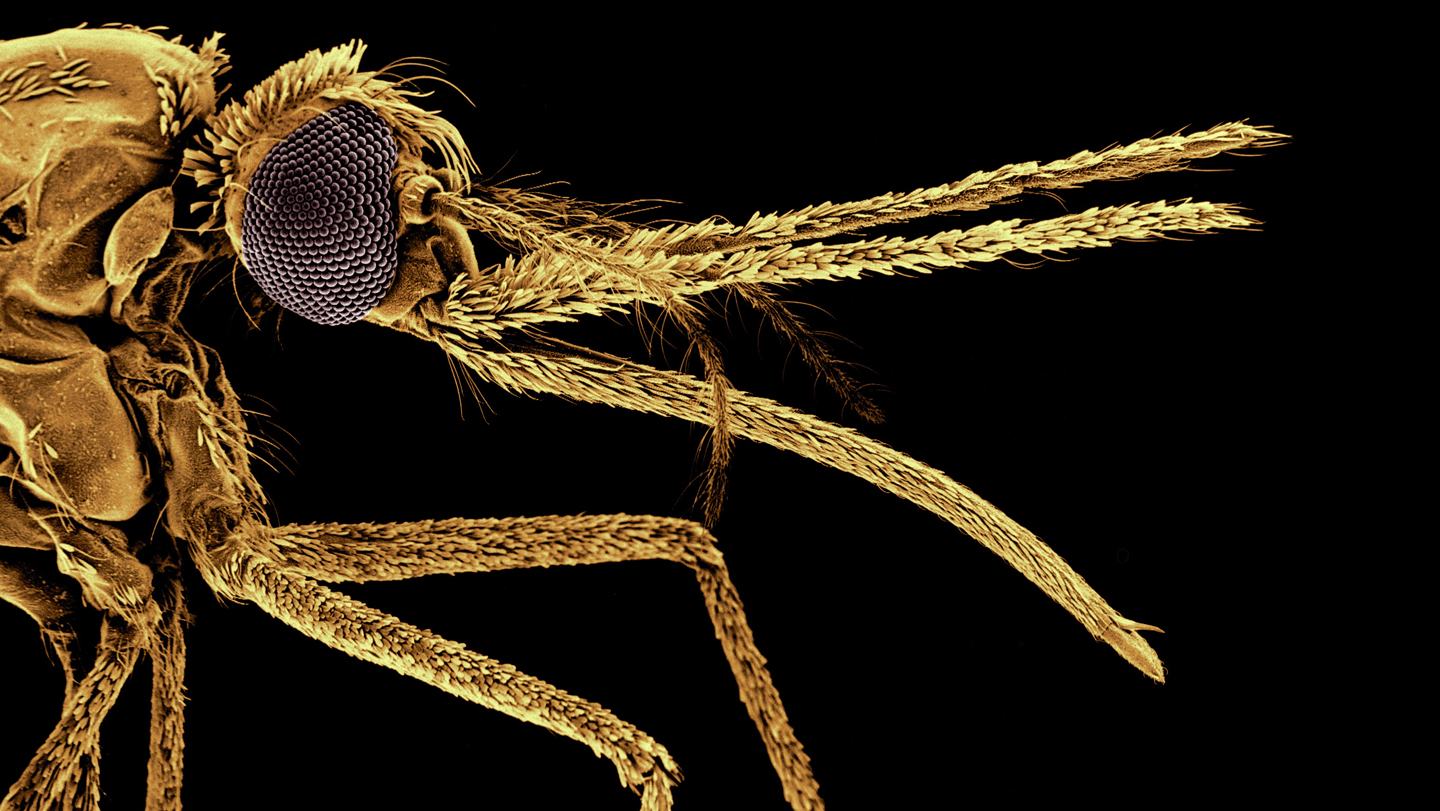
Mosquitoes have been an inseparable part of human life for far longer than we might imagine, their tiny buzzes and itchy bites a constant companion through history. Picture yourself millions of years ago, in the lush jungles of what we now call Southeast Asia, where our ancient ancestors first wandered into new territories. These winged pests have been drawing blood from people—or rather, from pre-human hominins—for over a million years, and perhaps even much further back in time. It’s a wild thought, isn’t it? That the same insects tormenting us at summer barbecues or outdoor picnics were already harassing our evolutionary forebears during their epic migrations across continents. Scientists have long pondered the origins of this intimate relationship between mosquitoes and humans, but a recent groundbreaking study has peeled back layers of time to reveal just how deep this connection runs. By analyzing the DNA of 38 modern mosquito species, researchers uncovered clues about when mosquitoes first developed a taste for human blood, shifting from their old primate-preferring habits. This change wasn’t just a minor tweak in behavior; it marked a pivotal moment in mosquito evolution, driven by the arrival of early humans who unwittingly became the stars of their new menu.
In this fascinating study, published in Scientific Reports on February 26, a team of scientists delved into the genetic makeup of mosquitoes from the Anopheles leucosphyrus group, a diverse family that offered a perfect lens for tracing evolutionary paths. These researchers, led by experts in genomics and entomology, selected 11 key species from this group because their DNA provided a comprehensive snapshot of the entire lineage’s history. Some of these mosquitoes, like the notorious Anopheles dirus and Anopheles baimaii, have become notorious for their anthropophilic tendencies—they thrive on human blood and play a deadly role in spreading malaria, a disease that still claims hundreds of thousands of lives each year. Others, however, stick to a more primal diet, feasting exclusively on nonhuman primates like monkeys, while a few versatile types can bite both. By sequencing and comparing the genomes of these modern mosquitoes, the team used sophisticated computational tools to reconstruct the insects’ family tree, mapping out mutations and genetic changes over eons. It’s like piecing together a jigsaw puzzle where each gene is a fragment, but the picture that emerged was startling: these tiny flies adapted to human hosts far earlier than anyone anticipated.
Imagine the scene around 2.9 to 1.6 million years ago, in a lost world submerged beneath the waves—a vast landmass known as Sundaland, the prehistoric cradle that now forms parts of the Malay Peninsula, Borneo, Sumatra, and Java. It was here, amid steamy rainforests teeming with wildlife, that an ancestral mosquito species first learned to seek out human scent and savor our unique taste. The researchers’ analysis, based on mutation rates in the mosquitoes’ DNA, pinpoints this transformation to that specific timeframe, revealing that the leucosphyrus group led the charge in biting humans. While other mosquito types only hopped onto the human-feeding bandwagon much later, about 10,000 years ago—possibly as agriculture and denser human populations emerged—this early adaptation suggests mosquitoes were quick to capitalize on a new food source. Sundaland’s fertile, humid environment would have been ideal for such evolution, with abundant rainwater providing breeding grounds and the canopy offering hiding spots from predators. It’s almost poetic, thinking of these insects evolving alongside our ancestors, their survival strategies mirroring the great human journey out of Africa.
Evolutionary biologist Catherine Walton from the University of Manchester in England was astonished by the findings, as she shared in interviews. “We were not expecting this group to have originated so long ago,” she admitted, explaining that the simplest explanation points to early hominins as the catalysts. Before humans showed up on the scene, mosquitoes had perfected a more ancient routine: lurking in the treetops of rainforests, feeding exclusively on the blood of nonhuman primates. This behavior dates back over 3.6 million years, as previous research has shown, and it makes perfect sense in a world where primates swung through the branches, offering easy, nourishing meals. But with the influx of Homo erectus and other early humans, whose distinct odors and patterns of movement stood out from the forest canopy dwellers, mosquitoes began to diversify their diet. Walton likens it to an adaptation pressure cooker: only with a significant population of these upright, tool-using newcomers could evolution favor mosquitoes that risked adapting to this new prey. This shift wasn’t gradual; it was a leap that reshaped mosquito ecosystems, turning them into the bloodsucking specialists we know today.
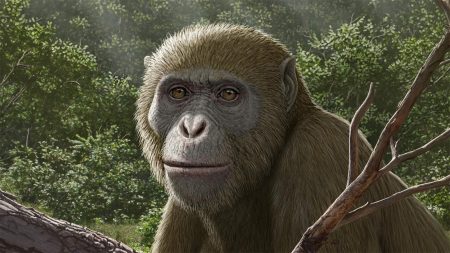
This mosquito research even touches on our own human history, adding an intriguing layer to debates about migration and settlement. Archaeologists have long argued over when the first African hominins ventured into Asia, but the mosquitoes’ DNA provides an independent timeline that aligns strikingly with fossil evidence. The study suggests human ancestors arrived around 1.8 million years ago, a period that matches the dating of the oldest Homo erectus skulls found in China. Imagine those hardy travelers, carrying their stone tools and fire knowledge, forging paths through dense jungles only to be greeted by swarms of buzzing insects honing their preferences. Walton emphasizes that it took abundant H. erectus populations to drive such a genetic change, as the insects needed a reliable, plentiful food source to evolve this risky habit. After all, biting an unfamiliar host isn’t always successful—humans can swat, flee, or build shelters. Yet, through trial and error over countless generations, mosquitoes locked onto our scent cues, perhaps drawn to the unique chemicals we produce from our food and environment. This human-mosquito arms race has been ongoing ever since, with each side adapting in an endless, annoying dance.
In today’s world, where over 100 out of an estimated 3,600 mosquito species have evolved to feast on humans, the legacy of that ancient adaptation remains boldly apparent—and annoyingly relevant. These mosquitoes not only ruin backyard gatherings and camping trips with their relentless itching but also pose severe health threats, transmitting diseases like malaria, dengue, Zika, and even West Nile virus. Though they’ve been impacting human lives since those prehistoric days in Sundaland, our modern responses—nets, repellents, vaccines, and urban planning—feel like a hard-won revenge in this age-old battle. Reflecting on this story reminds us of humanity’s profound interconnectedness with nature, where something as small as a mosquito can illuminate our past migrations and future vulnerabilities. As scientists like Catherine Walton continue unraveling these genetic tales, we’re reminded that every mosquito bite carries a whisper from deep history, urging us to appreciate the intricate web of life we all share. So next time you hear that familiar whine, spare a thought for our ancient kin who first attracted these pests—and consider investing in some really good bug spray.
Through the lens of this research, we see how even the tiniest creatures can narrate grand sagas of survival and change, blurring the lines between pest and historical echo. The story of mosquitoes adapting to humans isn’t just about bites and blood; it’s a testament to evolution’s unyielding creativity, where chance encounters in primordial landscapes birthed conveniences and curses for generations. As we spray our homes and slather on lotions, we’re participants in a narrative that began millennia ago, fostered by the unwitting invitation offered by early hominins venturing into new worlds. And perhaps, in contemplating these winged relics of the past, we can foster a deeper empathy for the natural forces that have molded our shared existence, one irritating buzz at a time. The dance between mosquito and human continues, a timeless rhythm of adaptation and coexistence that teaches us humility in the face of nature’s intricate design. Ultimately, this tale invites us to ponder: in a world where mosquitoes have haunted us for so long, how might we, as stewards of the planet, ensure that future chapters involve less nuisance and more harmony? By understanding these ancient interactions, we unlock not just scientific insights but a richer, more humane perspective on our place in the evolutionary tapestry.