




Ancient Giant Sharks: The Forgotten Predators of Prehistoric Australia
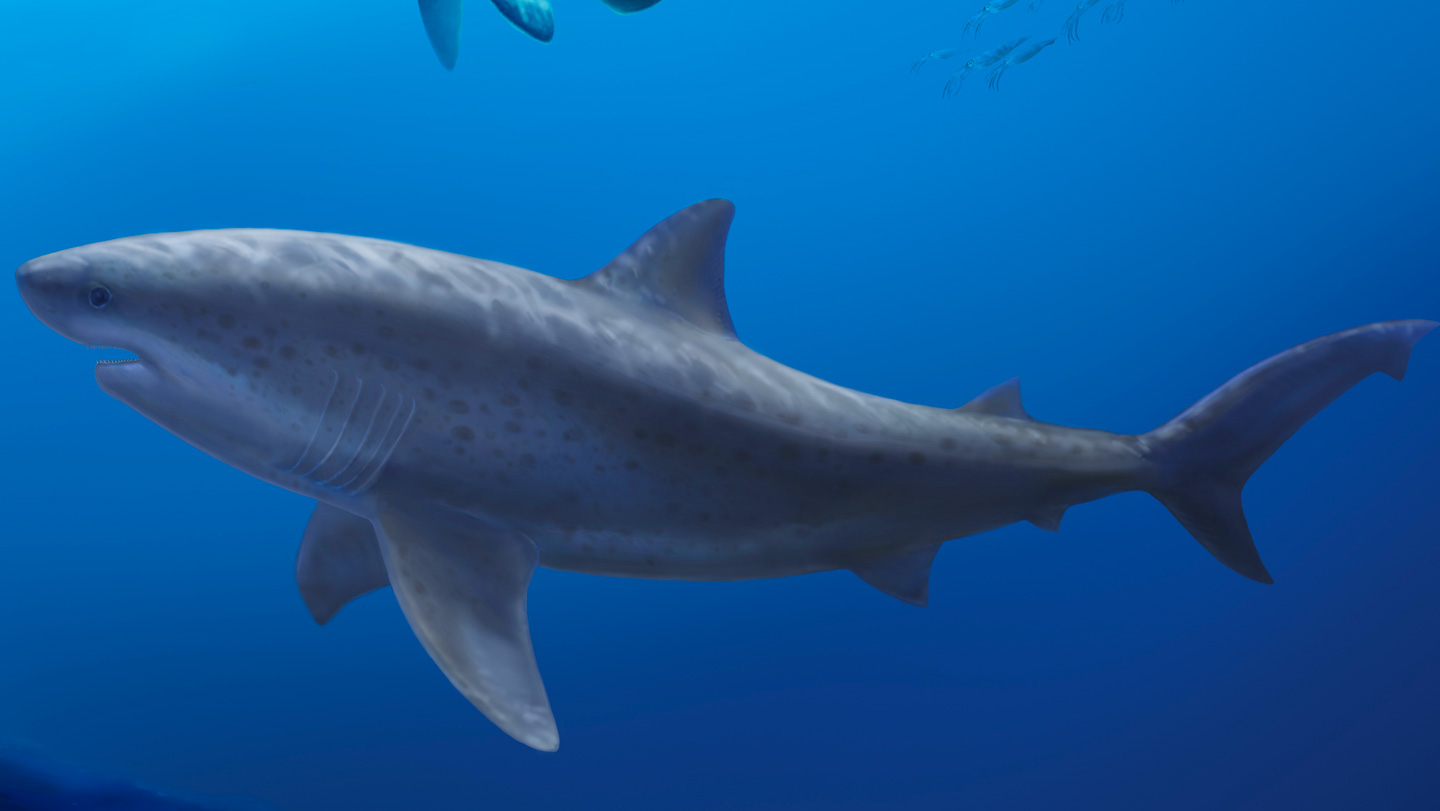
In the ancient waters surrounding Australia some 115 million years ago, a remarkable ecosystem thrived, populated by a diverse array of marine predators. While long-necked plesiosaurs, massive-headed pliosaurs, and dolphinlike ichthyosaurs have long captured the imagination of paleontologists and the public alike, recent fossil discoveries have added another formidable hunter to this prehistoric cast: giant lamniform sharks measuring up to 8 meters (26 feet) in length. This groundbreaking finding, published in Communications Biology on October 25, pushes back the timeline for the earliest giant lamniform sharks—relatives of today’s great whites and the extinct megalodon—by a significant 15 million years, fundamentally altering our understanding of prehistoric marine ecosystems.
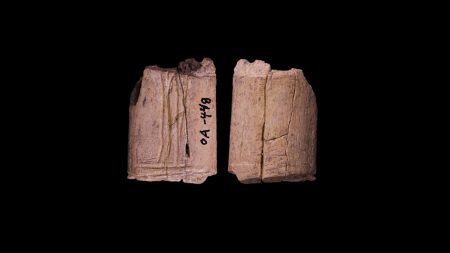
“These sharks were serious contenders, playing the role of apex predators alongside dominant megafauna such as marine reptiles,” explains Mohamad Bazzi, an evolutionary biologist at Stanford University. The discovery challenges the long-held notion that reptilian leviathans were the “sole sovereigns” of Cretaceous seas, suggesting instead a more complex hierarchy where massive sharks competed at the highest levels of the food chain. The evidence for these ancient giants comes from a set of large, disc-shaped fossilized vertebrae first reported scientifically in 1992, found in 115-million-year-old seafloor deposits near Darwin in northern Australia. It wasn’t until 2024 that Benjamin Kear, a vertebrate paleontologist at the Swedish Museum of Natural History in Stockholm, along with Bazzi and their colleagues, examined five of these vertebrae in detail to better understand the creature they once supported.
The size of the vertebrae immediately astonished the researchers. “We were all stunned by the sheer size,” remarks Kear, noting that each vertebra measured roughly 12 centimeters (about 5 inches) across—approximately 50 percent larger than those of a modern great white shark. Through careful comparison with both living and extinct shark families, the team determined that the vertebrae likely belonged to a cardabiodontid, an extinct variety of lamniform shark. Based on these remains, they estimated the animal could have reached 8 meters in length and weighed an impressive three metric tons, making it a true titan of the Early Cretaceous seas.
What makes this discovery particularly significant is its implications for shark evolution and adaptation. The research team was surprised not only by the size of this ancient predator but also by its age—15 million years older than Leptostyrax, previously considered the earliest known giant lamniform at over 6 meters long (and possibly also a cardabiodontid). This suggests that lamniforms achieved massive size much earlier in their evolutionary history than previously thought, reaching the top tiers of ocean food webs just 20 million years after they first evolved. Such rapid evolution to gigantism raises fascinating questions about the environmental factors and selective pressures that drove these sharks to grow so large so quickly.
The discovery opens up intriguing questions about prehistoric marine ecosystems and how various apex predators managed to coexist. “The finding raises more questions than it answers,” admits Bazzi. One of the most compelling mysteries is how these enormous sharks shared ecological niches with other massive Cretaceous predators like plesiosaurs and pliosaurs. Did they target different prey species? Hunt in different water depths? Or perhaps compete directly with marine reptiles for resources? Understanding these relationships could provide valuable insights into the dynamics of ancient ocean ecosystems and how they compare to today’s marine food webs, where large sharks still play crucial roles as apex predators.
Perhaps most exciting is what this discovery suggests about other potential findings waiting to be unearthed. “The discovery of this giant shark leaves open the exciting possibility that other large species once inhabited these environments,” Bazzi notes. With each new fossil discovery, our picture of prehistoric oceans becomes more complete, yet simultaneously more complex. As researchers continue to examine museum collections and explore new fossil sites, there remains the tantalizing possibility that evidence of even larger Cretaceous sharks lurks in the fossil record, waiting to be found. This Australian discovery reminds us that even after centuries of paleontological research, the ancient oceans still hold many secrets—and many monsters—yet to be discovered.