






The Timeless Wisdom of Greenland Sharks: Lessons for Human Longevity
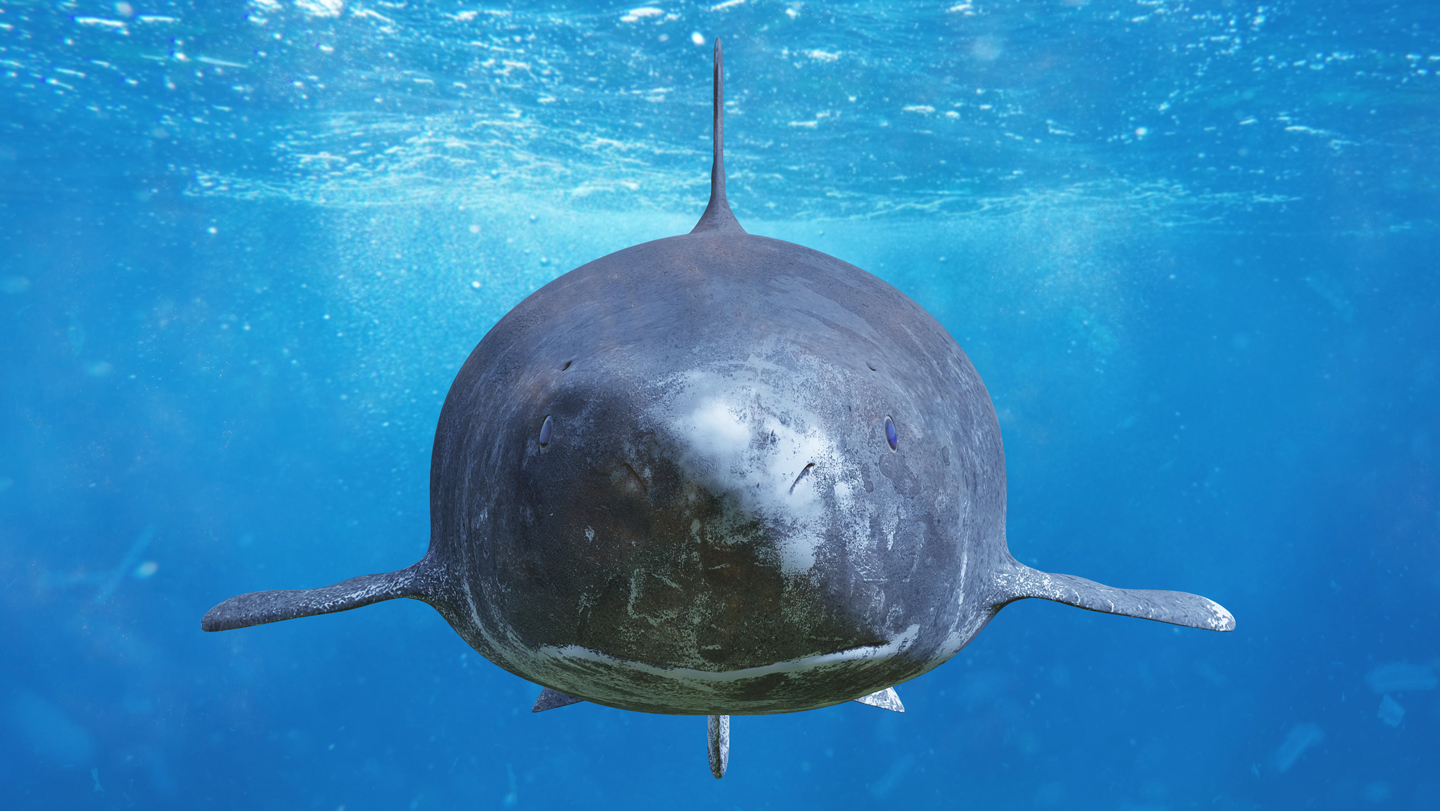
The mysterious Greenland shark glides through the frigid North Atlantic waters with a secret that humans have sought for millennia—extraordinary longevity. These enigmatic creatures can live for centuries, with some individuals reaching the astounding age of 400 years or more, making them the longest-lived vertebrates known to science. While we humans celebrate reaching our 80s or 90s as remarkable achievements, these ancient mariners quietly traverse the deep ocean currents through the reigns of kings and queens, industrial revolutions, and the digital age. Their remarkable ability to resist the biological ravages of time that inevitably claim human lives holds potential keys to understanding—and perhaps even extending—our own lifespans.
The secret to the Greenland shark’s exceptional longevity appears to lie in its uniquely adapted metabolism. Living in near-freezing waters that would kill most creatures, these sharks have evolved an extraordinarily slow pace of life. They grow at a glacial rate of less than one centimeter per year, reach sexual maturity only after a century of life, and maintain a heartbeat so slow it borders on the imperceptible. This biological patience stands in stark contrast to our human existence, characterized by rapid growth, accelerated maturity, and metabolisms that burn through energy at rates thousands of times faster. Scientists believe this metabolic sluggishness significantly reduces the accumulation of cellular damage that drives aging—essentially, the slower you burn your candle, the longer it lasts. The Greenland shark’s cells appear remarkably resistant to the deterioration that humans experience as wrinkles, weakened immune systems, and failing organs.
Perhaps most intriguing is how these ancient sharks have solved a fundamental problem that plagues human aging: maintaining genomic integrity over vast stretches of time. Human DNA accumulates errors with each cell division, leading to cancers and age-related decline. Yet Greenland sharks somehow maintain genetic stability through centuries of life, suggesting they possess superior DNA repair mechanisms or protective factors that prevent genomic damage in the first place. Their remarkably low cancer rates—despite their size and longevity—hint at cellular protection systems far more advanced than our own. Scientists are particularly interested in the shark’s unique ability to maintain the protective telomeres that cap our chromosomes, structures that typically shorten with age in humans and contribute significantly to our biological clock. By understanding how these creatures maintain genomic stability across centuries rather than decades, researchers hope to identify new pathways to extend human healthspan.
The Greenland shark’s immune system also demonstrates remarkable resilience against the infections and inflammatory processes that contribute significantly to human aging. While our immune systems weaken and become dysregulated with advancing years—a phenomenon called immunosenescence—these ancient sharks maintain robust defense mechanisms throughout their centuries-long lives. Their blood contains unique antimicrobial compounds that remain effective against pathogens despite minimal evolution over hundreds of years. Additionally, unlike humans who suffer increasing chronic inflammation with age (known as “inflammaging”), these sharks appear to maintain balanced inflammatory responses even in extreme old age. This suggests they possess regulatory mechanisms that prevent the destructive inflammatory cascade that contributes to human heart disease, dementia, and other age-related conditions. By studying how Greenland sharks avoid these immunological pitfalls of aging, scientists hope to develop therapies that could similarly protect aging humans.
What makes the Greenland shark’s longevity particularly relevant to human medicine is our shared vertebrate heritage. Despite hundreds of millions of years of evolutionary divergence, many fundamental cellular mechanisms remain conserved between sharks and humans. Both species face similar challenges in maintaining cellular function over time, protecting against DNA damage, clearing cellular debris, and preventing protein misfolding. This evolutionary connection means that discoveries about the shark’s anti-aging mechanisms could potentially translate to human applications. Already, compounds identified in shark tissues have shown promise in laboratory studies for protecting human cells against age-related damage. Researchers are particularly excited about unique proteins that appear to enhance cellular stress resistance and DNA repair pathways that could theoretically be adapted for human therapeutic use. While we won’t be swimming in frigid Arctic waters anytime soon, we might eventually benefit from biological innovations first developed in these ancient ocean dwellers.
As human societies grapple with rapidly aging populations and the associated healthcare challenges, the Greenland shark offers a compelling biological model for healthy longevity. Rather than merely extending lifespan regardless of quality, these sharks maintain robust function throughout their centuries—they don’t simply grow old, they age extraordinarily well. This represents the ideal of “compression of morbidity” that human medicine strives for—maximizing healthy years while minimizing the period of age-related decline. By decoding the molecular strategies that allow these remarkable creatures to thrive across centuries, scientists hope to develop interventions that could similarly extend human healthspan. While we may never match the four-century lifespan of the Greenland shark, understanding their remarkable biological resilience could help future generations of humans maintain vigor and health far longer than currently possible—a profound gift from one of Earth’s most ancient and mysterious inhabitants.