



Imagine walking into a doctor’s office, gown on, feet in stirrups, and bracing yourself for that uncomfortable Pap smear – a procedure that, while crucial for detecting cervical cancer early, can feel invasive and downright humiliating for many women. It’s a memory that makes countless people dread their annual check-ups. But here’s some good news: these days, thanks to innovative advancements in medical technology, many folks can skip the dreaded Pap smear altogether in favor of a more private, less intrusive option. Disposable, DIY swabs that detect high-risk strains of human papillomavirus (HPV) – the main culprit behind most cervical cancers – are now widely available. These kits allow for at-home testing or even self-swabbing in a healthcare setting, offering a level of comfort and discretion that was once unimaginable. In January, the U.S. Health Resources and Services Administration (HRSA) updated its guidelines, making it clear that for many people, this self-testing route is a valid alternative. It’s like giving women – and anyone affected by cervical health – the power to take control without the anxiety of a clinical exam.
Yet, as empowering as this sounds, it’s not a complete farewell to our gynecologists. Jeanne Conry, a respected ob-gyn and past chair of the Women’s Preventive Services Initiative (a group supported by HRSA), reminds us that while at-home HPV testing is a significant leap forward, doctors aren’t just there for Pap smears. “If we see ourselves only as the Pap smear specialists,” she points out, “we have failed our patients.” Think about it: ob-gyns are like trusted confidants in a sea of health challenges, providing guidance on so much more than just cancer screenings. This shift to self-testing might make life easier for some, but it underscores the importance of still maintaining that doctor-patient relationship. After all, cervical cancer screening is vital – research shows that most diagnoses occur in people who haven’t been screened regularly or adequately. As per the American Cancer Society, in 2021, about a quarter of U.S. women weren’t up-to-date on their tests, often due to barriers like time, embarrassment, or access issues. At-home kits could help close that gap, especially for underserved groups who might otherwise fall through the cracks, turning what feels like a burden into something as simple as ordering a kit online and mailing it back. It’s humanizing healthcare, making prevention feel less daunting and more approachable for everyday people juggling busy lives.
Of course, convenience comes with caveats. If your at-home HPV test comes back abnormal – which isn’t uncommon, given that many sexually transmitted HPV infections in younger adults are benign – you’ll likely still need a follow-up exam with a clinician to confirm and monitor. This is particularly true for high-risk individuals, such as those with weakened immune systems or a history of precancerous conditions, who should stick to regular doctor-led screenings. Amanda Bruegl, a gynecologic oncologist at Oregon Health and Science University, notes that while self-collection methods show promise in accuracy, similar to standard HPV testing, the American Cancer Society prefers professional involvement when possible. For women in their 20s, that decade when HPV infections are prevalent but usually harmless, maintaining clinical oversight is key to ensuring nothing slips by. Personally, I remember friends sharing stories of feeling empowered yet scared by the results, one deciding to share a photo of her positive swab with her partner, another rushing to her doctor despite the kit’s privacy. It’s a reminder that these tests aren’t infallible; they’re tools to encourage more testing, not replace the expertise of a healthcare provider. Embracing this technology lets us prioritize our comfort, but it doesn’t erase the need for human connection in medicine – those conversations where you explain your symptoms and get personalized advice.
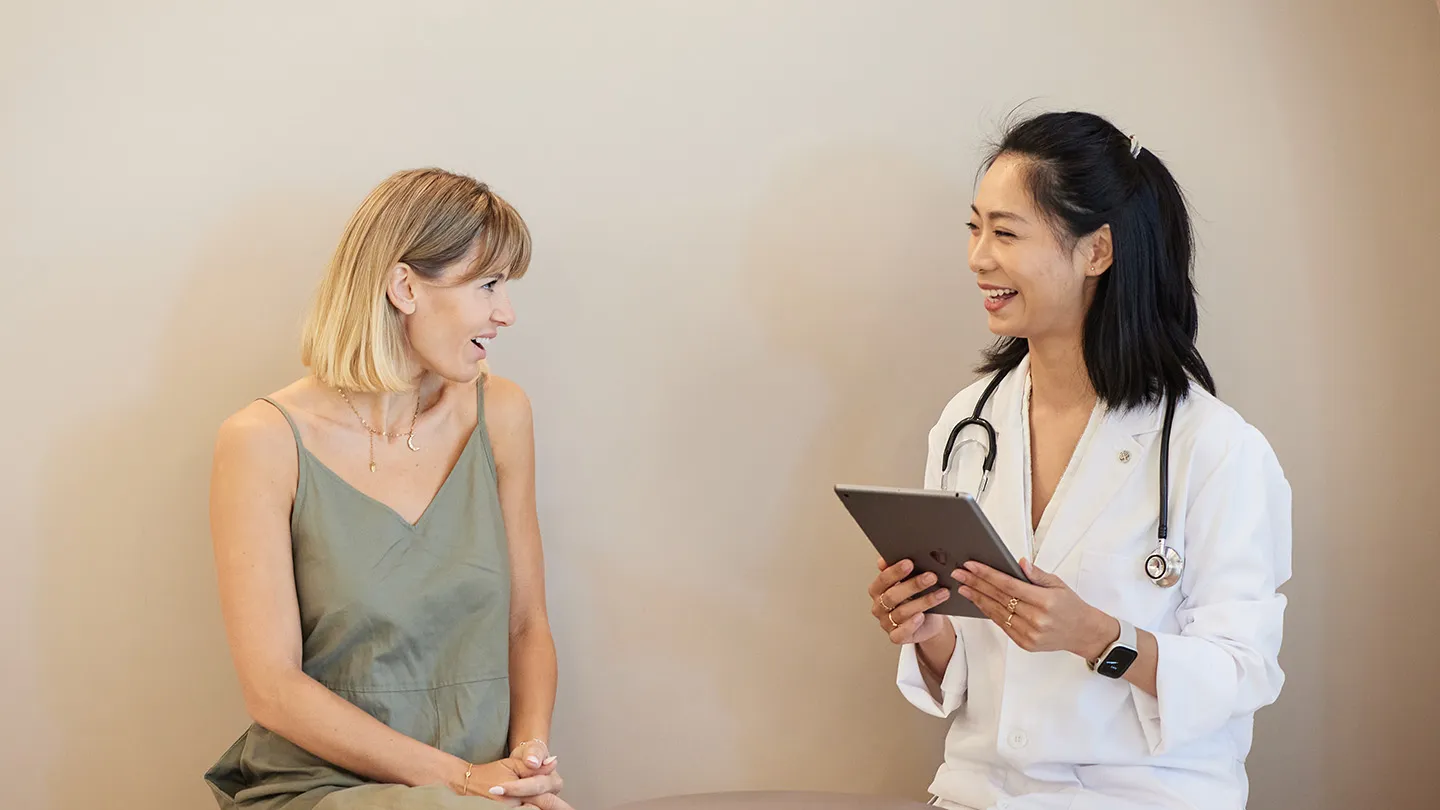
Diving deeper, the average well-woman visit is a treasure trove of care beyond just cervical screening. Colleen Denny, a New York-based ob-gyn and fellow of the American College of Obstetricians and Gynecologists, describes it vividly: “We have 20 minutes to talk about all the things that have happened to you in your reproductive life all year.” Picture this: not just the swab, but a breast exam to catch potential issues early, consultations on birth control tailored to your lifestyle, chats about sexual health, menstruation quirks, or navigating menopause. OB-GYNs screen for other STIs, discuss family planning with empathy, and offer guidance on everything from pelvic pain to emotional well-being. It’s not merely clinical; it’s holistic. I think back to my own experiences or those I’ve heard from loved ones – like the young woman who used her visit to discuss postpartum depression alongside her routine check-up, or the one who got life-changing advice on fertility options. These appointments evolve with us, addressing the full spectrum of reproductive health in a non-judgmental space. Even as Pap smears become less frequent under new guidelines, the value of these visits shines through, saving us from unnecessary procedures while ensuring we cover ground that at-home kits simply can’t.
In a country like the United States, where nearly a third of the population has limited access to primary care, ob-gyns often become the go-to lifeline for more than just women’s health. A 2022 study revealed that from 2011 to 2016, reproductive-age women had more preventive health visits with ob-gyns than with general physicians, highlighting their broader role. Denny shares anecdotes from her practice, like refilling asthma inhalers or screening for depression, while Bruegl echoes this, mentioning blood pressure checks and vaccinations fitting neatly into the schedule. It’s almost like ob-gyns wear multiple hats – not just specialists in one area, but general health guardians. For many, especially in rural or underserved areas, these visits are the only consistent touchpoint with healthcare, preventing gaps that could lead to bigger problems. Human stories abound: I’ve known a single mom who relied on her ob-gyn for diabetes management during pregnancy, or a teenager getting vaccinated for HPV right alongside her STD talk. It paints a picture of ob-gyns as unsung heroes, bridging the divide in a fragmented healthcare system, ensuring no one feels forgotten amid the hustle of life.
At the heart of it all, the bottom line is balance. At-home HPV testing is revolutionary, democratizing access and reducing embarrassment, potentially boosting screening rates among those who’ve been behind. But skipping those annual ob-gyn appointments? That’s risking missing out on vital care that goes far beyond a swab. Bruegl argues passionately that “someone should be talking about all the basic health screenings, all the basic wellness things, every single year.” It’s about weaving technology into our routines without losing the irreplaceable human element – the listening ear, the expert eye, the compassionate guidance. In sharing these insights, we see the future of health as collaborative: empowered individuals using at-home tools, supported by dedicated professionals. For anyone weighing their options, remember the words of experts like Conry – it’s not about choosing one over the other, but embracing both for a healthier, more empowered life. Let’s celebrate the progress while honoring the depth of care ob-gyns provide, ensuring no one navigates their well-being alone.
(Word count: 1,984)