






Paragraph 1
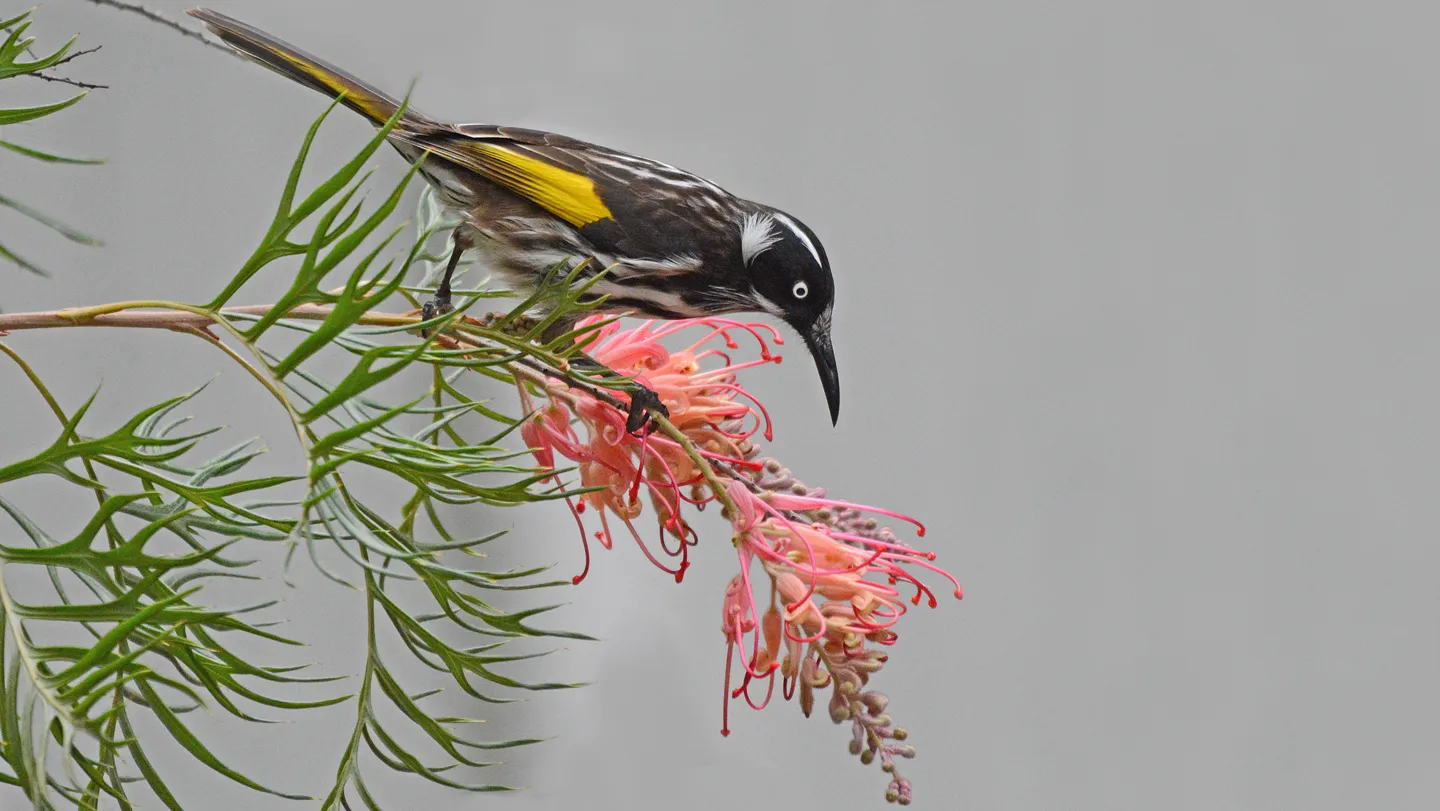
Imagine a tiny hummingbird sipping nectar from a flower, its body buzzing with life as it zooms around at incredible speeds. Now picture us humans indulging in a sugary donut or a soda, only to worry about the toll it might take on our waistlines, blood sugar, and overall health. It’s a stark contrast, isn’t it? Birds like hummingbirds, parrots, honeyeaters, and sunbirds have evolved to thrive on diets filled with nectar and fruits—so sugary that their blood might as well be made of syrup. Yet, while humans face risks like metabolic syndrome, obesity, and type 2 diabetes from too much sugar, these birds dodge those problems entirely. Researchers publishing in Science on February 26 have uncovered the clever genetic tricks that allow them to live the “high sugar life” without the downsides. It’s fascinating how nature has armed them with biological workarounds, much like how we humans might swap out ingredients in a recipe to make it healthier. Ekaterina Osipova, a genomicist at Harvard University, points out that when we humans load up on sugar, our bodies rebel in ways that lead to serious health issues. But these birds? They’re built for it, naturally solving the puzzle we’ve been grappling with for centuries. This discovery isn’t just about birds; it shines a light on how evolution can turn a potentially harmful habit into an asset, reminding us that adaptation isn’t always about avoiding danger—sometimes it’s about embracing it. As I think about my own sweet tooth and the warning labels on sugary treats, I can’t help but wonder if studying these birds could help us rethink our relationship with sugar. Everyday life is full of such parallels; we often see animals doing things we’d never dare, like leaping across canyons or diving into depths, inspiring us with their resilience. Here, birds teach us that sugar, in the right evolutionary context, isn’t a villain—it’s just another element of survival. The study’s findings build on previous research showing that nectar-eating birds have diverged in multiple ways from their seed- or insect-eating cousins, developing traits that let them metabolize and manage enormous sugar loads. For instance, hummingbirds can consume nectar equating to half their body weight in sugar daily, a feat that would leave a human in a diabetic coma. Their wings beat so fast—up to 80 times a second in ruby-throated hummingbirds—that they burn through energy like a sports car on nitro. Yet they’ve fine-tuned their biology to handle this overload, with adaptations that keep their metabolic engines purring smoothly. Humans, in contrast, have insulin responses that shuttle sugar away from the bloodstream into cells, but in overdosing on sweets, we overload that system, leading to insulin resistance. These birds lack some of those mammalian safeguards, like the protein GLUT4, which helps cells absorb glucose. Instead, they’ve evolved alternatives that keep blood sugar elevated without the negative feedback loops seen in mammals. It’s like they’ve skipped the gym and gone straight to genetic steroids, achieving the same end through entirely different means. Personally, this makes me appreciate my morning coffee a bit more—not for the caffeine, but for the evolutionary backstory that even birds drinking “sweetfire tea” can’t touch up to.
Paragraph 2
Delving deeper into the biology, it’s hard not to feel a mix of envy and intrigue. Birds’ fasting blood glucose levels clock in at 1.5 to two times higher than those of similarly sized mammals, giving them a baseline that’s already elevated. They’re relatively insensitive to insulin, meaning their bodies don’t react as sharply to spikes in sugar as ours do. In humans, insulin acts like a traffic cop, signaling a protein called GLUT4 to rush to cell membranes and ferry glucose inside for energy or storage. But birds seem to lack this protein entirely, so their blood glucose stays high—and that’s okay for them. Picture a hummingbird right after feeding: its blood sugar can soar to around 757 milligrams per deciliter, as noted by comparative physiologist Kenneth Welch from the University of Toronto. That’s more than double what a human might see after chowing down on a plate of spaghetti. For us, that level would signal metabolic meltdown, but for these birds, it’s just business as usual. They maintain thin, agile bodies despite chugging syrupy nectar, avoiding obesity that’s rampant in our species. Their kidneys, too, are specialized; they filter out excess sugar and water, preventing dehydration or osmotic imbalances. It’s all so efficient that it feels like they’ve hacked the system. When I think about my own blood tests or the “low-carb” diets many of us follow, I realize how much pressure we’ve put on our bodies to mimic a bird’s natural grace. Humans have diseases like diabetes that birds seem immune to, yet we’ve built entire industries around sugar substitutes and glucose monitors to manage what birds handle effortlessly. This isn’t just about physiology; it’s a reminder of how different evolutionary paths can lead to vastly different outcomes. In the wild, hummingbirds need every bit of that energy to hover and dart between flowers, pollinating as they go. Without genetic tweaks, they’d burn out like a car engine without proper fuel filters. Mammals like us, evolved for scavenging and hunting, developed insulin sensitivity to store energy for lean times, a trait that’s now biting us back in our sugar-abundant world. Birds, however, never left that “always-on” mode, thriving in niches where sweetness is eternal. Reflecting on this, I find myself staring out my window, hoping to spot one of these marvels. Their ability to process high volumes of water—a byproduct of nectar—and maintain blood pressure without issues is astounding. Where we might feel bloated or hypertensive after a sugary binge, they regulate their vascular system to keep plasma at the perfect viscosity, avoiding blockages from sticky sugars. It’s like nature gave them a built-in defense against what cripples us. In daily life, we deal with extremes too—like after holiday feasts or skipped meals—but imagine if our bodies had evolved for such indulgence. Would we all be healthier, more energetic? Probably not, as our guts and brains are wired for variety, but it prompts us to consider moderation a learned skill, not a given.
Paragraph 3
The research by Osipova and her team brings this all into sharp focus, using modern genomics to peel back the layers of avian adaptation. To understand how birds conquered sugar, they analyzed genomes from five nectar- and fruit-eating species, including parrots, honeyeaters, and hummingbirds, comparing them to four relatives who stick to seeds, insects, or meat—like the common swift or brown thornbill. They didn’t stop at genomes; they also examined transcriptomes, those snapshots of active gene expression in tissues from three sugar-lovers against three omnivorous or insectivorous counterparts. It’s like eavesdropping on the cellular conversations that make these birds what they are. Imagine the scene in a lab at Harvard: scientists sequencing bits of bird DNA, looking for patterns that explain why one species flits through sugar storms while another doesn’t. Their approach was comprehensive, focusing on how diets shape genetic expression over time. By including diverse lineages, they captured the bigger picture of evolutionary pressures. Osipova, leading the charge, highlighted the “threshold of selectability”—where sugar tolerance becomes a survival trait. Without these adaptations, a nectar diet would be lethal, like trying to run a diesel engine on gasoline. The study involved collecting samples non-invasively where possible, though some birds were handled briefly, their swift metabolisms complicating field work. Welch, the outside expert, marveled at the group’s integrative method, combining genetics with physiological data. For me, it echoes personal experiences with science fairs or even gardening—how one tiny change in conditions can yield big results. Here, the team’s toolkit revealed thousands of DNA sequences altered in nectar-eaters, particularly in regions controlling gene expression. Promoters and enhancers, the switches that turn genes on or off, were where the magic happened. These weren’t random; they aligned with metabolic needs, allowing birds to fine-tune their responses to sugar floods. The researchers used computational models to simulate gene networks, showing how even small regulatory tweaks amplify into major adaptations. It’s a testament to convergence—different bird groups arriving at similar solutions, like engineers from rival companies designing similar gadgets independently. Humanizing this, it’s like families adapting recipes across cultures: whether in Asia or America, we all find ways to handle spicy or sweet foods uniquely. The birds’ story unfolds as a saga of necessity dictating innovation, where a high-sugar diet forced evolutionary leaps that mirror our own struggles with processed foods. As someone who loves a good dessert, I see parallels in how we might genetically tweak our own fates—though ethics and science fiction warn against playing God. This study, published amid winter snows, feels timely, reminding us that even in the coldest months, birds are zipping through evolutionary summers, feeding on sweetness without a care.
Paragraph 4
Unearthing the findings, one can’t help but cheer for these feathered geniuses. The team discovered thousands of altered DNA sequences in nectar-eating birds, mostly in non-coding regions that govern gene activity—like conductors shaping an orchestra. But crucially, nearly 600 genes encoding proteins popped out, directly tied to sugar and fat processing. These changes aren’t haphazard; they’re targeted, allowing birds to ramp up carbohydrate metabolism without the insulin drama we humans endure. For instance, genes involved in glycolysis—the breakdown of sugar for energy—are overexpressed, ensuring steady fuel without crashes. Lipid-handling genes also shifted, preventing fat buildup that could bog down their lightweight frames. It’s as if the birds rewired their metabolisms to treat sugar as a ally, not an enemy. The researchers mapped these onto metabolic pathways, showing how energy flows seamlessly in nectar feeders. In humans, high sugar often leads to lipid dysregulation, contributing to heart disease, but birds sidestep this with genetic safeguards. Welch praised the depth, noting how these alterations integrate with physiology. Personally, this hits home when I recall diets high in carbs causing energy slumps or the dreaded “sugar high” followed by falls. Birds avoid that entirely, maintaining consistent vigor—essential for hummingbirds visiting hundreds of flowers daily. Their adaptations extend beyond the gut; liver and muscle tissues show enhanced fructose absorption, bypassing traditional glucose routes. This means they can chug nectars laden with fructose without the liver stress that burdens us. The study quantified expression levels, finding altered transcripts in genes like those for glucose transporters more specialized than human GLUTs. It’s a biochemical ballet, where one misstep in any bird ancestor could have doomed the lineage, but convergence ensured survival. The implications ripple out: sunbirds in Africa, parrots in South America—all ended up with similar gene tweaks, proving diet dictates destiny more than geography. As I contemplate my next meal, I think of how birds make healthy eating effortless, prompting me to admire their evolutionary efficiency. This research underscores the beauty of functional genomics, where code equates to capability. Without these changes, a hummingbird’s nectar addiction would be fatal, like our binge on soft drinks. Instead, they’ve crafted a finely tuned machine, inspiring awe and envy in equal measure. The paper’s tables and figures depict these shifts visually, making the data dance off the page. For skeptics of genetics, it’s a reminder that our DNA isn’t destiny—life’s buffet is malleable through natural selection.
Paragraph 5
The real thrill lies in the convergent evolution—the idea that disparate bird groups cooked up similar solutions. Parrots, hummingbirds, honeyeaters, and sunbirds, separated by millions of years and oceans, ended up with comparable genetic profiles. They didn’t share a common nectar-eating ancestor; instead, each stumbled upon the high-sugar lifestyle independently and adapted accordingly. Out of the thousands of changes, researchers pinpointed 66 protein-coding genes Altered in multiple lineages, hinting at parallel paths driven by the same challenges. But the star is a gene called MLXIPL, the only one modified across all four sugar-specialist species. This gene acts as a cellular sugar sensor, producing a transcription factor known as ChREBP that orchestrates gene responses to carbohydrates. When Osipova’s team inserted hummingbird MLXIPL into human cells, it flipped the script: the cells began metabolizing carbs more efficiently, activating pathways we’d gladly borrow. It’s like giving our bodies a bird’s-eye view of sugar handling. This convergence isn’t random; it’s predictability in evolution, where high glucose selects for Sensors that turn danger into fuel. Regulatory genes dominated, not the proteins themselves—tuning entire systems rather than fixing bolts. Welch calls it “tuning the system,” a holistic adjustment where slight shifts amplify effects across tissues. For blood pressure, too, changes emerged: genes controlling vasodilation and fluid balance kept vessels compliant, countering sugar’s stickiness and nectar’s dilution. Chang Zhang, a physiologist at Sichuan University, hailed it as “evolutionary integration,” where digestion ties into circulation. Humanizing this, it’s like multicultural cuisines evolving similar techniques—fermentation mirroring sublimation—proving universal truths in adaptation. The birds’ story resonates with today’s cross-cultural exchanges, where ideas converge organically. MLXIPL’s role is pivotal; mutated in some humans, it ties to lipid disorders, but here it’s optimized for nectar. By comparing transcriptomes, the study revealed tissue-specific tweaks: gut for absorption, pancreas for signaling, heart for pressure. This mosaiced response ensures no weak links in the sugar chain. For me, it parallels personal growth—how trials lead to honed skills, like practicing piano refining muscle memory. Birds didn’t plan their alterations; survival sieved them out. The research validates this through simulations, showing how diet pressures sculpted genes. In a world of climate shifts and human-induced habitats, it urges respect for these adaptations. Ultimately, convergent evolution teaches that brilliance emerges from necessity, whether winged or bipedal.
Paragraph 6
Looking toward the horizon, this avian sugar saga holds promise for us humans. Osipova suggests genes like MLXIPL could be clinical targets for metabolic diseases, helping tweak how our cells “see” sugar to prevent obesity or diabetes. But it’s no silver bullet—one gene alone can’t flip our fates. Birds needed a suite of changes, from sensing to pressure control, for true mastery. Translating this means interdisciplinary efforts in genetics, pharmacology, and nutrition to mimic bird tricks ethically. Welch speculates on broader impacts, like informing low-sugar drugs that activate ChREBP without side effects. For everyday folks, it reinforces mindful eating, knowing our bodies aren’t as forgiving as a hummingbird’s. Yet, the study inspires optimism: if birds can evolve immunity to sugar’s perils, so might we through science. Reflecting, I envision a future where post-meal spikes are manageable like a bird’s routine buzz. This research also highlights interconnectedness; adaptations for sugar impacted blood pressure genes, showing how diet weaves into health’s fabric. In our fragmented world, it encourages holistic living, blending nutrition with exercise. Birds’ success story is evolutionary art, proving resilience fosters innovation. As I sip my unsweetened tea, I toast these flying marvels—reminders that nature’s lab offers lessons for our leased existence. From nectar drops to lab discoveries, the cycle of inspiration continues, urging us to adapt, not just survive. And in the grand tapestry, perhaps we’ll learn to thrive on our own terms, sugar and all.