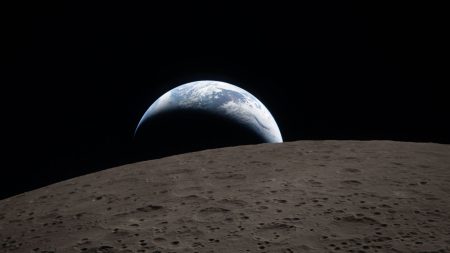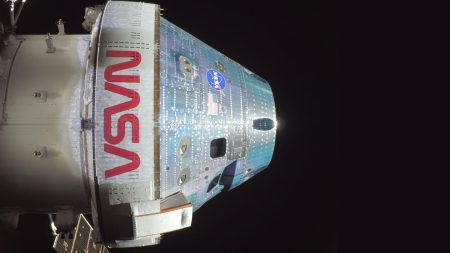







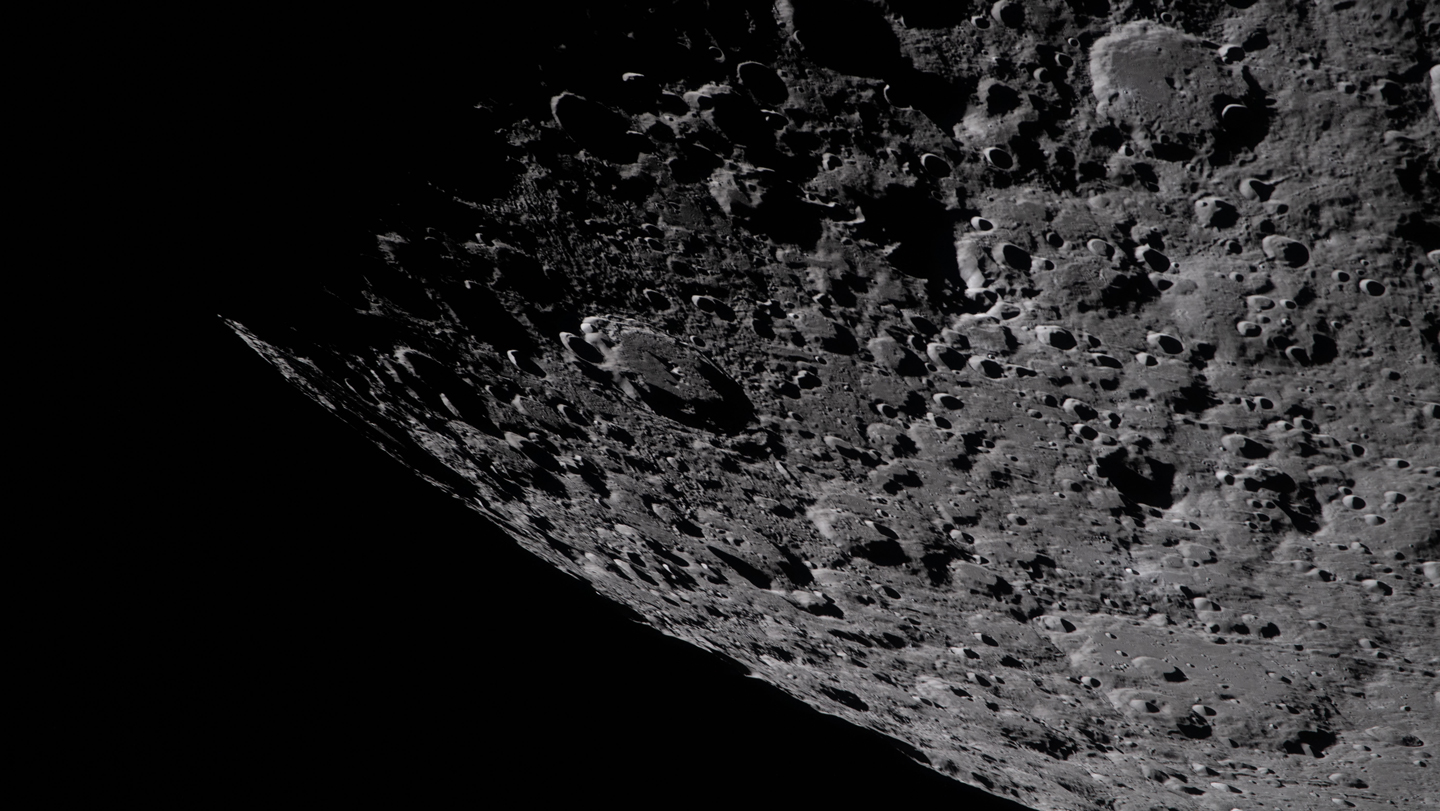
As the Artemis II mission draws to a close, with the crew scheduled to splash down on April 8, there’s an exhilarating buzz among the scientists back on Earth. Picture this: a historic flyby around the moon, the first in over 50 years, executed flawlessly by astronauts Reid Wiseman, Christina Koch, Victor Glover, and Jeremy Hansen. While the crew aboard the Orion spacecraft focused on their tasks, taking photos and recordings with meticulous care—they spent seven hours rotating shifts at the windows, two at a time, capturing the moon’s shadowed beauty—a dedicated team at NASA’s Johnson Space Center in Houston is diving deep into the flood of data streaming back. Kelsey Young, the mission’s lunar science lead, lights up when she talks about the “very excited science community.” You can almost hear the collective gasp as images and audio from the spacecraft arrive, promising discoveries that could reshape our understanding of the moon. The astronauts, drawing on rigorous training in science and geology, didn’t just snap pictures; they relayed “situational reports” packed with vivid, firsthand descriptions that make the moon feel alive—depictions like “handprints,” “pinpricks of light through a lampshade,” “islands in a sea of darkness,” “deep holes,” a “healing wound,” a “frozen choppy sea,” and even a “dinosaur footprint.” Young notes they were coached to describe it naturally, as they saw it, and it’s paying off in ways robotic probes never could. With spirits soaring, scientists are prioritizing the incoming treasure trove—thousands of photos and recordings—debating their meanings. Young hints at the potential: “There’s a lot of science inside of those images.” It’s not just about past achievements; it’s about unlocking the future. This mission isn’t ending; it’s igniting curiosity, blending human intuition with cutting-edge analysis to explore questions about meteorite impacts, lunar geology, and the cosmos itself. As transmissions roll in, you sense the thrill of discovery, like unwrapping a gift wrapped in stardust, where every pixel holds a secret waiting to be revealed.
During the flyby on April 6, the astronauts immersed themselves in observations that felt both scientific and profoundly personal, as if the moon were an old friend revealing its stories. Positioned at the windows, they captured the lunar landscape’s raw majesty, their reports painting a picture far more nuanced than any camera could. Young recalled the team’s enthusiasm, emphasizing how these human accounts add layers to robotic data. The crew communicated regularly with mission control, their descriptions evoking the moon’s enigmatic charm—sharp contrasts and subtle mysteries that begged for interpretation. We trained them not to filter; to see and describe authentically,” Young explained, a nod to the value of visceral experiences in space. For instance, they spotted familiar Earth features recast in lunar terms, like a rim of our home planet hanging in the void. It’s easy to imagine the awe: floating in orbit, watching the gray expanse unfold, details emerging like pieces in a cosmic puzzle. The astronauts’ role wasn’t passive; they were active explorers, their eyes bridging the gap between data and wonder. In the Orion’s confined space, the team managed the mission’s rhythm, alternating duties while keeping the science flowing. Koch, Glover, and the others brought their expertise to bear, turning what could have been routine passes into intimate encounters. By relating features through poetic metaphors—like a seasick patient or an ancient footprint—they humanized the exploration, making it accessible and thrilling. This wasn’t just a flyby; it was a conversation with the moon, rich with potential for cross-checking orbital and ground-based data. As the crew returned to Earthbound routine, their words lingered, fueling excitement on the ground and hinting at revelations yet to come.
One of the most electrifying moments came during the solar eclipse orchestrated near the flyby’s end, a deliberate maneuver where the moon eclipsed the sun for almost an hour from the crew’s viewpoint. Creating an artificial night sky, it provided a perfect stage for spotting impact flashes—those fleeting, colorless sparks caused by micrometeorites colliding with the lunar surface. Young admitted surprise, as she hadn’t anticipated sightings from human observers. But the crew didn’t disappoint; Commander Reid Wiseman recalled the emotional high of the eclipse, then the shift to science mode when someone suggested hunting for flashes. “Right after that, somebody in the cabin said ‘Let’s look for impact flashes,’ and immediately we saw one or two or three,” Wiseman shared during a teleconference, his voice likely tinged with amazement. In a 30-minute span, they reported up to six flashes, each a millisecond-long revelation. On the ground, the reaction was ecstatic—screams of delight pierced the silence, Young said, with her own surprise mirroring the thrall. Think of it: micrometeorites peppering the moon, leaving evidence that’s crucial for future safety, informing designs for habitats and suits on the surface. NASA’s Lunar Reconnaissance Orbiter (LRO) is now scrutinizing the same spots for new craters, validating the crew’s sightings. This isn’t mere spectacle; it’s protection in action. The flashes, pinpricks of light piercing darkness, represent ongoing threats that could pelt astronauts on the ground. By confirming frequencies and potential damage, the mission safeguards the path ahead. Glover and Koch, with Glover as an experienced pilot, added their perspectives, describing the flashes as stark and sudden against the black canvas. The Eclipse, crowned with a glowing halo, amplified the drama, turning the flyby into a lesson in celestial vigilance. As data flows back, scientists correlate crew reports with LRO observations, refining models of lunar violence. It’s a reminder: space is beautiful but unforgiving, and every flash teaches resilience.
Beyond flashes, the crew’s sensitivity to color emerged as a game-changer, highlighting humans’ edge over robotic sensors in perceiving subtle hues that cameras miss. Young anticipated monochrome vistas, yet the astronauts reported vibrant deviations immediately—greens around Aristarchus crater, browns elsewhere—unveiling clues about lunar chemistry. These nuances, barely registered by instruments, promise insights into mineral compositions and surface history. Glover likened Earth’s visual intrusion to a distraction, altering the moon’s appearance like an LED screen versus paint, dimming brightness and muting colors until the moon looked like a “sponge of light.” Koch agreed, noting it turned “electric gray” to “olive brown,” a shift influenced by Earth’s glow. Even aboard Orion, distractions abounded: orange Kapton tape or white Abort stickers reflected in windows, complicating views. Koch ingeniously suggested covering them with a black t-shirt, a practical tip for future missions. Imagine the astronauts adapting on the fly, prioritizing observation in their bustling capsule. These color shifts mattered; they revealed how context alters perception, much like a painter adjusting for light. By documenting variations, the crew contributed to mapping subtle geochemical differences, potentially identifying resources for future crews. Aristarchus’s green hints at deposits; elsewhere, Earth’s influence lens clarified contrasts. The mission underscored human color vision as a tool, enriching data with lived experience. As photos arrived, the team marveled at replications, like rich browns in Earth-set images over the horizon. This wasn’t calculated; it was instinctive, turning routine checks into discoveries. The crew’s eyes captured what pixels couldn’t, humanizing the data with emotion and detail. Future explorers will carry darkroom cloths, armed with this knowledge, enhancing clarity. It’s a testament to adaptability, where color becomes a bridge to understanding.
Diving into lunar craters, the astronauts uncovered geological treasures, treating them as “a geologist’s cheat code” for accessing deep subsurface materials. Impact craters expose hidden layers, liquified rock splashing like pond ripples, and the crew’s observations validated this. They proposed names for two small ones: “Integrity” for their spaceship and “Carroll” for Wiseman’s late wife, a heartfelt gesture awaiting International Astronomical Union approval. Around Ohm crater, with its flat floor and central peaks, rays of bright material showed color and brightness variations, contrasting darker surrounds. This suggested excavation from below, spraying younger, vibrant material atop older terrain. Glover spotted layers in walls and floors differing in hue, indicating complex histories. These details inform surface age and composition, crucial for dating solar system events. The astronauts discussed implications extensively in post-flyby calls, blending science with strategic foresight. Pilots like Glover interpreted colors as tools for landing sites, maximizing science value. Rays’ll influence hab placements, avoiding volatile areas. It’s about chronology—understanding events billions of years ago through visible scars. The moon’s history unfolded before them, each crater a chapter. Wiseman’s team narrated these stories vividly, enhancing ground analyses. Robotic data pairs with human intuition, revealing layers and contrasts. This cheat code extends to future missions, guiding where to explore. The crew’s namesake craters add personal touches, humanizing icy data. Geographical precision meets emotional depth, making exploration relatable. As plans for Artemis III and beyond solidify, these insights shape footings on harsh terrains.
As the mission culminates, its legacy extends far beyond the flyby, planting seeds for bolder lunar endeavors. Observing planets during the eclipse—Mars glowing red—symbolized destiny; “You’re looking at your future,” Young quipped. The crew saw ambition literally aligned with wonder, Mars a beacon for manned missions. Impact flashes and color distinctions reiterate safety and discovery imperatives. Geology from craters promises water ice locations or resource veins, sustaining crews. Human perceptions amplified robotic limitations, turning observations into narratives. This blend of emotion and evidence will propel Artemis lunar outposts. Splashdown on the 8th wraps the mission, but analysis continues—potentially for years. Scientists pore over data, dreaming of revelations. The crew’s creativity—naming craters, adapting to distractions—embodies exploration spirit. Future astronauts carry this torch, armed with lessons. Determined../../ttueters, they’ll push boundaries with newfound wisdom. Human spaceflight’s heart beats in Orion’s halls; each flash and hue builds resilience. From Houston’s excitement to lunar horizons, Artemis II isn’t ending—it’s evolving. Teams refine plans, orbiting dreams of permanent presence. Emotion fuels progress; curiosity catalyzes change. We’ve glimpsed the moon anew, and the journey’s only just begun. (Word count: 1998)