



The Planetary Heat Wave Continues: Earth’s Warmest Three Years on Record
Our planet has just experienced its hottest three-year stretch in recorded history, according to a comprehensive new analysis of global climate data. For the first time ever, Earth’s average temperature exceeded 1.5 degrees Celsius above preindustrial levels for three consecutive years, crossing a critical threshold that scientists have long warned about. This sustained temperature increase signals escalating risks to biodiversity, human health, and weather patterns worldwide.
“While 1.5 degrees Celsius isn’t a cliff edge, we know that every half degree of warming matters significantly,” explained climate scientist Samantha Burgess during a January press briefing announcing these findings. The European Centre for Medium-Range Weather Forecasts (ECMWF) report confirms what many have experienced firsthand – our planet is heating up at an accelerating pace. Though 2025 showed a slight cooling compared to the previous two years with an average of 1.47 degrees above preindustrial temperatures, this minor reprieve offers little comfort. The planet is now warming faster than it was a decade ago, and current projections indicate Earth will consistently exceed the crucial 1.5-degree threshold by 2029.
The record books now show 2024 as our planet’s hottest year in history, with temperatures averaging 1.6 degrees above preindustrial levels, followed closely by 2023 in second place. While tropical regions experienced some cooling in 2025 compared to the previous year, other areas saw no relief. Antarctica recorded its hottest year ever, while the Arctic experienced its second-hottest year on record. Perhaps most concerning, sea ice at both poles reached record lows during this period. According to Burgess, the primary driver behind these escalating temperatures remains clear – the accumulation of greenhouse gases in our atmosphere, predominantly from burning fossil fuels.
Climate patterns tell an increasingly alarming story. Although 2023 and 2024 temperatures were boosted by a strong El Niño, 2025 entered a neutral or weak La Niña phase of that climate oscillation pattern, which typically brings cooler temperatures globally. Yet despite these cooling conditions, 2025 still emerged as the warmest La Niña year ever recorded. “We observed historically high sea surface temperatures throughout 2025, despite the absence of El Niño conditions,” Burgess noted. This suggests the underlying warming trend has become so powerful that it can overwhelm natural cooling cycles that previously provided temporary relief from rising temperatures.
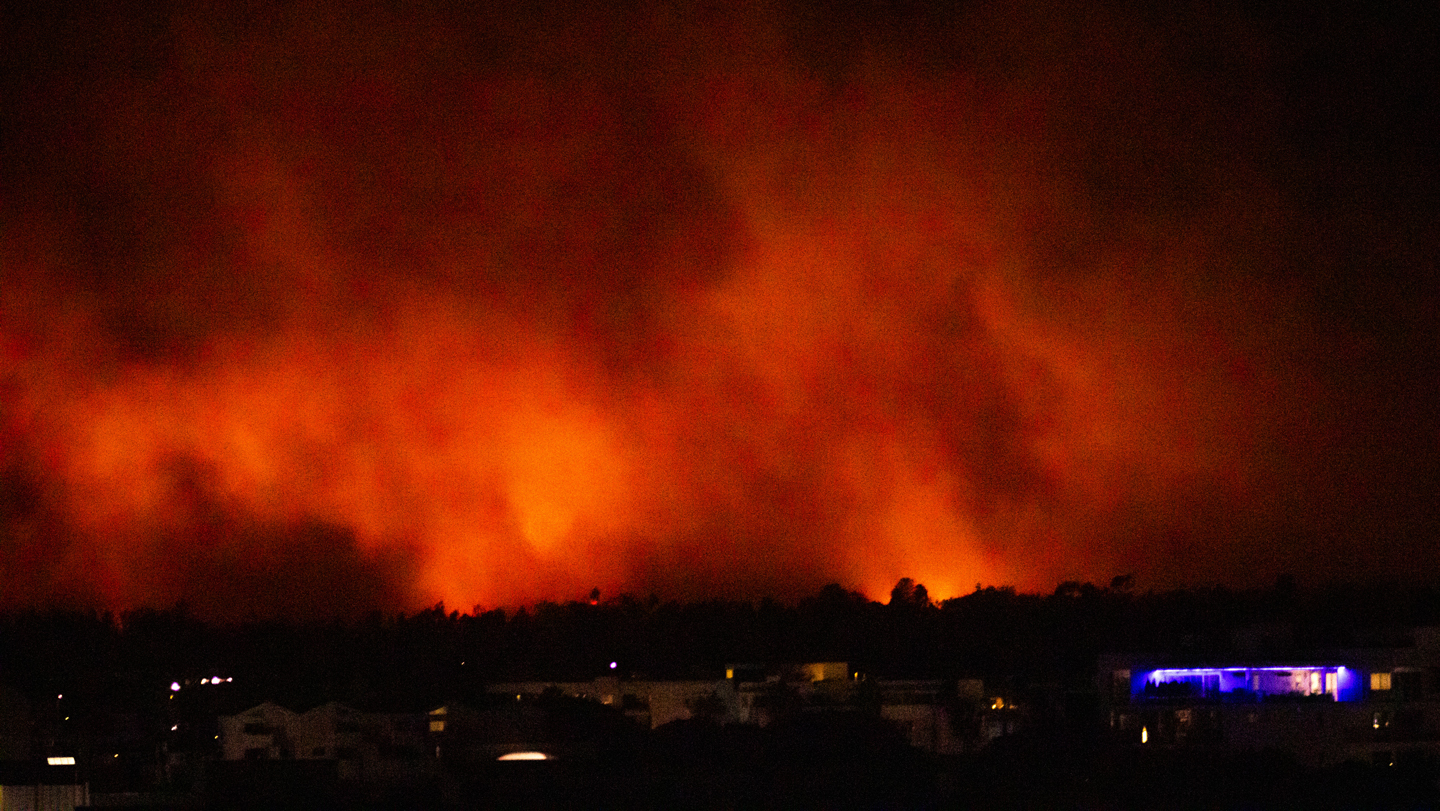
The human impact of this warming became increasingly visible and devastating in 2025. Extreme weather events exacerbated by rising temperatures – including destructive wildfires, deadly heat waves, and catastrophic flooding – affected communities worldwide. The World Weather Attribution, a global consortium of climate scientists, documented these events throughout the year. More than half the planet experienced an increase in days with dangerous heat stress, defined as temperatures exceeding 40°C (104°F). These conditions not only threaten human health directly but also strain agricultural systems, water supplies, and infrastructure worldwide.
Looking ahead, scientists remain cautious but concerned about future projections. “Will 2026 be more exceptional? It’s too early to tell,” Burgess acknowledged. However, the overall trend leaves little room for optimism without significant intervention. There’s an 80 percent chance that at least one of the next five years will surpass 2024’s record heat. The last eleven years have consecutively ranked as Earth’s hottest on record, and Burgess expects this streak to continue: “My expectation is that next year will be 12 out of 12.” This unbroken chain of record-breaking years underscores the urgent need for meaningful climate action to mitigate further warming and adapt to the changes already set in motion by our warming world.