






Climate Change May Have Doomed the Real-Life Hobbits of Indonesia
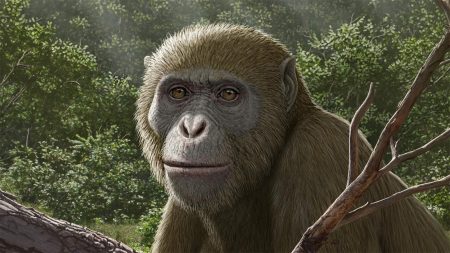
A groundbreaking climate study reveals that Homo floresiensis, the diminutive human relatives affectionately dubbed “hobbits,” likely faced severe environmental challenges before vanishing from their Indonesian island home. These remarkable beings, standing just three feet tall, may have succumbed to a perfect storm of ecological stress and changing conditions, according to research published in Communications Earth & Environment.
The study provides the first comprehensive climate record for Flores Island, offering crucial insights into the mysterious disappearance of these ancient hominins. “This is the first good, quality climate record for the region,” explains Nick Scroxton, a paleoclimatologist at Maynooth University in Ireland. His team’s findings suggest that while multiple factors likely contributed to the hobbits’ extinction, “the climate almost certainly played a big role.”
Scientists made this discovery by analyzing a stalagmite from a cave on Flores, which preserved a detailed rainfall history spanning thousands of years. Stalagmites form as water trickles through cave ceilings, trapping chemical signatures that reflect environmental conditions at specific points in time. By examining shifts in magnesium and calcium levels, as well as oxygen isotope patterns, researchers reconstructed the prehistoric climate with remarkable precision.
The evidence reveals a troubling pattern: mean annual rainfall decreased significantly from about 76,000 to 61,000 years ago, followed by especially severe summer droughts between 61,000 and 55,000 years ago. During this critical period, summer rainfall dropped to approximately 450 millimeters—roughly half the amount the region receives today. This intensifying aridity would have transformed the landscape dramatically, drying up highland rivers that were crucial water sources for both the hobbits and their prey.
Particularly affected were the Stegodon, elephant-like creatures that constituted a major food source for Homo floresiensis. Michael Gagan, a paleoclimatologist at the University of Wollongong and study co-author, notes that Stegodon fossils from Liang Bua cave show they vanished from the site around 57,000 years ago, “when summer rainfall dropped to record lows.” Without these animals, the hobbits would have faced significant food shortages, adding to their environmental stress.
Julien Louys, a paleontologist from Griffith University not involved in the study, considers this research a breakthrough, saying it “provides a very strong mechanism to explain the extinction of the larger-bodied mammals from Flores towards the end of the Pleistocene.” The climate data correlates directly with evidence found in Stegodon teeth, confirming these environmental changes affected the island’s ecosystem profoundly.
What happened after the droughts remains speculative. Scroxton suggests that Stegodon may have migrated to coastal areas where water remained accessible, with hobbits potentially following their food source. This relocation could have brought them into contact with Homo sapiens moving through Southeast Asia around the same time. Additionally, a volcanic eruption occurred in the vicinity approximately 50,000 years ago. “It’s all about stresses,” Scroxton explains, suggesting that multiple factors likely combined to seal the fate of these remarkable beings.
While the hobbits disappeared from Liang Bua cave about 50,000 years ago, researchers remain hopeful that evidence of their survival elsewhere might still be discovered. Finding additional Homo floresiensis sites could reveal whether these fascinating human relatives managed to endure in other parts of the island, perhaps for thousands of years after leaving their highland home. For now, this climate record provides our clearest window yet into the challenging environmental conditions that contributed to the twilight of the real-life hobbits of Indonesia.