






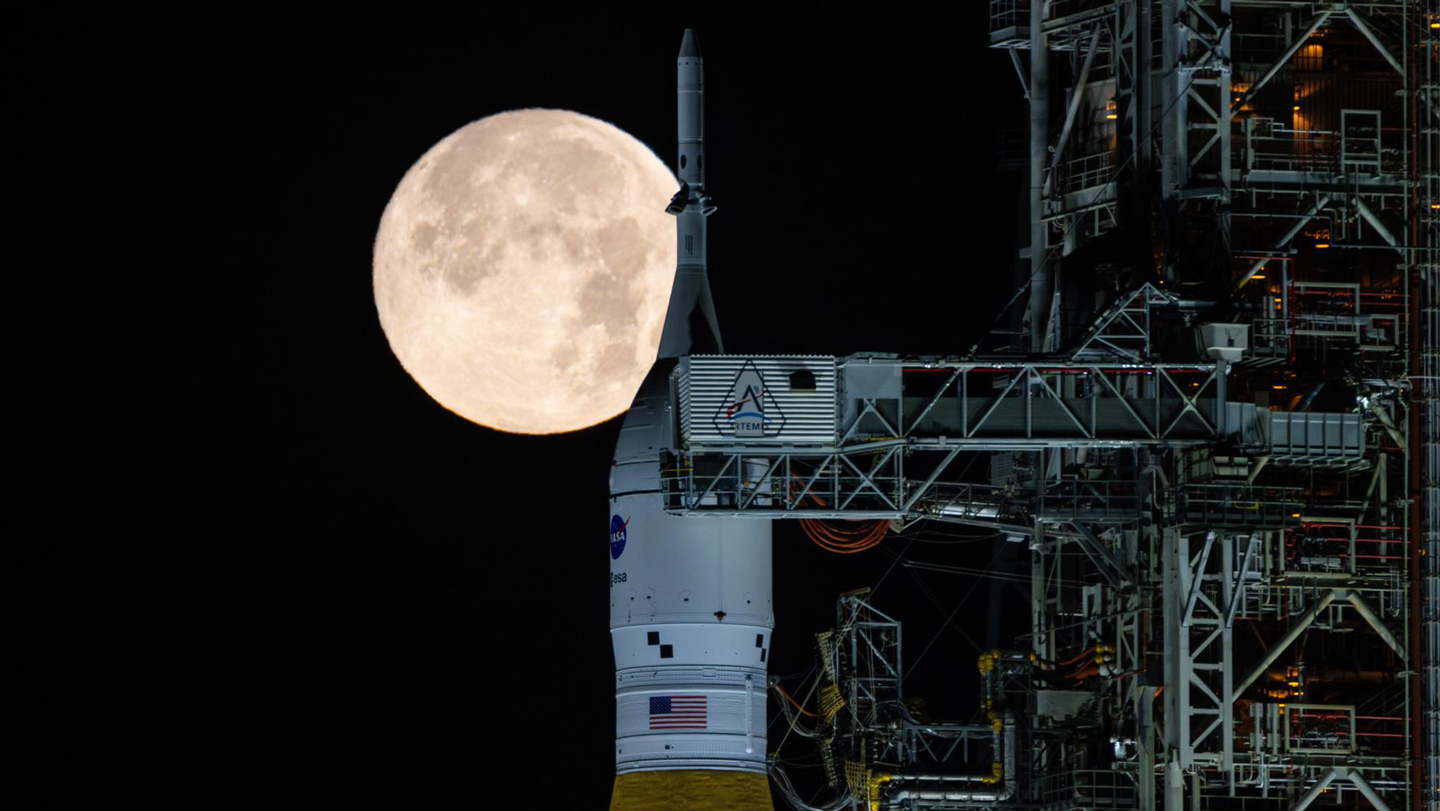
It’s been over half a century since humans last gazed upon the moon from so close, and now, with hearts racing and minds buzzing with wonder, we’re on the brink of that magical return. The Artemis II mission, poised to launch as early as March 6, promises to send four brave astronauts—Reid Wiseman, Victor Glover, Christina Koch, and Jeremy Hansen—looping around our silvery neighbor in NASA’s sleek Orion capsule. Tethered to the mighty Space Launch System rocket, these explorers will venture farther from Earth than any before them, echoing the pioneering spirit of Apollo 8. Imagine the awe as they witness the lunar landscape firsthand, a testament to human ingenuity and the insatiable pull of the cosmos. Planetary scientist Marie Henderson, stationed at NASA’s Goddard Space Flight Center, feels the excitement bubbling within her team. “For so long, we’ve heard, ‘We’re going back to the moon,’” she reflects, her voice tinged with anticipation. This generation of scientists isn’t just spectators; they’re active participants in a story unfolding right now, bridging past triumphs with future dreams.
But like any grand adventure, this journey hasn’t been without its bumps. Originally slated for February 6, the launch was delayed after a “wet” dress rehearsal revealed a pesky leak in the hydrogen propellant system. NASA, ever cautious, opted for extra tests and another practice run, pushing the timeline to March to ensure everything is shipshape. It’s a reminder that space exploration demands patience—after all, we’re not just sending machines; we’re sending people who embody our hopes. Artemis II won’t actually touch down on the moon; that’s saved for later missions still in the planning. Instead, it’s a high-stakes practice run, much like Apollo 8’s maiden orbit in 1968. Space historian Teasel Muir-Harmony draws parallels, noting how Apollo 8’s primary goal was to beat the competition, with science playing a supportive role. Artemis II flips that a bit, weaving technology tests with genuine discovery, where survival in deep space and lunar insights go hand in hand.
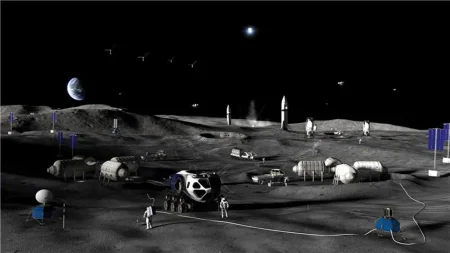
Picture the Orion capsule parting from its earthly orbit, pirouetting twice around our planet as if practicing its dance steps, before igniting toward the moon on a mesmerizing figure-8 path. The entire odyssey spans 10 days, stretching humanity’s reach to about 400,000 kilometers away—a distance that stirs a mix of fear and exhilaration. At its core, Artemis lays the foundation for a permanent foothold on the moon and eventual Mars voyages. Science, once an afterthought, now pulses through every aspect. Astronauts will don wristbands tracking their movements, sleep, and stress, like portable diaries of the soul. Pocket radiation sensors will capture the unseen dangers of cosmic rays, and saliva samples will reveal immune shifts. Even a tiny “organ-on-a-chip”—mimicking their bone marrow—will travel along, letting researchers study genetic changes back home through cells drawn from their own blood. It’s intimate, personal, turning the crew into living experiments, their bodies a mirror to the vast unknowns.
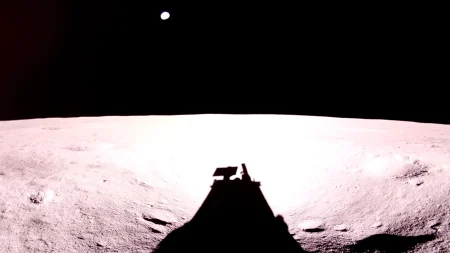
And then there’s the moon itself, a silent star of this scene. Artemis II could gift human eyes their first glimpse of the elusive lunar farside, that mysterious half hidden from us. Sure, robots have sent back images and samples—like China’s Chang’e-6 in 2024—but nothing compares to the nuanced vision of the human heart. Cameras spot the big stuff, but our eyes catch the subtleties: a meteorite’s flash forming a fresh pockmark, colors dancing in varied light, textures telling ancient tales. Henderson recalls how Apollo 17 astronauts spied orange soil from orbit, leading to volcanic clues from eons past. Here, the crew will circle just once, affording only hours of frantic observation. Yet, those fleeting moments could unveil treasures cameras overlook, a blend of artistry and science born from curiosity.
Training for this hasn’t been a chore; it’s been an odyssey of discovery, transforming pilots into poets of the stars. While Apollo 8’s fighter jocks crammed geology on the fly, Artemis astronauts dive deep with classroom lessons, “moon homework” assignments, and rugged expeditions to Earth’s lunar-like spots—like Iceland’s lava fields or Arizona’s craters. They’ve rehearsed on an inflated moon suspended from cranes, simulating flybys in makeshift Orion surrogates. Behavioral simulations bond crew and scientists, fostering trust amid the chaos. Henderson marvels at the crew’s depth: Hansen with his physics master’s, Koch’s polar fieldwork wisdom. “Our astronauts are scientists themselves,” she says, their eyes sharpening the mission’s scientific harvest. No longer fragmented snippets, but a symphony of data ready to be unraveled.
Stepping into the future, roles like Henderson’sDeputy Lunar Science Lead and Kelsey Young’s Science Officer mark a new era, unheard of in Apollo times. During the lunar pass, Henderson’s team of geologists will huddle in the brand-new Science Evaluation Room, analyzing streams of data, whispering questions to guide the crew. An interactive map of lunar must-sees will populate the astronauts’ tablets post-launch, adaptable to the moon’s ever-shifting position. Uncertainty looms—like not knowing visible features until days in—but Henderson radiates calm optimism. “There are so many areas where I’d be ecstatic,” she enthuses. Launch on March or whenever, the magic awaits. As humanity inches closer to the stars, Artemis II isn’t just a mission; it’s a heartfelt embrace of the unknown, where science and exploration intertwine in the tapestry of our dreams. With every heartbeat, we extend our reach, forever curious, forever human.