



Young Chimps: The Daredevils of the Animal Kingdom
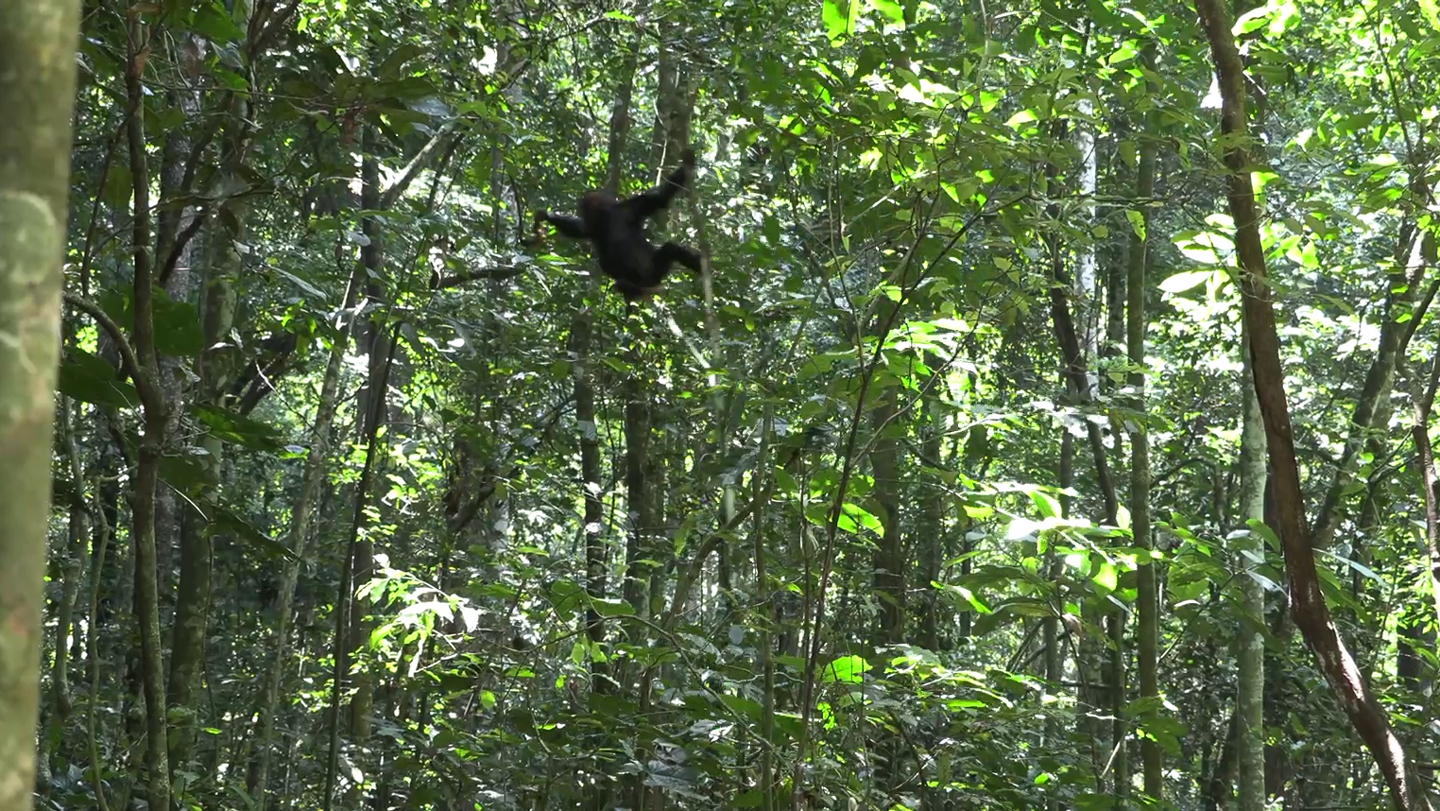
In the lush forests of Uganda’s Kibale National Park, young chimpanzees display a fearlessness that would make any human parent’s heart skip a beat. Toddler chimps, aged between 2 and 5 years old, are the true daredevils of their communities, regularly engaging in hair-raising acrobatics high in the forest canopies. Recent research published in iScience reveals these young chimps are three times more likely than their adult counterparts to free-fall between branches or make death-defying leaps across gaps in the treetops. This risky behavior gradually decreases by approximately 3 percent each year after age 5, suggesting a natural developmental trajectory of risk assessment in our closest evolutionary relatives.
The stark difference between human and chimpanzee parenting styles may explain why we don’t typically see human toddlers engaging in similarly dangerous activities. As biologist Lauren Sarringhaus of James Madison University points out, “If humans scaled back their oversight, our kids would be way more daredevilish.” While chimp mothers parent largely alone, with no help from fathers, grandmothers, or other community members, human societies are characterized by “alloparenting” – care provided by individuals beyond the biological parents. This distributed caregiving system allows for greater supervision of young children, effectively limiting their opportunities for dangerous exploration. Although young chimps cling to their mothers for their first five years, by age two they begin independent exploration, often at heights where maternal intervention is impossible.
The research team meticulously documented the behavior of over 100 chimpanzees ranging from 2 to 65 years old as they navigated the forest canopy. Their observations revealed fascinating patterns across different age groups. Besides the remarkable risk-taking of the 2-5 year olds, adolescent chimps (ages 10-14) were no slouches either, engaging in risky maneuvers twice as often as adults. In contrast, among humans, teenagers typically represent the peak age for risky behavior, as evidenced by higher rates of broken bones and injury-related mortality compared to other age groups.
These dangerous arboreal activities come with significant consequences. Previous research has shown that approximately one-third of chimpanzees exhibit evidence of past bone fractures. However, there’s an evolutionary logic to the timing of this risk-taking behavior. Younger, smaller chimps – like human children – have more malleable bones and lighter bodies, making them less likely to suffer catastrophic injuries from falls. This makes early childhood an optimal period for exploring physical limits and developing crucial motor skills, despite the inherent dangers.
Lou Haux, a psychologist and primatologist at the Max Planck Institute for Human Development who wasn’t involved in the study, describes this research as “really exciting” because it examines “how caregiving influences risk-taking behavior.” This perspective helps contextualize modern Western parenting approaches, which have increasingly trended toward intensive supervision. Many developmental experts have expressed concern about the rise of “helicopter parenting” and the corresponding decrease in unsupervised outdoor play compared to previous generations.
Sarringhaus emphasizes that her research isn’t intended to generate specific parenting advice. Instead, it offers a broader evolutionary perspective on human development and the unique caregiving arrangements that have evolved in our species. As Haux notes, this type of comparative research helps us understand the origins of our protective parenting instincts: “We try to build a very safe space around our children… How did all this evolve?” By observing the natural risk-taking behaviors of young chimps in their native habitat, we gain valuable insights into the delicate balance between protection and exploration that shapes development across primate species, including our own.