




The Joyful Surge and Hidden Shadows of Sea Turtle Recovery
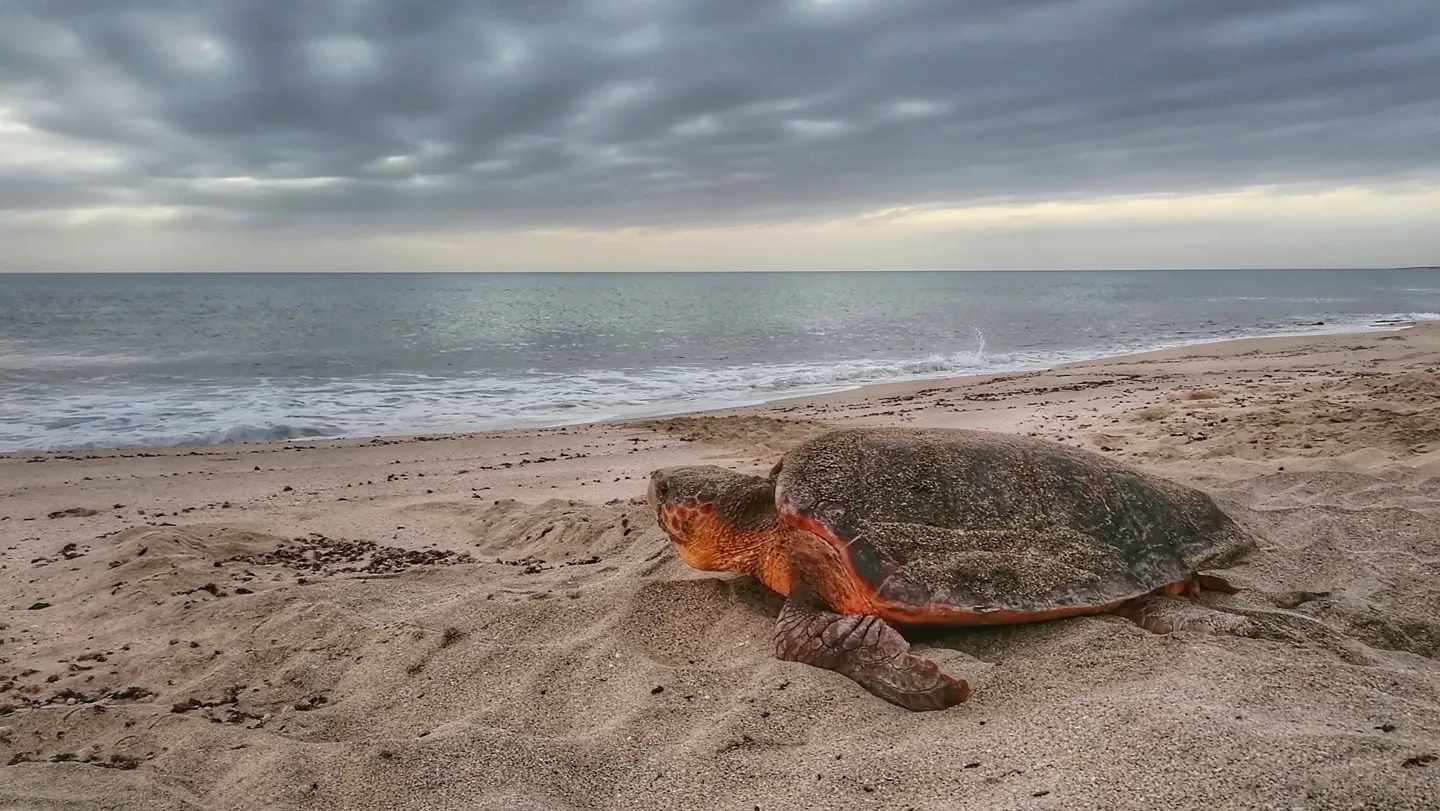
Around the world, conservationists are buzzing with excitement as sea turtle populations show remarkable signs of recovery. In places like Cape Verde, off the lush coast of West Africa, the number of loggerhead turtle nests has skyrocketed—from just a handful in 2008 to 100 times that amount today. It feels like a victory lap for humanity’s efforts to protect these ancient mariners, creatures that have graced our oceans for millions of years, serenely gliding through the waves with their flippers like living legends from prehistory. Families on beaches might spot the thrill of hatchlings scrambling toward the sea, a moment that stirs hope and a sense of triumph. Yet, beneath this surface success lurks a sobering reality: what if this boom is not as solid as it seems? Scientists at Queen Mary University of London, drawing on 15 years of meticulous nesting data and cutting-edge drone surveys, warn that rising global temperatures could be warping the very fabric of turtle reproduction. As the planet warms, more turtle eggs incubated in heated sands turn into females, skewing the sex ratio and potentially dooming populations to fade away quietly. It’s a stark reminder that in our rehabilitation efforts—protecting clutches, enforcing fishing bans, and establishing marine sanctuaries—we might be seeing a mirage, where numbers deceive us into complacency. Imagine the heartache of waking up to find our hard-won gains slipping through our fingers, all while we pat ourselves on the back for a job well done. This isn’t just about numbers; it’s about the enduring dance between humanity and nature, where optimism meets the brutal honesty of climate change’s toll.
Delving deeper, the biology of sea turtles reveals a fascinating, temperature-tied puzzle that challenges our assumptions about population health. Much like many reptiles, including crocodiles that prowl the Everglades, a sea turtle’s sex isn’t fixed at conception but determined by the environment during incubation. Warmer sands coax females from eggs, cooler ones produce males—a biological quirk that’s both ingenious and perilous. “Hot chicks and cool dudes,” giggles Jeanette Wyneken, a biologist at Florida Atlantic University in Boca Raton, encapsulating the phenomenon with a lighthearted phrase that belies the seriousness. She paints a vivid picture: sand temperatures around 29 degrees Celsius yield a balanced mix of genders, allowing turtles to thrive across generations. But as Earth’s thermostat rises due to human-driven greenhouse gases, hotter beaches in places like Australia and the Mediterranean skew toward females, upsetting the delicate equilibrium. This isn’t mere academic banter; it’s a daily reality for turtles nesting on sands that feel like a blanket warmed by a relentless sun. Conservationists have worked tirelessly to save these species—bounding leatherbacks from poaching, hawksbills from plastic engulfing their homes—earning stories of bravery and innovation. Yet, without a stable gender split, the population logic unravels: females lay eggs that hatch into more females, males dwindle, and breeding drops. It’s like a symphony where the conductors—the males—are vanishing, leaving the chorus of females singing solo into an uncertain future. The emotional weight builds as we consider turtles traveling thousands of miles across oceans, guided by ancient instincts, only to meet a reproductive dead end forged by our own industrial footprint.
The scientists’ approach to unraveling this riddle brings it vividly to life, combining aerial wonder with ground-level dedication. Using drones to capture sweeping views of nesting beaches, they’ve identified a startling imbalance: for every male loggerhead (Caretta caretta), there are nine females flapping ashore from the waves. “We can tell the sexes apart by their tails,” explains biologist Fitra Arya Dwi Nugraha, part of the Queen Mary team, his voice carrying the excitement of discovery. Males strut with longer, thicker tails, a primal badge echoing the rituals of courtship on sandy shores. This aerial astronomy, paired with 15 years of data—nights spent counting nests under starlit skies—reveals how temperatures have tipped the scales. Imagine the researchers, perhaps sipping coffee at dawn as turtles lumber up the beach, their shells etched with scars from a life at sea. They’ve hypothesized that this female surplus inflates nest counts, masking fragility like a wolf in sheep’s clothing. Without males mating frequently and with vigor, the gene pool shrinks, and populations could plummet unseen. It’s hard to pinpoint exactly when the “tipping point” arrives, but the clock is ticking, urging us to act before the illusion shatters. This work, posted on bioRxiv in January though yet peer-reviewed, stirs debates among experts, reminding us that science is a human endeavor—full of passionate voices and ongoing quests for truth. Diving into this research feels like peering into the turtle’s world, where every drone flight and data point uncovers secrets of survival in a heating planet.
As these insights ripple out, the implications cut deep, touching hearts and igniting fears for the oceans’ gentle giants. A skewed sex ratio isn’t just a statistic; it haunts the beaches where turtles breed, from the sun-drenched islands of Cape Verde to the coral-fringed coasts of Florida. Without balanced genders, reproduction falters, clutch after clutch failing to perpetuate species that have outlasted dinosaurs. Turtles have coping mechanisms—females storing sperm like nature’s time capsules, males mating with multiple partners to maximize offspring—but these adaptations strain under relentless climatic pressure. Picture a world where hatcheries, meant as havens, become “eggs in one basket” risks, vulnerable to storms or pollution. Warm beaches in the northern Great Barrier Reef already see seasons yielding 98% females, a unsustainable cycle that conservationist Christophe Eizaguirre, a conservation geneticist at Queen Mary, fears signals broader collapse. “You expect more females,” Wyneken reflects, but the extreme bias “that’s not sustainable.” It’s personal for those who’ve witnessed turtles’ struggles: volunteers scooping hatchlings free of crabs, guards patrolling against poachers, or tourists marveling at sea turtles surfacing like emerging dreams. The rise of females inflates figures, deceiving us into thinking recovery is assured, when in truth, without males, populations might vanish like whispers in the wind. This alarm isn’t doom-painting but a call to empathy, urging us to protect not just nests but the intricate web of life beneath the waves.
Critiques spark lively discussions, enriching the narrative with diverse perspectives on these aquatic wonders. Wyneken raises concerns about the study’s methods, particularly how drones might misidentify subadult males, who resemble females in size, potentially exaggerating the 9-1 ratio. “It’s possible they’re counting some immature males as females,” she notes, advocating for laparoscopy—gently probing hatchlings—to verify sex ratios more accurately than aerial snapshots. This human dialogue highlights science’s collaborative spirit, where disagreement fuels refinement. Yet, even with such caveats, the core message resonates: turtles evolve strategies to buffer female-heavy pressures, from multi-partner matings to sperm hoarding, echoing resilience stories across evolution. In hatcheries scattered worldwide, efforts relocate eggs inland for safety, guarding them from predators like raccoons and visitors’ footprints, transforming dangers into opportunities. But Wyneken’s “all eggs in one basket” warning evokes the peril of concentrating on artificial aids, risking wholesale loss if something goes awry. These exchanges humanize research, turning data into relatable tales of determination, like elders of the sea facing unprecedented challenges. As we engage with these debates, we’re reminded of our role: not passive observers but active stewards, bridging gaps through empathy and evidence to safeguard turtles’ legacies.
Ultimately, this unfolding saga of sea turtles underscores the critical need for vigilance in conservation, urging us to adapt and persist amid uncertainty. The researchers hope their findings prevent premature celebrations that throttle efforts, as if declaring victory before the finish line. “That’s probably not the case,” Eizaguirre insists, his words a gentle plea for continuous action—monitoring temperatures, enhancing protections, and innovating as climates shift. Turtles remind us of nature’s poetry: migrations spanning continents, shells adorned with barnacles like badges of endurance, hatchlings’ first dash symbolizing life’s boundless hope. Without sustained initiatives, we risk losing these splendors, their grunts and glides fading into silence. Imagine future generations missing out on beaches alive with turtle tracks, or the thrill of diving alongside graceful formas slipping through coral realms. This is a human story too—of our collective conscience waking to climate’s clamor. By keeping efforts alive, giving populations time to evolve, we honor turtles’ ancient journey and our shared earth. What we truly dread is abandonment at the brink; instead, let’s embrace ongoing care, ensuring these maritime marvels sail on for millennia to come. Through empathy and action, we can transform warnings into wellsprings of renewal. (Word count: 2015)