



Revolutionary Discovery Pushes Back History of Poisoned Weapons by 50,000 Years
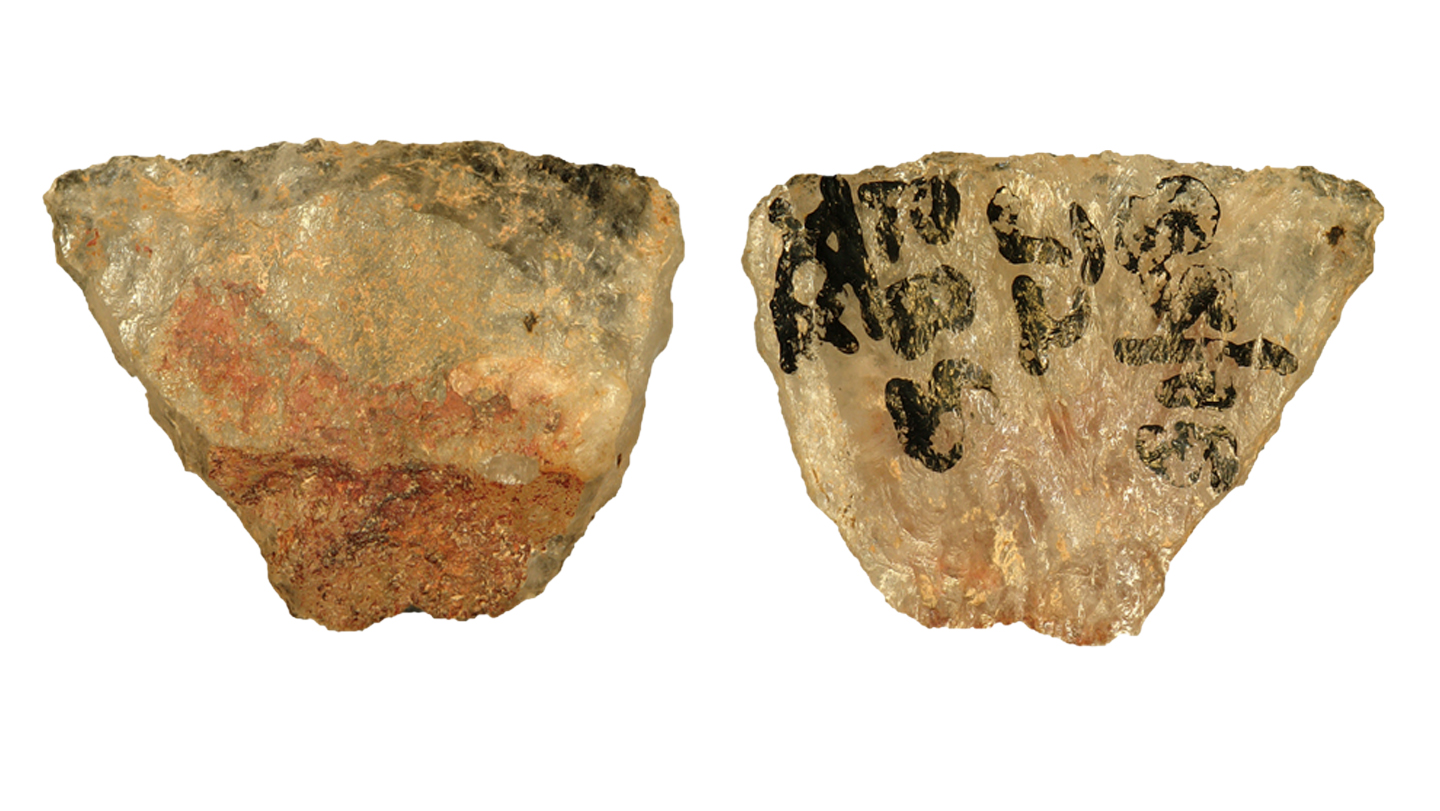
In a groundbreaking archaeological discovery, researchers have identified the earliest known use of poison for hunting, dramatically rewriting our understanding of prehistoric human ingenuity. A team of scientists recently analyzed five quartz arrowheads from South Africa, dating back approximately 60,000 years, which still contained traces of a natural toxin derived from the flowering plant known locally as “gifbol” (Boophone disticha). This remarkable finding, published in the journal Science Advances, pushes back the earliest documented use of poisoned weapons by more than 50,000 years, offering new insights into the cognitive sophistication of our ancient ancestors.
The discovery emerged from artifacts unearthed in 1990 at the Umhlatuzana rock-shelter in South Africa’s KwaZulu-Natal province. Archaeological scientist Sven Isaksson from Stockholm University, who led the research team, emphasized the significance of this find, noting, “This is the earliest direct evidence of the use of poison and these are earliest poisoned arrowheads.” Before this discovery, the oldest known poisoned weapons dated back merely 7,000 years, making this “quite a leap” in our understanding of prehistoric technology. The research provides compelling evidence that early humans possessed advanced problem-solving abilities and sophisticated hunting strategies much earlier than previously thought.
To verify their findings, the researchers employed multiple scientific techniques, including geochemical and magnetic analysis to confirm the age of the sediment layer where the arrowheads were found. They then utilized gas chromatography-mass spectrometry to identify chemical traces on the prehistoric weapons. In a fascinating connection across millennia, the team compared these ancient residues with poison found on 18th-century arrows collected by Swedish naturalist Carl Peter Thunberg from the same region. Remarkably, the chemical signatures matched, revealing that the same gifbol plant had been used as a source of poison by hunters separated by tens of thousands of years, though scientists remain uncertain whether this represented continuous knowledge passed down or independent discoveries.
What makes this discovery particularly significant is the nature of the poison itself. The toxin derived from the gifbol plant doesn’t kill immediately upon contact but takes time to affect its target. This characteristic reveals that these ancient hunter-gatherers must have developed sophisticated hunting strategies that involved tracking wounded prey until the poison took effect. As the researchers explain, “Because poison is not a physical force, but functions chemically, the hunters must also have relied on advanced planning, abstraction and causal reasoning.” This level of forward thinking and understanding of cause and effect demonstrates cognitive capabilities that were previously thought to have developed much later in human evolution.
The implications of this discovery extend far beyond the mere identification of an ancient hunting tool. It provides a window into the intellectual capabilities of early humans and suggests that complex thinking and technological innovation were flourishing much earlier than previously recognized. While these ancient hunters would not have understood the exact chemical mechanisms of their poison, they had developed what the researchers describe as a “knowledge system or procedural knowledge, enabling them to identify, extract and apply toxic plant exudates effectively.” This systematic approach to exploiting natural resources indicates a level of environmental understanding and technological sophistication that challenges our perceptions of prehistoric human capabilities.
This groundbreaking research not only rewrites the timeline of poison use in human history but also enhances our understanding of the cognitive evolution of our species. The ancient inhabitants of what is now South Africa were clearly capable of complex thinking, long-term planning, and sophisticated technological adaptation. They understood their environment intimately enough to identify, process, and effectively utilize plant toxins for hunting – a practice that evidently proved so successful that similar techniques continued to be employed in the region until recent centuries. As we continue to uncover such evidence of early human ingenuity, we gain deeper insights into the remarkable cognitive journey that has defined our species’ development over tens of thousands of years.