






Ukraine-Russia Negotiations: Territorial Disputes Remain a Key Obstacle to Peace
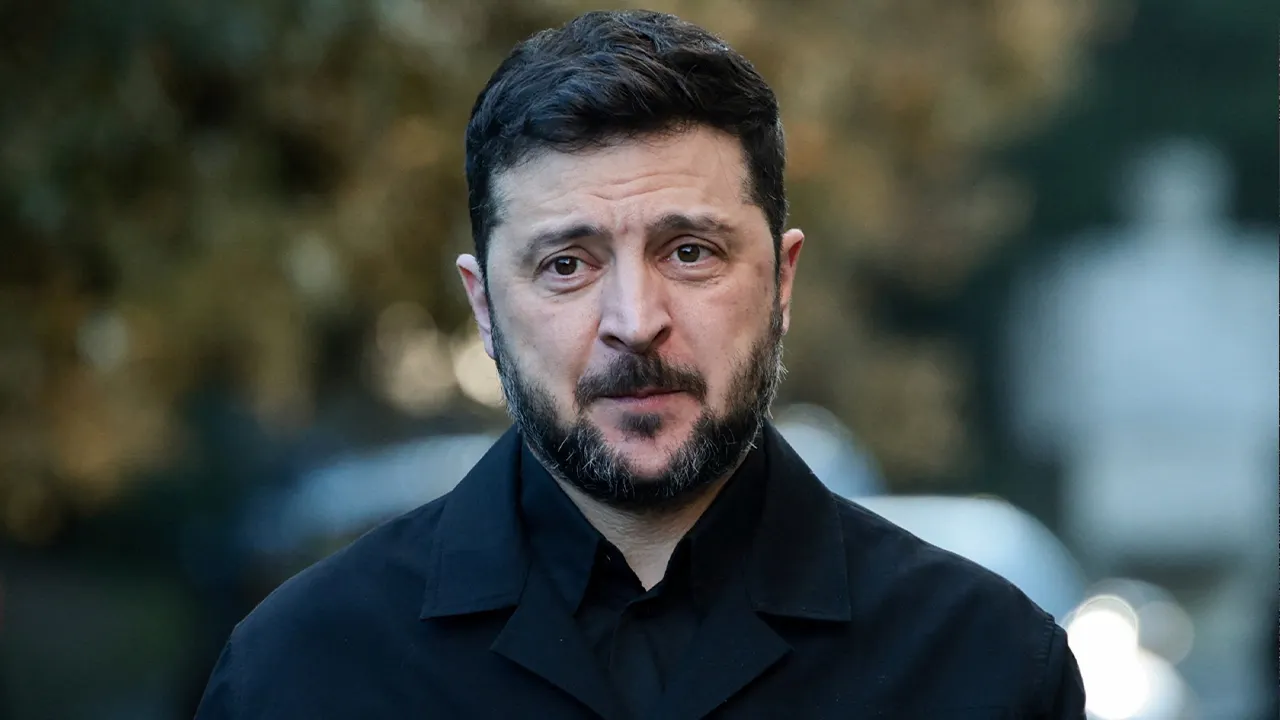
In the ongoing efforts to negotiate peace between Ukraine and Russia, territorial disputes have emerged as the most significant barrier to reaching an agreement. Following a meeting between Ukrainian President Volodymyr Zelenskyy and former President Donald Trump at Mar-a-Lago, Zelenskyy expressed cautious optimism about the prospects for peace, telling Fox News’ Bret Baier that they were “very close” on many issues. However, he emphasized that the status of territories currently occupied by Russian forces remains the primary sticking point in negotiations. This challenging issue continues to divide the two nations as international stakeholders, including Trump, attempt to broker an end to Europe’s longest war in eight decades.
The territorial question strikes at the heart of both nations’ positions on sovereignty and security. Zelenskyy has been understandably reluctant to permanently cede Ukrainian land that Russian forces have occupied since the 2022 invasion, while Russian Foreign Minister Sergei Lavrov has insisted that Western nations must acknowledge Russia’s battlefield advantage. In a potential compromise, Zelenskyy has suggested that Ukraine might consider withdrawing from the provinces of Donetsk, Luhansk, Kherson, and Zaporizhzhia – regions that Russia seeks to annex – but only if Ukrainian citizens approve such a move through a referendum. He outlined a possible scenario involving a “free economic zone” where both sides would withdraw troops some distance, creating a buffer governed by “specific rules,” with the Ukrainian people ultimately deciding whether to accept such an arrangement.
Despite these diplomatic efforts, trust remains in short supply between the warring parties. Zelenskyy was candid in his assessment of Russian President Vladimir Putin’s intentions, stating bluntly, “I don’t trust Putin. He doesn’t want success for Ukraine.” The Ukrainian leader suggested that while Putin might say the right things to President Trump about wanting peace, his actual intentions are quite different. This fundamental lack of trust complicates any negotiations, as agreements on paper must be backed by confidence that all parties will honor their commitments. Meanwhile, hostile actions continue on both sides, with Russia launching attacks on Kyiv and claiming that Putin’s home in the Novgorod region was targeted by Ukrainian drones – an allegation that Ukraine denies.
Despite these challenges, Zelenskyy emerged from his meeting with Trump expressing that they had reached 90% agreement on a draft 20-point peace plan. This suggests substantial progress in aligning at least the Ukrainian and American positions on how to end the conflict, even as Moscow shows little indication of compromising on its territorial demands. Trump has positioned himself as a potential peacemaker in this conflict, having spoken with Putin by phone where both reportedly agreed on the necessity of reaching a deal to end the war. The former president’s involvement adds another dimension to the diplomatic efforts, though the ultimate decision-making power rests with the Ukrainian and Russian governments.
The human cost of this territorial dispute cannot be overlooked. Zelenskyy noted that Russia continues to suffer mounting casualties, yet Putin appears unwilling to change course. For ordinary Ukrainians living in contested regions, the negotiations represent far more than lines on a map – they determine whether families will be able to return to their homes, which country’s laws will govern their daily lives, and whether they’ll have the right to maintain their Ukrainian identity and culture. The proposed referendum would give these citizens a voice in determining their future, though conducting a free and fair vote in regions partially controlled by Russian forces presents significant logistical and security challenges.
As negotiations continue, the international community watches closely, recognizing that the resolution of this conflict has implications far beyond Ukraine’s borders. The outcome will set precedents for how territorial disputes are resolved in the 21st century and whether military aggression can successfully redraw international boundaries. While Zelenskyy and Trump may have made progress on many aspects of a potential peace plan, the fundamental question of territory – which regions belong to which country – remains unresolved. Until this core issue is addressed to the satisfaction of both Kyiv and Moscow, a comprehensive and lasting peace agreement will remain elusive, regardless of how much progress is made on other fronts. The path forward requires not just diplomatic skill but also the political courage to make difficult compromises while ensuring that the legitimate rights and security concerns of all parties are adequately addressed.