






Wyoming Supreme Court Strikes Down Abortion Restrictions, Highlighting Constitutional Tensions
In a significant ruling on Tuesday, the Wyoming Supreme Court invalidated two laws that restricted abortion access in the state, including the nation’s first explicit ban on abortion pills. The 4-1 decision sided with Wellspring Health Access—Wyoming’s only abortion clinic—and other plaintiffs who had challenged the constitutionality of abortion bans enacted after the U.S. Supreme Court overturned Roe v. Wade in 2022. Despite Wyoming’s deeply conservative political landscape, the court, composed entirely of justices appointed by Republican governors, upheld previous lower court rulings that found these abortion restrictions violated the state constitution, specifically a 2012 amendment that affirms the right of competent adults to make their own healthcare decisions.
The court’s ruling emphasized that while the 2012 healthcare amendment wasn’t explicitly written to address abortion, they could not “add words” to the state constitution to limit its application. The justices suggested that lawmakers could pursue a constitutional amendment if they wanted to more clearly address abortion restrictions. This legal interpretation represents a significant victory for abortion rights advocates in Wyoming, with Wellspring Health Access President Julie Burkhart celebrating the decision as an affirmation that abortion is “essential health care” that should remain free from government interference. The clinic, which opened in 2023 after recovering from a firebombing that delayed its launch, will continue providing abortion services without patients needing to travel out of state.
Republican Governor Mark Gordon expressed disappointment with the ruling and called on state lawmakers to pass a constitutional amendment specifically prohibiting abortion, which would then be put to a public vote this fall. Such an amendment would require a two-thirds vote to be introduced during the upcoming legislative session, though it would likely find considerable support in Wyoming’s Republican-dominated legislature. Governor Gordon emphasized that while the court ruling may settle the legal question temporarily, “it does not settle the moral one, nor does it reflect where many Wyoming citizens stand, including myself,” arguing that “it is time for this issue to go before the people for a vote.”
The court’s decision overturned two significant abortion restrictions: one that attempted to ban abortion with exceptions only for cases involving threats to a pregnant woman’s life or instances of rape or incest, and another that would have made Wyoming the only state to explicitly ban abortion pills. The state’s attorneys had argued that abortion cannot violate the Wyoming constitution because they consider it outside the realm of healthcare—a position the court ultimately rejected. Abortion has remained legal in Wyoming throughout the legal proceedings thanks to Teton County District Judge Melissa Owens, who initially blocked the bans while the lawsuit progressed and later struck down the laws as unconstitutional in 2024.
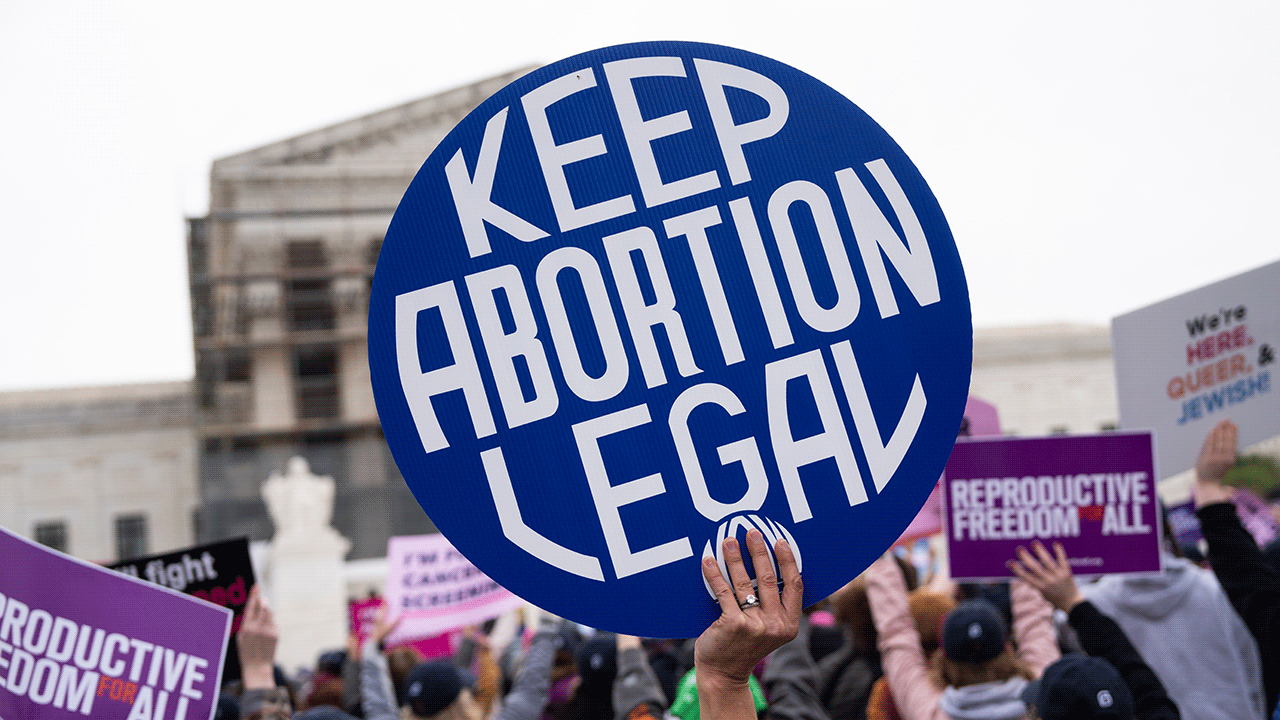
This ruling represents another chapter in the ongoing nationwide reconfiguration of abortion access following the Supreme Court’s decision in Dobbs v. Jackson Women’s Health Organization, which overturned Roe v. Wade and returned abortion regulation to the states. While many conservative states have enacted strict abortion bans, the Wyoming case demonstrates that state constitutions and their specific provisions regarding healthcare rights can serve as significant impediments to abortion restrictions, even in politically conservative regions. The decision also highlights the tension between different branches of government in addressing controversial issues, with the judiciary interpreting constitutional text in ways that may conflict with legislative intent.
The future of abortion rights in Wyoming remains uncertain, as the state passed additional laws in 2023 requiring abortion clinics to be licensed surgical centers and mandating ultrasounds before medication abortions. These provisions have also been temporarily blocked by judicial action in a separate lawsuit. The Wyoming case illustrates how the post-Roe legal landscape continues to evolve through state-by-state constitutional interpretations and legislative responses, with both abortion rights advocates and opponents adjusting their strategies to navigate this new terrain. As Governor Gordon calls for a constitutional amendment and abortion rights supporters celebrate their victory, Wyoming exemplifies the complex interplay between state constitutions, healthcare rights, and democratic processes that now characterize America’s abortion debate.