




WHO Expresses Regret Over US Withdrawal, Raising Global Health Concerns
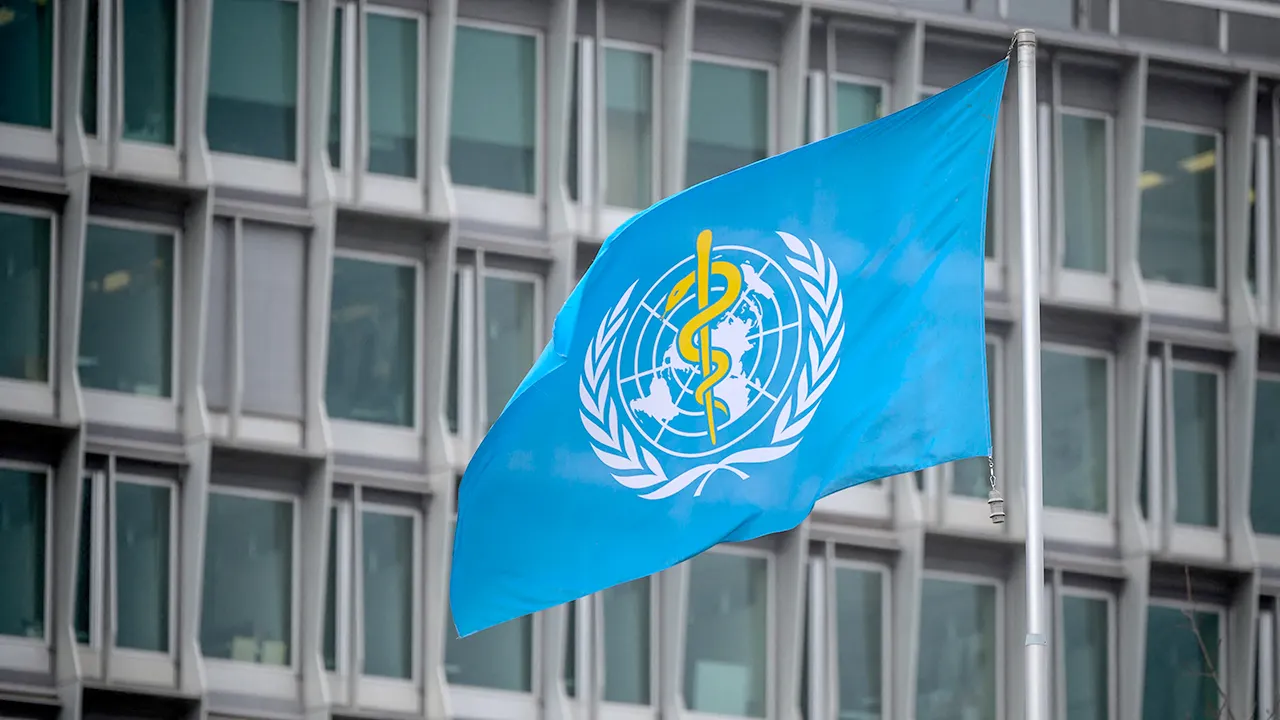
In a significant development that has sent ripples through the international health community, the World Health Organization (WHO) recently expressed deep concern over the United States’ formal withdrawal from the global health body. On January 24, the WHO released a statement lamenting this decision, warning that it makes “both the United States and the world less safe.” The organization’s response underscores the potential ramifications of this policy shift for global health governance and international cooperation during health crises. Despite this setback, the WHO expressed hope that the United States might someday return to active participation in the organization, signaling an openness to future reconciliation despite the current diplomatic rift.
The formal withdrawal, announced on January 22, 2026, marked the fulfillment of President Trump’s executive order signed on his first day back in office. In a joint statement, Secretary of State Marco Rubio and Health and Human Services Secretary Robert F. Kennedy Jr. declared that the United States was “freeing itself from [the WHO’s] constraints.” This decisive action represents the culmination of years of growing tension between the Trump administration and the WHO. The statement outlined immediate practical implications of the withdrawal, noting that “all U.S. funding for, and staffing of, WHO initiatives has ceased,” and that future engagement would be limited strictly to managing the withdrawal process and safeguarding American public health interests. This abrupt severing of ties with the world’s premier health organization signals a dramatic shift in U.S. foreign policy regarding global health cooperation.
At the heart of this diplomatic rupture lies a fundamental disagreement about the WHO’s purpose and neutrality. The U.S. administration justified its withdrawal by claiming the organization had “pursued a politicized, bureaucratic agenda driven by nations hostile to American interests.” This accusation strikes at the core of the WHO’s self-conception as an impartial technical agency dedicated to improving health outcomes worldwide. The WHO firmly rejected this characterization in its response, stating, “This is untrue. As a specialized agency of the United Nations, governed by 194 Member States, WHO has always been and remains impartial and exists to serve all countries, with respect for their sovereignty, and without fear or favor.” This stark difference in perspective highlights the deeper geopolitical tensions underlying what might otherwise appear to be merely a technical disagreement about health policy coordination.
The U.S. withdrawal from the WHO occurs within a broader context of American disengagement from multilateral institutions under the Trump administration. Earlier reports indicate that the President had been considering the creation of a “Board of Peace” to potentially replace functions of the United Nations, suggesting a more comprehensive reimagining of America’s relationship with international organizations. The UN Secretary-General had previously accused the U.S. of “ditching international law,” indicating that tensions extend beyond just the health sphere. This pattern of withdrawal from global governance mechanisms represents a significant shift in American foreign policy, prioritizing bilateral relationships and national sovereignty concerns over multilateral cooperation frameworks that have been central to the post-World War II international order.
The implications of America’s departure from the WHO extend far beyond symbolic politics. As one of the organization’s largest financial contributors and a scientific powerhouse, the U.S. has historically played a crucial role in global health initiatives ranging from disease surveillance to emergency response coordination. The withdrawal raises practical questions about funding gaps for essential health programs, potential disruptions to information sharing networks, and the future effectiveness of coordinated international responses to health emergencies. Public health experts worldwide have expressed concern that this development could weaken global pandemic preparedness at a time when infectious disease threats continue to emerge. Additionally, the absence of American expertise and resources might diminish the WHO’s capacity to address health challenges in vulnerable regions, potentially exacerbating global health inequities.
Despite the current impasse, the situation remains fluid, with potential for future policy shifts. The WHO’s statement expressing hope for eventual U.S. return suggests that bridges have not been permanently burned. Historical precedent shows that major policy positions regarding international organizations can change with new administrations or in response to global crises that demonstrate the value of multilateral cooperation. However, rebuilding trust and reestablishing working relationships becomes increasingly difficult the longer the separation persists. As this situation continues to evolve, health officials, diplomats, and citizens worldwide will be watching closely to see how global health governance adapts to the absence of one of its founding members, and whether alternative mechanisms emerge to fill the coordination gaps left by this significant diplomatic rupture.