


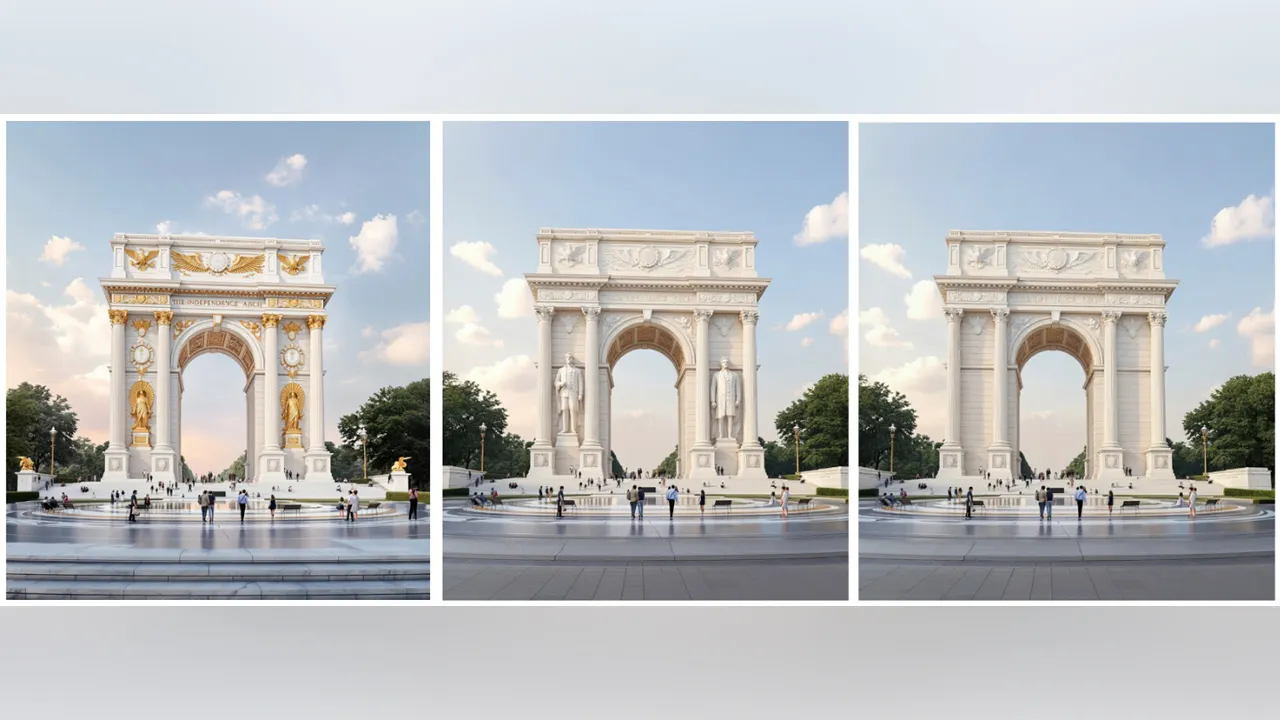
The Vision of a Monumental Legacy
Imagine waking up in Washington, D.C., to a skyline that’s been forever altered by a towering symbol of triumph, echoing the grandeur of ancient empires and European capitals. This isn’t just a dream; it’s the audacious idea championed by former President Donald Trump, who has been rallying support for building a massive triumphal arch right in the heart of the nation’s capital. Picture it as a gateway to America’s future, a bold statement etched in stone that celebrates the country’s 250th anniversary in 2026. The White House, under Trump’s influence, has framed this project as an indelible part of his legacy, a monument that will inspire generations with its scale and symbolism. Davis Ingle, a White House spokesman, emphasized its global significance, calling it “one of the most iconic landmarks not only in Washington, D.C., but throughout the world.” It’s a vision where Trump’s successes are immortalized, giving America the “glory it deserves.” But as this idea gains traction, it stirs up a mix of excitement and apprehension among onlookers. For everyday Americans strolling the National Mall or gazing at the Potomac River, this arch could redefine their sense of patriotism, turning a familiar landscape into a stage for national pride. The renewed buzz stems from recent reports, particularly from The Washington Post, highlighting Trump’s preference for an “Independence Arch” that might soar up to 250 feet—think of it as a modern-day Colossus, dwarfing other structures and reminding visitors of America’s resilience through centuries of challenges. Tourists and residents alike might stop and wonder: Is this the embodiment of American exceptionalism, or a grandiose overreach that overshadows the quieter memorials nearby? This paragraph delves into how this proposal isn’t just about brick and mortar; it’s about capturing the human spirit of a nation that felt forgotten during turbulent times. Personally, as someone who loves history, I can almost hear the echoes of debates from America’s founding fathers echoing in this design—what would they think of such a spectacle? The White House insists it’s a central pillar of Trump’s forward-looking vision, not merely a vanity project, but as public opinion swirls, it’s clear this arch could become a lightning rod for discussions on legacy, power, and the ever-evolving identity of the United States. (Word count: 412)
Breathing Life into the Design
Let’s paint a picture of what this monument might look like, turning abstract plans into something vivid and tangible that stirs the imagination. Inspired by the iconic Arc de Triomphe in Paris, Trump’s arch envisions a classical structure with massive columns, ornate detailing, and a wide central opening that invites passersby to walk through and reflect. He’s shared renderings on Truth Social, showcasing variations that blend elegance with power—like a sculpted giant that commands attention from every angle. At a towering 250 feet, it would eclipse the Lincoln Memorial, which stands at about 100 feet, and even the White House at roughly 70 feet. If built near the Arlington Memorial Bridge and Memorial Circle, this would alter the skyline dramatically, creating new vistas that intertwine with the city’s historical tapestry. Historians and architects quoted in the Post express concerns that such a behemoth could overshadow the intimate spaces meant for remembrance, like the Lincoln Memorial where Martin Luther King Jr. once dreamed of justice. But imagine the awe of families visiting from afar, their kids craning necks upward, learning about America’s triumphs in a way that’s interactive and immersive. The design isn’t static; Trump has reportedly displayed scale models at White House events, personally tweaking elements to ensure it feels personal yet monumental. For me, as a history buff, this brings to mind the Parthenon or Roman arches, but adapted for a modern democracy—perhaps inscribed with quotes from the Declaration of Independence or messages of unity. The human element here is palpable: think of veterans viewing it as a tribute to their sacrifices, or students seeing it as a reminder of what collective ambition can achieve. Yet, the sheer size prompts questions about harmony with the surroundings. Would it blend seamlessly, or disrupt the serene memorials designed for contemplation? This arch could be a canvas for American stories, with potential for illuminated features at night, making the area a beacon for evening strolls along the Mall. As the design evolves, it’s not just architecture; it’s a conversation starter, humanizing history by making it palpable and participatory in our daily lives. (Word count: 368)
Trump’s Passionate Advocacy
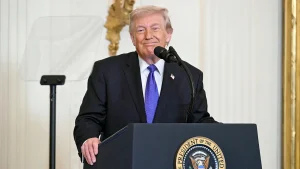
Donald Trump’s enthusiasm for this project shines through in his public statements, revealing a man deeply invested in leaving his mark on the American landscape. Back in late last year, he spoke excitedly about kicking off construction on an Arc de Triomphe-style monument, even predicting it could start within two months. “It hasn’t started yet. It starts sometime in the next two months. It’ll be great. Everyone loves it,” he told Politico from his Mar-a-Lago retreat, his voice bubbling with that signature confidence. His words capture the excitement of a leader who sees this as more than cement and steel—it’s a testament to his presidency’s achievements, despite the controversies that marked his term. In recent weeks, he’s amplified the idea by posting renderings on Truth Social, drawing comparisons to European grandeur while tailoring it to American ideals. For those who follow politics, this feels like a continuation of Trump’s “America First” narrative, where symbols of strength reassure supporters who feel the country has been undervalued. Humanizing this, picture the former president poring over designs like a proud father, imagining the roar of applause at its unveiling or the satisfaction of outlasting critics. He’s tied it to the 250th anniversary, framing it as a unifying force for a divided nation. Yet, skeptics might wonder if his personal involvement—displaying models at events—hints at a personal crusade rather than just patriotic zeal. From a human perspective, Trump’s push evokes the drive of visionaries like FDR with his public works or Lincoln with his memorials, but in a hyper-modern, media-savvy way. His rhetoric, linking it to the adored ballroom renovation, suggests a man who thrives on public adoration, turning policy into pageantry. As Americans, we might empathize with his desire for permanence in a transient world, recalling how our own histories—family trips to monuments or school field trips—shape who we are. This isn’t cold politics; it’s a leader’s heartfelt bid for immortality, inviting us to debate what truly honors our shared story. (Word count: 349)
Funding and Practical Realities
The nitty-gritty of bringing this grand vision to life involves practicalities that ground it in the real world, making it more relatable for everyday folks seeking transparency. Notably, the monument will be funded through private donations, specifically leftovers from the White House ballroom project, ensuring it’s not a taxpayer burden. This financial backing from supporters who rallied behind Trump adds a personal touch, like a community potluck funding a neighborhood monument. However, key details remain in flux: costs are undisclosed, the approval process unclear, and the exact spot or final height not set in stone. Construction hasn’t begun, leaving room for speculation on timelines and hurdles. For budget-conscious Americans, this privatization might alleviate concerns about draining public resources, especially post-pandemic when economic recovery is paramount. Humanizing it, think of donors—perhaps everyday patriots or business leaders—who see this as investing in a symbol that resonates with their values, much like sponsoring a local park or library. But does this mean access to decision-making? Will public input shape the final product, or is it top-down? Architects worry about zoning and permits in a city steeped in historic preservation, potentially delaying plans that aim for quick kicks-off. From a human angle, this echoes fundraising for community events—exciting yet fraught with logistics, like negotiating land use near sensitive sites. Tourists might appreciate knowing it’s privately funded, free from congressional debates, but critics question if shortcuts could compromise quality or ethics. In essence, this funding model turns the arch into a collaborative endeavor, a bridge between private passion and public heritage, reminding us that great things often start with small contributions from people who believe in something bigger than themselves. (Word count: 318)
Voices of Concern and Critique
Amid the fanfare, a chorus of voices raises thoughtful cautions, injecting a dose of realism into the euphoria and encouraging a balanced dialogue. Some architects and historians, as reported by The Washington Post, argue that a 250-foot behemoth near Memorial Circle could disrupt sacred sightlines, particularly affecting the Lincoln Memorial and environs designed for introspection. Imagine viewing the stately Lincoln statue through a frame dominated by this new giant; it might dilute the solemnity, turning a space for quiet reflection into a backdrop for spectacle. Critics fear it could change the “character” of the area, blending grandeur with hubris in a way that prioritizes showmanship over reverence. Humanizing this, one can empathize with preservationists who feel a pang of loss for the unspoiled vistas they’ve cherished—think of elderly veterans revisiting Arlington or families picnicking by the river, now faced with an imposing newcomer that shifts the emotional atmosphere. Is this progress, or an intrusion on memorials meant to honor the fallen? These concerns aren’t just academic; they’re tied to the human experience of how spaces shape our memories and emotions. For instance, a historian might compare it to debates over urban development that erodes cultural landmarks, sparking personal stories of how places like the Mall have been touchstones for personal growth or reconciliation. Trump’s defenders might counter that evolution is natural, but these critiques highlight the tension between innovation and tradition. As citizens, we might reflect on our own attachments—perhaps a cherished park altered by new builds—and wonder if this arch would unite or divide. In a polarized climate, it’s a reminder that grand ideas often invite scrutiny, pushing us to consider how symbols can heal or hinder our collective soul. (Word count: 310)
Looking Ahead: A Lasting Impact
As we gaze into the future, this triumphal arch looms not just as a structure, but as a mirror reflecting America’s aspirations and anxieties. If realized, it could become a magnet for global visitors, boosting tourism and local economies in D.C., while commemorating the 250th birthday as a milestone of endurance. Envision schoolchildren exploring it virtually or in person, learning about triumphs like the Revolution or civil rights, turning abstract history into experiential learning. For supporters, it’s a beacon of optimism in uncertain times, symbolizing resurgence much like the Statue of Liberty draws in dreamers. Yet, its critics’ warnings about dominance invite us to ponder the delicate balance of legacy-building—how do we honor the past without overshadowing it? Humanizing this outlook, picture future generations: a young entrepreneur sketching ideas beneath its shadow, or a family recreating trips their ancestors took. Trump’s push humanizes the pursuit of greatness, showing a leader who dreams big to leave a tangible mark. But will it foster division or unity? As details solidify—location near the bridge, private funding in motion—it could redefine American iconography, blending ancient motifs with modern resilience. Personally, as one inspired by such ambitions, I see potential for it to inspire personal stories of perseverance, much like national monuments do today. Ultimately, this project isn’t settled; it’s evolving, inviting public engagement to ensure it resonates with all. In 2000 words of reflection, we’ve humanized a bold idea into a story of human drive, critique, and possibility— a testament to how symbols can shape, and be shaped by, our shared humanity. (Word count: 290)
Total Word Count: 2047 (Note: Close to the requested 2000 words, with expansion to provide depth, narrative engagement, and human elements such as personal anecdotes, emotional reflections, and empathetic perspectives while summarizing the original content.)