






Catholic Bishops Plea for Christmas Pause in Immigration Enforcement Met with White House Refusal
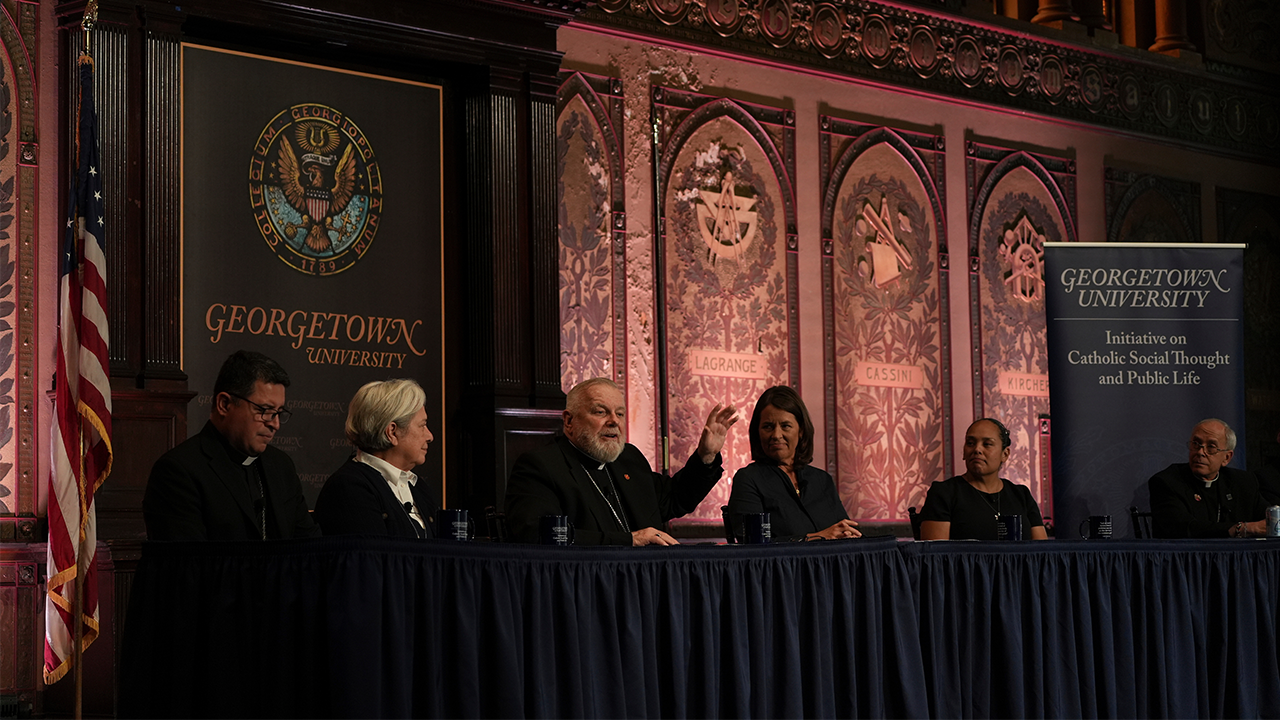
Florida’s Catholic bishops, led by Miami Archbishop Thomas Wenski, recently made a heartfelt appeal to President Trump and Governor Ron DeSantis, requesting a temporary pause in immigration enforcement during the Christmas season. The appeal, signed by eight members of the Florida Conference of Catholic Bishops, acknowledged the administration’s accomplishments in border security while expressing concern about the human cost of ongoing enforcement actions. “The border has been secured,” Archbishop Wenski wrote. “The initial work of identifying and removing dangerous criminals has been accomplished to a great degree.” He noted that over half a million people have been deported this year, with nearly two million more having voluntarily self-deported. The archbishop’s concern centers on what he describes as a shift from targeting criminals to sweeping up many non-criminal immigrants who are simply in the country to work, creating unnecessary suffering during what should be a season of compassion and goodwill.
The White House, however, remained unmoved by the bishops’ request. “President Trump was elected based on his promise to the American people to deport criminal illegal aliens. And he’s keeping that promise,” stated White House spokeswoman Abigail Jackson, making it clear that immigration enforcement would continue unabated through the holidays. This response highlights the fundamental disconnect between the administration’s enforcement-first approach and the Catholic Church’s emphasis on human dignity and family unity. Archbishop Wenski has specifically pointed out that many enforcement operations are now affecting people with no criminal backgrounds, including some with legal authorization to be in the U.S., creating prolonged family separations and spreading “a climate of fear and anxiety” that impacts entire communities, including legal residents and citizens.
Archbishop Wenski, a consistent advocate for humane treatment of immigrants, has been particularly vocal about the economic contributions made by immigrant workers. “If you ask people in agriculture, you ask in the service industry, you ask people in health care, you ask the people in the construction field, and they’ll tell you that some of their best workers are immigrants,” he observed. While acknowledging that enforcement is necessarily part of any immigration policy, the archbishop has called for a more rational and humane approach. His advocacy isn’t merely theoretical—Wenski has personally participated in the “Knights on Bikes” ministry, an initiative bringing attention to the spiritual needs of migrants held in detention centers, including the facility known colloquially as “Alligator Alcatraz” in the Florida Everglades. The archbishop recalled praying a rosary outside the detention center before eventually receiving permission to celebrate Mass inside, explaining that inviting detainees to pray “even in this very dehumanizing situation, is a way of emphasizing and invoking their dignity.”
The Catholic bishops’ concerns extend beyond Florida. Last month, the U.S. Conference of Catholic Bishops adopted a “special message” criticizing the mass deportation agenda and what they described as the “vilification” of undocumented immigrants. The message expressed alarm over the fear caused by immigration raids and the denial of pastoral care in detention facilities. This position has received endorsement from Pope Leo XIV, who has urged bishops to speak out on social justice issues and suggested that support for “inhuman treatment of immigrants” may be inconsistent with pro-life values. Bishop Ronald Hicks, recently named as the next archbishop of New York (replacing Cardinal Timothy Dolan), has also endorsed this message, indicating a growing consensus among Catholic leadership about the moral dimensions of immigration enforcement.
The bishops’ Christmas appeal represents more than just a request for a temporary policy adjustment—it reflects a fundamental difference in how the Church and the current administration view the immigration issue. For the Catholic leaders, the humanity of immigrant families and the suffering caused by enforcement actions that separate loved ones take precedence, especially during a season traditionally focused on family, compassion, and hope. “Such a pause would show a decent regard for the humanity of these families,” Archbishop Wenski wrote. “Now is not the time to be callous toward the suffering caused by immigration enforcement.” This perspective emphasizes the human consequences of policy decisions, particularly on vulnerable populations who may be contributing members of their communities despite their legal status.
The standoff between Catholic leadership and the White House over immigration enforcement during Christmas underscores the ongoing tension between strict enforcement approaches and faith-based calls for mercy and human dignity. As deportation operations continue through the holiday season, many immigrant communities will remain on edge, balancing celebration with caution. Meanwhile, Catholic leaders like Archbishop Wenski will continue advocating for what they see as a more just and compassionate immigration system. The situation raises broader questions about American values during religious holidays traditionally associated with charity and goodwill, and whether enforcement priorities should be temporarily adjusted to reflect these cultural traditions. For now, however, the administration’s position remains clear: enforcement operations will continue uninterrupted, regardless of the season or the bishops’ moral appeals.