



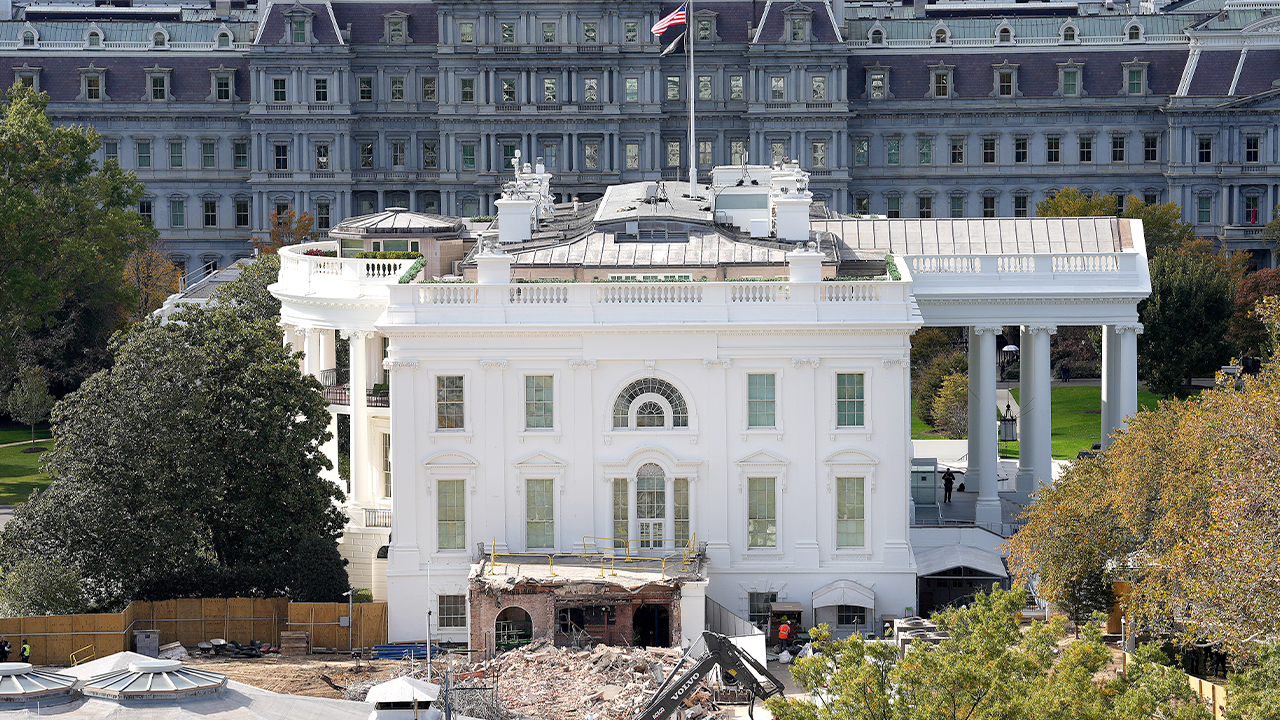
White House Defends East Wing Demolition, Unveils Trump’s $400 Million Ballroom Plan
The White House administration has publicly addressed concerns about the controversial demolition of the East Wing, explaining that severe structural issues made preservation unfeasible. During a meeting with the National Capital Planning Commission, Josh Fisher, director of the White House Office of Administration, detailed the extensive problems plaguing the historic structure, including an unstable colonnade, persistent water leakage, and widespread mold contamination. These issues, according to Fisher, made demolition and reconstruction the most economical and practical long-term solution compared to renovation costs. This explanation comes as the administration moves forward with plans for President Donald Trump’s ambitious $400 million ballroom project, which has already sparked significant debate and legal challenges regarding proper historical preservation protocols.
The proposed ballroom represents what administration officials describe as a necessary enhancement to the White House’s ceremonial capabilities. Will Scharf, the National Capital Planning Commission chairman and White House official, emphasized the current limitations of hosting state functions, noting that distinguished visitors like King Charles III would likely be entertained “in a tent on the South Lawn with porta-potties” under the existing arrangement. The administration’s vision, presented by architect Shalom Baranes, includes not only the grand ballroom but also potential modifications to create architectural harmony with the existing White House, such as adding a second story to the West Wing colonnade—though Baranes acknowledged this would significantly impact the area outside the Oval Office. These expansive plans mark a dramatic shift in how presidential events would be hosted at the historic residence.
The project has not advanced without opposition, however, as preservation advocates have mounted legal challenges to the administration’s approach. In December, the National Trust for Historic Preservation filed a lawsuit seeking to halt construction, alleging that the Trump administration circumvented mandatory reviews and failed to secure congressional approval before proceeding with the East Wing demolition in October. Carol Quillen, president and CEO of the Trust, characterized Thursday’s presentation as “a good and necessary first step” while urging full compliance with legally required review processes before construction begins. The tension between modernization and historical preservation continues to define the debate, with preservationists concerned about the precedent being set for handling modifications to one of America’s most iconic buildings.
Questions about the project’s transparency and approval process emerged during the commission meeting, particularly regarding why plans weren’t presented before the East Wing demolition began. Phil Mendelson, a Democratic commission member and D.C. Council chairman, raised concerns about the proposed ballroom’s imposing dimensions, suggesting that its 38 to 40-foot ceiling height would be “overwhelming” relative to the existing building. When questioned about why the commission wasn’t consulted earlier, Fisher offered a striking explanation: that some aspects of the project were of a “top secret nature” and required special handling. This response has raised eyebrows among those concerned about proper oversight of changes to the presidential residence, particularly given the historical and cultural significance of the White House complex.
The scope of the project has expanded considerably since its initial announcement. When first unveiled in July, the White House described plans for a 90,000-square-foot space with an estimated cost of $200 million—half of the current $400 million price tag. President Trump has maintained that the entire project is being privately funded, though specific details about the funding sources remain unclear. The architectural plans presented by Baranes included detailed renderings of the ballroom and visualizations of how the addition would integrate with the existing White House complex. Despite questions about potential modifications to the design, Baranes indicated that the current plans have undergone thorough review, suggesting major changes are unlikely as the project advances toward more formal approval stages.
The path forward appears to involve additional reviews and public input before construction can begin in earnest. Commission chairman Scharf expressed confidence that the project will ultimately receive approval, despite ongoing concerns from preservationists and some commission members. The White House is expected to submit a more detailed proposal that will trigger a more formal review process, including public testimony and commission votes. Meanwhile, the administration’s justification for demolishing rather than renovating the East Wing continues to be scrutinized, with skeptics questioning whether structural problems alone warranted such a dramatic approach to a historically significant building. As this unprecedented modification to America’s executive mansion progresses, the tension between presidential prerogative, historical preservation, and public oversight remains at the heart of the controversy.