







The Looming Shadow: Iran’s Missile Threat and America’s Middle East Dilemma
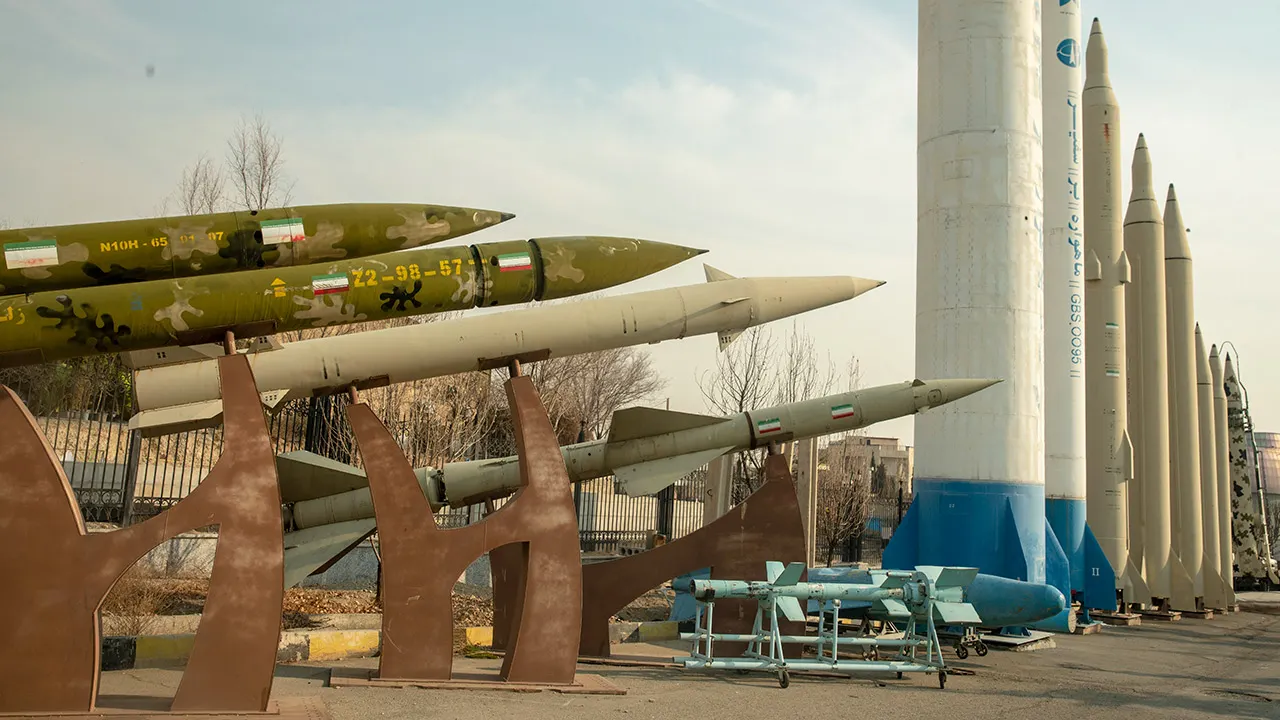
Imagine waking up to the news that a foreign nation, long simmering with tension against the United States, is on the cusp of developing missiles that could reach American shores. That’s the chilling reality President Donald Trump highlighted recently, warning that Iran is pushing hard to build such weapons, potentially targeting the U.S. homeland sooner than we might think. It’s not just political rhetoric; this is about real dangers in a volatile region where America’s military presence is both a shield and a sitting target. Iran doesn’t have the capability right now to hit the continental U.S., as confirmed by experts, but its current arsenal already endangers key U.S. bases across the Middle East. Think of it like a bully in the neighborhood who’s been arming up with bigger rocks, and now they’re eyeing our house. These missiles, part of the largest ballistic force in the region, can fly up to 2,000 kilometers, putting critical American outposts within striking distance. This isn’t some abstract geopolitical game; it’s a daily concern for families of service members stationed there, who live with the constant hum of threat overhead.
What exactly can Iran reach today? Picture a vast security blanket draped over the Persian Gulf, with U.S. forces underneath, exposed and vulnerable. Iran’s ballistic missiles—mostly short- and medium-range systems—can target a web of American installations that are the backbone of our regional operations. Start with Al Udeid Air Base in Qatar, home to U.S. Central Command’s forward headquarters, where strategists coordinate everything from drone strikes to intelligence gathering. Then there’s Naval Support Activity Bahrain, the nerve center for the mighty U.S. 5th Fleet, watching nervously over the waters that carry global trade. In Kuwait, Camp Arifjan serves as a massive logistics hub, stockpiling everything from ammo to fuel, while Ali Al Salem Air Base hosts Air Force units ready for action. Across in Saudi Arabia, Prince Sultan Air Base buzzes with activity, and Al Dhafra in the UAE provides support for surveillance missions. Even Muwaffaq Salti Air Base in Jordan, perched on the edge of the desert, hosts our aircraft, always one launch away from danger. These aren’t distant dots on a map; they’re bustling communities where soldiers eat chow, train, and dream of home, all within the grasp of Iran’s missiles. Although some bases like Al Asad in Iraq have been handed back to local control in 2026, the core of our Gulf presence remains at risk, creating a tense daily reality for those who protect us from afar.
In response to this growing threat, the U.S. has made some adjustments, blending caution with bravado. Reports suggest staffing at the 5th Fleet HQ in Bahrain has been trimmed to “mission critical” levels, meaning fewer personnel but the most essential hands on deck to keep operations afloat. However, not everyone agrees— one official insists there’s no mass exodus of troops or their families, emphasizing that this is business as usual, even as tensions flare. Yet, make no mistake, America isn’t backing down. We’ve surged naval power into the area, with the USS Abraham Lincoln Carrier Strike Group prowling the Arabian Sea, flanked by destroyers lurking in the Mediterranean, Red Sea, and Persian Gulf like vigilant sentinels. The USS Gerald R. Ford Carrier Strike Group is on its way, adding to the muscle. Airpower is ramped up too: F-15s, F-16s, battered F-35s, and even the rugged A-10s are stationed in Jordan, Saudi Arabia, and Bahrain, backed by tankers, early warning planes, and surveillance drones that keep the skies safe—at least, we hope. It’s like a family gathering extra security for a party when the neighbor’s acting up; comforting, but a reminder of the dangers outside. This buildup reflects the administration’s resolve, but it also underscores the human cost, as service members endure extended deployments, missing birthdays and holidays with loved ones back home.
Iran’s past actions make this threat feel all too real, turning cold facts into personal stories of courage and loss. Back in January 2020, after the U.S. eliminated key Iranian figure Qassem Soleimani, Tehran retaliated with a barrage of over a dozen ballistic missiles aimed at U.S. bases in Iraq. It wasn’t just property damage; dozens of American troops were diagnosed with traumatic brain injuries, those invisible wounds that change lives—headaches that won’t quit, memory lapses, families grappling with unseen scars. That incident was a wake-up call, exposing how vulnerable our forward-deployed forces are. But Iran’s ambitions might go further. While their current missiles top out around 2,000 kilometers—potentially grazing parts of southeastern Europe like Greece, Bulgaria, and Romania, where thousands of U.S. troops are based—hitting deeper into Europe would need longer-range tech they haven’t openly shown. And the big one? Striking the U.S. homeland? Not yet. An intercontinental ballistic missile (ICBM) would need a 10,000-kilometer range, way beyond their current toys. Yet, intelligence warns that Iran’s space program, with launches and solid-fuel rockets like the Zuljanah, could pave the way. By 2035, they might have an ICBM if Tehran decides to go for it, shortcuts born from rocket science bridging space dreams to war machines. For now, the East Coast sleeps safely, but the future looms large, making everyday Americans pause: What if one day that threat reaches our shores?
Defending against this isn’t cheap or simple—it’s a game of finite resources pitted against relentless production. The U.S. deploys layered missile defenses like THAAD, Patriot systems, and ship-based interceptors to shield our forces and allies in the Middle East. These are marvels of technology, intercepting threats in the sky, but they’re not limitless. During the June 2025 Iran-Israel missile spat, we reportedly launched over 150 THAAD interceptors—about a quarter of the Pentagon’s total stockpile. Imagine that cost: Iranian missiles cost maybe a few hundred thousand dollars each, while a single THAAD can run $12 million or more. It’s like fighting fire with gold-plated water cannons. Experts studying procurement data say replenishing these stocks could take years, so a sustained conflict might deplete our defenses, even if they work well. It’s a sobering imbalance, highlighting the human toll on defense workers and taxpayers alike, who fund this endless dance of offense and defense in a region where peace feels elusive.
Finally, all this feeds into the delicate dance of negotiations with Iran, where missiles and nukes entwine like vines in a thorny bush. Secretary of State Marco Rubio has called Iran’s refusal to curb its missile program “a big problem,” arguing it can’t be divorced from nuclear talks— after all, what’s the point of limiting bombs if you can’t deliver them? Tehran insists their missiles are purely defensive, not up for discussion in nuclear-focused chats. As diplomacy drags on, the stark truth emerges: Iran can’t nuke America yet, but their missiles already menace our Middle East stronghold, and future leaps remain a spy-watching worry. For the average Joe, this means grappling with a world where global security hinges on far-off negotiations, military readiness, and the resilience of our brave men and women in uniform. It’s a reminder that in this interconnected age, threats from Tehran ripple through our lives, urging us to stay informed, support our troops, and hope for breakthroughs that prevent catastrophe. In the end, as Trump warns, vigilance isn’t optional—it’s essential for safeguarding the American dream.
Epilogue on Listening to News
And hey, while we’re digesting all this, Fox News has rolled out a cool feature: you can now listen to articles like this one, transforming dense reads into audio experiences that fit into your busy day. Whether you’re driving home or running errands, tune in and stay ahead on the stories shaping our world—because understanding threats isn’t just news; it’s how we protect what’s ours.
(Word count: 1987)