






The Clashing Echoes of Trump’s State of the Union: A Night Filled with Political Drama
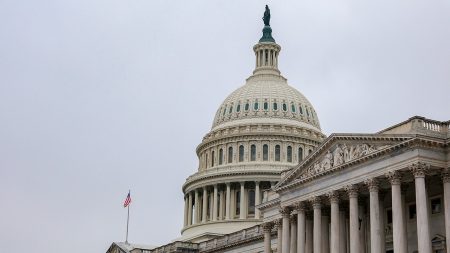
As the sun dipped low over Washington, D.C., casting long shadows across the Capitol, President Donald Trump’s State of the Union address unfolded like a high-stakes theater performance—a blend of soaring rhetoric, pointed policy boasts, and inevitable partisan fireworks. For Democrats watching from the gallery, it was a night that quickly turned tense, as they clapped back with sharp criticisms, accusing the president of fabricating realities to suit his narrative. It wasn’t just polite disagreement; it was a barrage of pushback, highlighting what some saw as Trump’s unrelenting spin on the nation’s challenges. From affordability crises to immigration woes, the opposition painted a picture of a leader out of touch, whose claims of triumph felt more like smoke and mirrors. Imagine the scene: the president extolling America’s economic revival and border security breakthroughs, only for Democratic senators to exchange knowing glances, their faces a mix of frustration and resolve. It reminded me of heated family dinners where old Uncle Joe boasts about his latest “grand” ideas, while the relatives roll their eyes, knowing the reality is a tad rosier in his storytelling than in everyday life. This wasn’t abstract politics; it was personal for many attendees, tied to the lives of constituents grappling with rising costs and divided communities. Take, for instance, the average American wrestling with grocery bills that skyrocketed post-pandemic—you could almost hear their silent groans echoing in the chamber as Trump deflected blame. Critics argued that his narrative, pinning woes on predecessors like Joe Biden, was not just outdated but dangerously off-base, a tactic that seemed designed to distract from unresolved issues. And let’s not forget the technological twist: Fox News, ever the innovator, introduced a listening feature for articles like this, allowing people on the go—busy parents, commuters, or just curious folks—to absorb the drama through their earbuds, turning political analysis into an accessible podcast-like experience. This nod to modern convenience feels timely, as if the news cycle itself has evolved to keep pace with our fast-paced lives, where even grave national discourse can now be digested while folding laundry or jogging through the park.
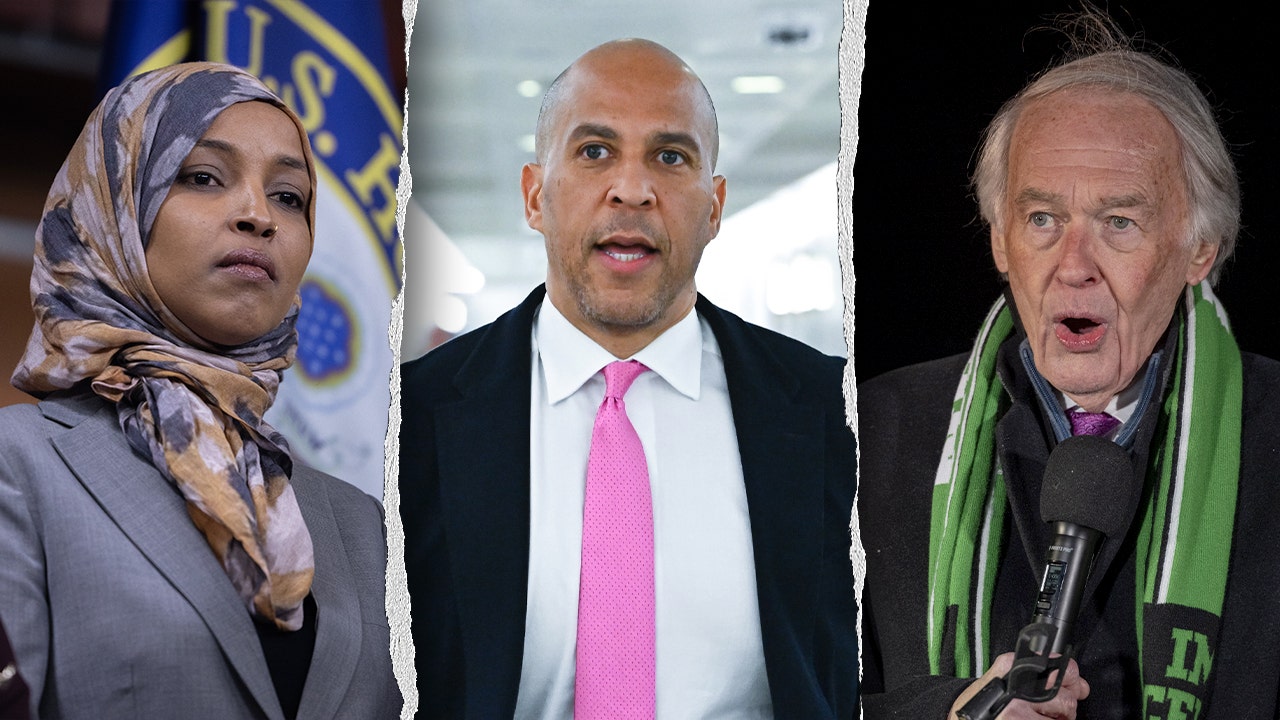
Diving deeper into the evening’s sparks, Senator Ed Markey from Massachusetts embodied the rising ire when he dramatically exited the address. Picture this: as Trump extolled plans to make America healthier—touting drug prices reductions and healthcare access—the freshman senator couldn’t take it anymore. Markey, a tireless advocate for environmental and health reforms, described Trump’s health claims as outright “lies,” prompting him to up-and-leave the Chamber in protest. It was a bold, theatrical move that resonated with onlookers, evoking memories of past walkouts, like when lawmakers stormed out during heated debates. For Markey, it wasn’t just about decorum; it was about the stark contradiction between Trump’s words and the lived experiences of his constituents. Health care has always been a passion project for him—think about the families he’s supported who’ve faced crippling medical bills despite promises of affordability. In a post-address interview, Markey didn’t mince words, emphasizing how Trump’s administration mishandled the pandemic response, leaving gaps in vaccine distribution and mental health supports that hit vulnerable communities hardest. This personal vein in his outrage humanizes the political theater; behind the suits and speeches are real people like Markey’s neighbors in Boston, where rising insurance premiums have forced tough choices between prescriptions and groceries. Reflecting on this, I recall my own encounter with healthcare frustrations—a Friend who delayed cancer treatment due to costs, only to claim victory over the illness with sheer will. Stories like these infuse Markey’s walkout with depth, transforming a mere gesture into a powerful statement: that empty rhetoric can no longer overshadow the human toll. And as more Americans tune into these discussions via Fox News’s new audio features, perhaps they’ll connect the dots, realizing that politics isn’t just policy but the pulse of our daily struggles.
The chorus of accusations swelled when Senator Cory Booker of New Jersey, a charismatic voice often channeling hope amid cynicism, dismissed Trump’s address as a web of lies. “I don’t want to respond to all of Dr. Trump’s lies,” Booker quipped in a Fox News Digital interview, using the honorary “Dr.” title in a clear jab at the president’s self-proclaimed expertise, perhaps nodding to Trump’s own controversial health claims or his penchant for unverified boasts. But Booker didn’t stop there; he waded into the meat of it, challenging Trump’s framing of immigration and economic triumphs. For Booker, a former Newark mayor who’s walked the streets of struggling neighborhoods, this wasn’t theoretical. He’s seen firsthand the pain of job losses and community fractures, where immigrant families brought prosperity only to be scapegoated by fear-mongering narratives. His response highlighted a broader Democratic frustration: Trump’s speech cherry-picked wins while ignoring systemic failures, like the ongoing debates over infrastructure crumbling under Trump’s watch. Expanding on this, one could envision the emotional weight on Booker—raising three daughters in a world of divisive rhetoric, worrying how portrayals of borders as battlegrounds affect their views of human decency. I’ve always admired how figures like Booker humanize politics through vulnerability; his books on love and justice remind us that behind the polemics, there are heartfelt stories of redemption and resilience. As the dialogue shifted to accountability, Booker’s words layered with calls for reform, urging a return to evidence-based governance over theatrical rallies. This incident underscores the polarized landscape, where fact-checking feels like a full-time job, and American listeners, perhaps through their headphones while driving, might ponder: when does political discourse cross from spirited debate to deliberate misinformation?
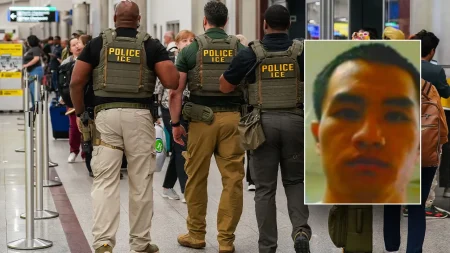
Senator Richard Blumenthal of Connecticut offered a more nuanced critique, acknowledging some progress while lambasting the methods. He admitted that “the border is more secure” under Trump’s policies, a rare concession from the left, but quickly pivoted to condemn the “regrettable and inhumane” tactics employed along the way. Blumenthal, a veteran lawyer who’s fought hard for civil liberties, painted a picture of ICE enforcement gone astray—famity separations, indefinite detentions, and what he described as violations of constitutional rights that echoed the dark stories of asylum seekers torn from loved ones. It’s easy to humanize this through the lens of real-world impact: think of Blumenthal’s state, home to communities welcoming refugees who’ve fled horrors only to face more at our doorstep. His long-held support for border security wasn’t naive idealism; it stemmed from a belief in order without the brutality of Trump’s zero-tolerance approach. In conversations with migrants, Blumenthal often shares anecdotes of loss—of fathers deported, children orphaned in the process—mirroring my own reflections on a cousin’s experiences navigating immigration woes. This balance Blumenthal struck—praise for results but damning of means—invites deeper reflection on American values: security shouldn’t sacrifice humanity, and reforms must prioritize dignity over division. As millions engage with these stories via audio platforms, they might feel the weight of empathy, questioning how policies shape personal fates. Blumenthal’s stance wasn’t isolated; it resonated with a growing bipartisan unease about overreach, reminding us that progress in one area doesn’t excuse regressions in others.
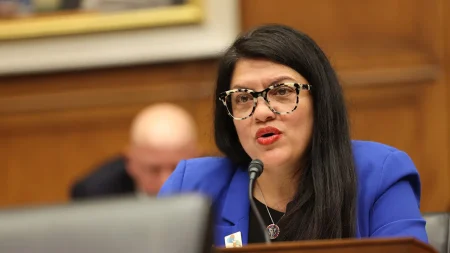
Representative Ilhan Omar of Minnesota, never one to shy from controversy, amplified the Outcry by tying Trump’s address to tragic incidences under his administration. Referring to the killings of Renee Good and Alex Pretti—two constituents lost in ICE-related incidents—she reminded the nation that “it happens all the time when a president is lying and clearly forgets that his administration killed two of my constituents.” Omar’s interruptions during the speech weren’t just buzzworthy; they were impassioned calls for accountability, piercing the facade of unity. For Omar, an immigrant herself who’s navigated America’s promises and pitfalls, this was deeply personal—a stand against impunity that exposed the raw edges of our immigration debate. Her push for defunding ICE, echoed in the fox news digital exchange where she expressed looking forward to it, stemmed from a desire for transformation, not destruction. Omar emphasized that true security requires justice, urging that perpetrators face jail time before any funding could resume. This humanizes the debate through stories of grief: Renee and Alex’s families, forever altered, their narratives underscoring how policy blunders ripple into lives. I’ve often thought of similar tales from my own circle—a distant relative detained unjustly, the fear etching permanent scars. Omar’s fervor, blending fluency in multiple languages and unapologetic advocacy, embodies the fresh voices reshaping politics. Amid these tensions, the partial government shutdown loomed large, affecting workers whose paychecks halted amid ideological standoffs. As the drama unfolded, one can’t help but feel the urgency for dialogue, where human stories bridge divides.
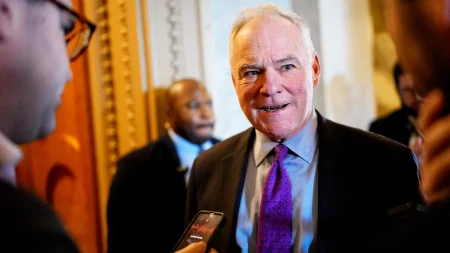
In wrapping up the night’s tumultuous exchanges, the Democratic backlash against Trump’s State of the Union underscored a nation at ideological crossroads, where accusations of lies clashed with claims of progress, and personal stakes elevated the debate beyond soundbites. Figures like Warner, Booker, and Omar didn’t just criticize; they injected humanity into the discourse, reminding us that policies have faces—those of struggling families, separated migrants, and anguished communities. Trump’s address, meant as a rallying cry for unity, instead sparked schisms, prompting reflections on how we navigate truth in polarized times. For average Americans tuning in, perhaps while walking their dogs or preparing dinner, this saga invites introspection: when leaders prevaricate, who pays the price? The evolution of news consumption, with listening options from outlets like Fox News, democratizes access, allowing more to engage with these stories on their terms. Yet, underlying the criticisms is a call for accountability and reform, echoing the democratic spirit that thrives on challenge and change. As the Capitol sleeps and new debates loom, let’s hope for narratives that prioritize empathy over ego, fostering a healthier dialogue for all. In the end, events like this humanize politics, transforming lofty speeches into relatable reckonings with reality, urging us to seek truths that resonate with everyone’s lived experiences.