

Virginia’s Redistricting Battle: Democracy at a Crossroads
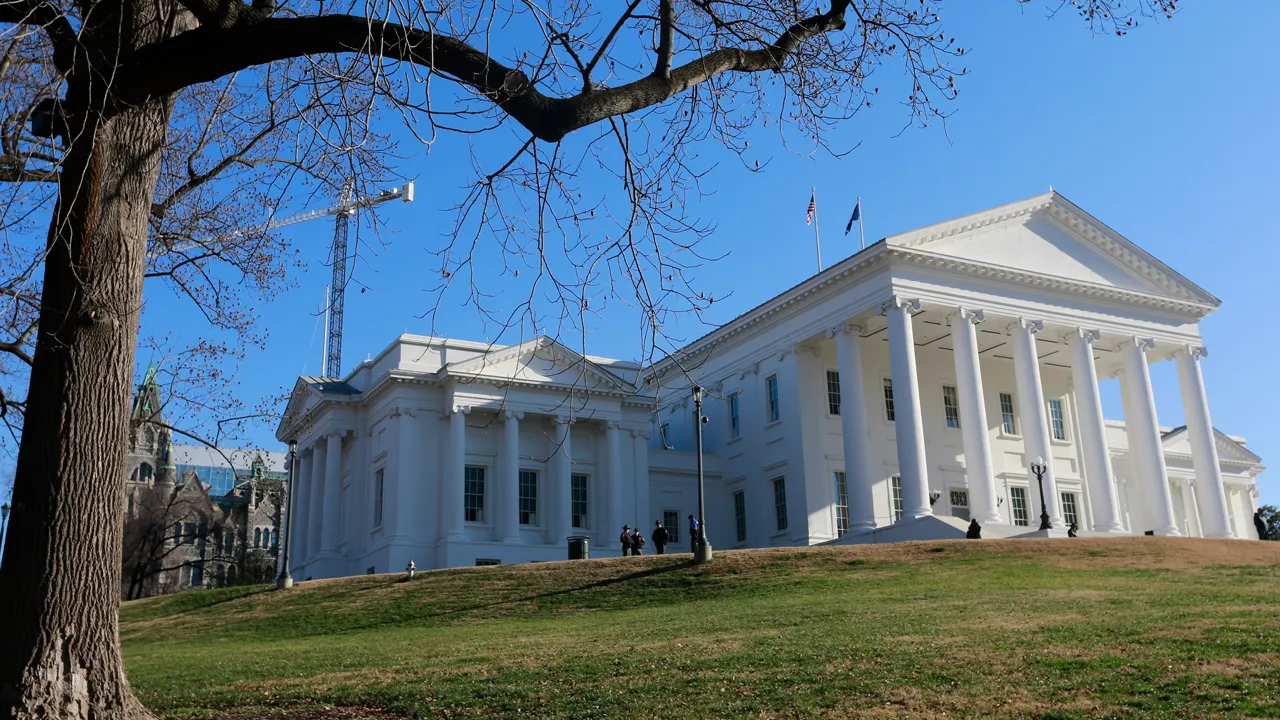
Virginia has become the latest battleground in America’s high-stakes redistricting wars, as the state Senate recently approved a constitutional amendment that could dramatically reshape the state’s political landscape. If approved by voters this spring, the measure would transfer the power to redraw congressional maps from the current non-partisan commission back to the Democrat-controlled legislature through 2030. This move represents a significant shift in how Virginia’s eleven U.S. House districts would be allocated, with Democrats—who currently hold six seats—potentially aiming to secure up to four additional left-leaning districts ahead of the November elections. The Democratic Congressional Campaign Committee (DCCC) has praised this development as “a critical step” toward ensuring fair representation, while Republicans have denounced it as a “partisan power grab” designed to entrench Democratic control.
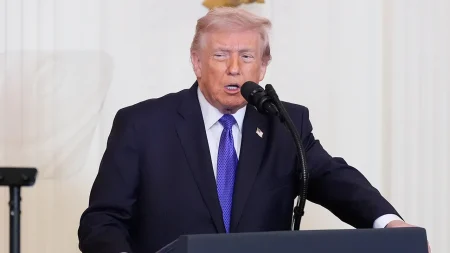
This redistricting battle in Virginia reflects a broader national trend of mid-decade map redrawing that began last spring when former President Donald Trump floated the idea to Republican-controlled states. The strategy was straightforward: redraw congressional maps in red states to strengthen the GOP’s slim House majority and maintain control through the midterms. Texas became the first target, with Republican Governor Greg Abbott calling a special legislative session to pass a new map that could potentially add five Republican-leaning seats. Democratic lawmakers in Texas initially fought back by breaking quorum and fleeing the state for two weeks, which energized Democrats nationwide to mount their own redistricting countermeasures. The Supreme Court eventually upheld Texas’ new map in a significant victory for Republicans.
In response to Republican redistricting efforts, California voters overwhelmingly passed Proposition 50 in November, temporarily sidelining the state’s nonpartisan redistricting commission and returning map-drawing power to the Democratic-dominated legislature. This move is expected to create five more Democratic-leaning congressional districts, effectively counterbalancing Texas’ redistricting maneuvers. The battle has quickly spread beyond these two populous states, with Republican-controlled Missouri, Ohio, and North Carolina drawing new maps as part of Trump’s push. Florida Republicans, encouraged by Governor Ron DeSantis, are also pursuing a redistricting initiative during a special legislative session in April that could potentially yield an additional three to five Republican seats.
The redistricting wars have produced mixed results across states. In Utah, Republicans faced a setback when a district judge rejected the GOP-dominated legislature’s congressional map in favor of an alternative that creates a Democratic-leaning district. Similarly, Indiana’s Republican Senate defied Trump by voting down a redistricting bill that had passed the state House. Meanwhile, other states potentially entering the redistricting fray include Democratic-controlled Illinois and Maryland, as well as Kentucky and Kansas—red states with Democratic governors. A nonprofit called “Virginians for Fair Elections” has already launched in Virginia to urge voters to support the redistricting ballot measure, while Democratic lawmakers have indicated they will release a proposed map later this month.
Looming over all these state-level redistricting battles is the Supreme Court, which is expected to rule in a crucial case, Louisiana v. Callais, that could potentially overturn a key provision of the Voting Rights Act. If the conservative majority on the high court rules as some legal experts predict, it could lead to the redrawing of numerous majority-minority districts across the country, which would likely favor Republicans. However, both the timing and the specific nature of the Court’s eventual ruling remain uncertain, adding another layer of complexity to an already contentious redistricting landscape.
The intensifying redistricting wars highlight the fundamental tensions in American democracy between partisan advantage and fair representation. Democrats argue that their efforts are necessary to “restore fairness” and “level the playing field” against what DCCC Chair Rep. Suzan DelBene characterizes as Republicans “doing everything they can to rig the midterms in their favor.” Conversely, Republicans contend that Democrats are engaging in the same gerrymandering tactics they criticize, with RNC national press secretary Kiersten Pels describing Democratic redistricting as part of a “multi-decade campaign” to entrench power wherever they gain control. As voters in Virginia and potentially other states head to the polls to decide on redistricting measures, these battles will continue to shape the electoral landscape and potentially determine which party controls Congress after November’s elections.