





Vice President Vance Rallies America First Movement at First TPUSA Convention Since Charlie Kirk’s Assassination
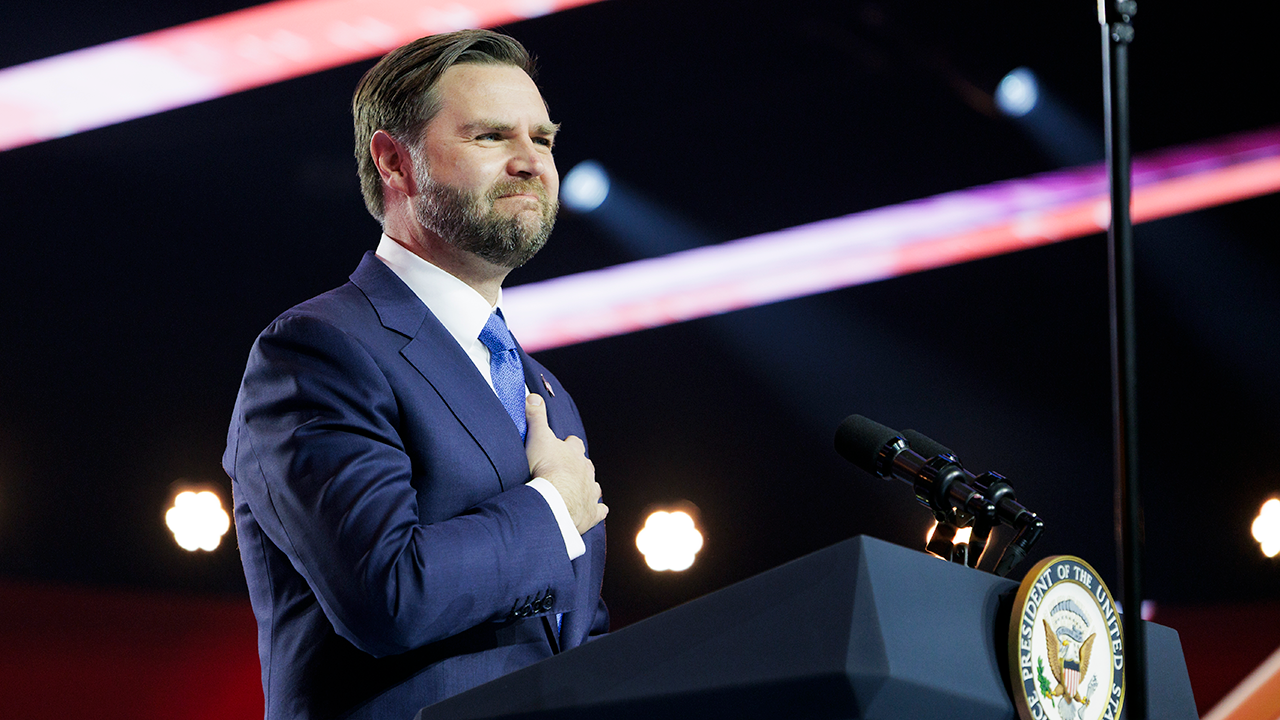
At the first Turning Point USA convention since the tragic assassination of its founder Charlie Kirk, Vice President JD Vance delivered a powerful closing address to an enthusiastic crowd at AmericaFest 2025 in Phoenix. His message was one of unity and inclusivity within the America First movement, emphasizing that it welcomes all patriots regardless of their background or differences of opinion. The event was particularly poignant as Erika Kirk, who assumed leadership of TPUSA following her husband’s death in September, participated in a discussion with surprise guest Nicki Minaj shortly before Vance took the stage. The vice president’s appearance highlighted the resilience of the movement in the wake of tragedy and its continued appeal across demographic lines.
“President Trump did not build the greatest coalition in politics by running his supporters through endless, self-defeating purity tests,” Vance declared, addressing the internal disagreements that had surfaced during the conference. He deliberately avoided naming specific podcasters or the controversial topics that had caused friction among conservative speakers earlier in the event. Instead, he emphasized the inclusive nature of the America First movement: “We don’t care if you’re White or Black, rich or poor, young or old, rural or urban, controversial or a little bit boring… People of every faith come to our banner because they know that the America First movement will make their lives better.” This approach stood in stark contrast to some of the divisive exchanges that had occurred at the conference regarding issues such as Israel, Ukraine aid, and other contentious topics within conservative circles.
Rather than viewing disagreements within the movement as a sign of weakness, Vance reframed them as evidence of intellectual vitality. “I know some of you are discouraged by the infighting over any number of issues. Don’t be discouraged,” he reassured the audience. “Wouldn’t you rather lead a movement of freethinkers who sometimes disagree than a bunch of drones who take their orders from George Soros?” This perspective positioned the America First coalition as a dynamic, thinking movement rather than a monolithic bloc—a strength rather than a liability. Vance also acknowledged the impatience some supporters feel about the pace of change, saying “Some of you are impatient at the pace of progress and my response to that is ‘Good,'” suggesting that such drive would fuel continued momentum for their agenda despite any perceived slowness in Congressional action.
The vice president spent considerable time outlining the Trump administration’s accomplishments and priorities, highlighting border security as a cornerstone achievement. “2025 represented the first year in more than half a century with negative net-migration,” he proudly announced, adding that “millions of illegal immigrants have either left the U.S. or been deported.” He connected these immigration policies to broader economic improvements, stating, “When you restore sanity at the border, it shows up everywhere else,” and pointing to decreases in rent costs, gas prices, inflation, and unemployment. Vance also celebrated the administration’s stance against diversity, equity, and inclusion initiatives, declaring that “we have relegated DEI to the dustbin of history which is exactly where it belongs,” reinforcing the movement’s commitment to what he characterized as merit-based rather than identity-based policies.
In a particularly moving moment, Vance invoked Charlie Kirk’s legacy and philosophy, sharing that Kirk once told him that politics is not a “dress rehearsal or a game” but rather a series of consequential decisions that shape the nation’s future. This framing elevated the stakes of their political movement beyond mere partisan competition to a mission of national importance. Vance also promised to honor Kirk’s memory by combating “the scourge of left-wing violence,” not just by prosecuting direct perpetrators but also by investigating those who financially support such activities—”who bought the brick”—suggesting a broader accountability for political violence. This approach reflected both a tribute to Kirk and a continuation of his confrontational stance toward perceived leftist threats.
As Vance concluded his address, he offered a vision of what success would look like for the America First agenda: “My friends, commit to these things, and I promise you victory: I promise you closed borders and safe communities. I promise you good jobs and a dignified life.” He drew a distinction between political promises and spiritual ones, adding, “Only God can promise you salvation and heaven. But together we can fulfill the promise of the greatest nation in the history of the earth.” This blend of practical policy goals with patriotic idealism encapsulated the movement’s approach under the Trump-Vance administration—building rather than tearing down, as Vance put it: “We have far more important work to do than canceling each other… We build by adding, by growing, not by tearing down.” His message left the AmericaFest attendees with both specific policy commitments and an emotional connection to a larger purpose that transcended the individual controversies that had earlier divided some conference participants.