





Paragraph 1: The Shock of Swift Justice in the Pacific
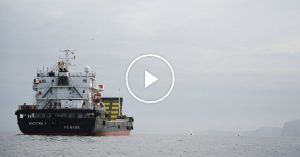
Imagine the vast, unforgiving expanse of the Eastern Pacific Ocean, where the sun beats down on waves that have carried untold secrets for centuries. On a quiet Saturday, that equilibrium was shattered as U.S. forces launched two precise, deadly strikes against vessels that weren’t just sailing aimlessly—they were lifelines for some of the world’s most dangerous criminal networks. According to U.S. Southern Command, these ships were operated by Designated Terrorist Organizations, blurring the lines between drug smuggling and outright terrorism. The strikes, directed by SOUTHCOM commander Gen. Francis L. Donovan and executed by Joint Task Force Southern Spear, were part of a broader strategy dubbed “applying total systemic friction on the cartels.” For the families of those killed, this wasn’t just an international incident; it was a brutal end to lives steeped in greed and violence. The announcement came on Sunday night via SOUTHCOM’s X account, painting a picture of relentless American resolve against the shadowy forces threatening not just U.S. borders but global stability. You could almost hear the distant rumble of the strikes echoing through the ocean’s depths, a stark reminder that narco-trafficking has evolved into something far more sinister than mere crime—it’s a weapon of terror.
The strikes targeted vessels transiting well-known narco-trafficking routes, confirmed by intelligence that left no doubt about their illicit cargoes. For crews on those ships, life at sea was already perilous, dodging storms and patrols, but these encounters turned deadly in an instant. The U.S. Coast Guard has been a longtime ally in these battles, having seized massive hauls like over 4,500 pounds of cocaine worth $34 million from suspected narco-terrorist vessels just a week earlier, on Easter no less. This relentless pressure under the Trump administration has redefined how America confronts its adversaries. It’s not just about seizing drugs; it’s about dismantling empires built on fear and corruption. As FOX News listeners can now tune into articles read aloud, the story gains a personal touch, making the geopolitical chessboard feel more immediate, more human. Families back home likely wondered what drove their loved ones to such risks, buried in a cycle of poverty and allure that cartels exploit masterfully. The strikes symbolize a turning point, where technology and intelligence meet unyielding force, humanizing the faceless war on drugs into tales of courage and reckoning.
Paragraph 2: Lives Lost and a Lone Survivor
In the chilling aftermath of these strikes, the toll became eerily personal. On that fateful April day, two vessels met their fate, carrying crews entangled in the web of narco-terrorism. The first strike claimed three male lives, described as narco-terrorists, their fates sealed as the U.S. forces acted decisively. A second strike followed, equally merciless, with three more men killed. For these individuals, likely driven by desperation or the siren call of easy money in a region plagued by inequality, the ocean became their grave. But not all perished; in a twist of fate, one man survived the first strike, clinging to life amid the wreckage. This lone survivor, rescued by the swift activation of the U.S. Coast Guard’s Search and Rescue system, represents a sliver of humanity in an otherwise brutal operation. No U.S. personnel were harmed, underscoring the precision of modern warfare tools. His story—the gasping breaths, the cold water lapping at his injuries—evokes empathy; was he a victim coerced into service, or a willing participant in this deadly trade? As War Secretary Pete Hegseth amplified SOUTHCOM’s post on his X account, the narrative expanded beyond dry facts into a public declaration of victory. For viewers tuning in via the FOX News app, these details aren’t just bullet points; they’re windows into lives disrupted, families shattered, and the human cost of unchecked power.
The humanization of this event lies in imagining the conversations on board those vessels. Young men, perhaps from impoverished coastal towns, dreaming of a better life for their wives and children back home, only to find themselves as pawns in a global game. The cartels, with their promises of wealth and protection, lure the vulnerable, turning fishermen into killers. When the strikes came, coordinated with intelligence that tracked their every move, it was over in moments—explosions ripping through hulls, water rushing in, cries swallowed by the sea. For the survivors waiting in boats nearby, it must have felt like facing an invisible enemy, one that strikes without warning, powered by satellites and algorithms. SOUTHCOM’s emphasis on “kinetic strikes” highlights the evolution of defense strategy, where lives are quantifiable, but the reality is messier. The survivor, now in custody or medical care, carries the weight of unanswered questions: What led him here? Will his testimony unravel networks? This isn’t just about drugs; it’s about resilience, the human spirit tested in the crucible of conflict, and the hope that such actions might deter others from the same path.
Beyond the immediate sensationalism, the strikes ripple through communities worldwide. In the U.S., they bolster narratives of national pride, as officials like Hegseth trumpet victories in the fight against transnational threats. For Latin American nations, where poverty fuels the cartels’ ranks, it’s a reminder of the external pressure reshaping local dynamics. The administration’s approach, echoing Trump’s controversial stances, focuses on lethal force rather than just interdiction, arguing that fear is the ultimate deterrent. Cartels, once bold, now reportedly fear U.S. retaliation, altering strategies to avoid direct confrontations. This fear humanizes the opposition—not just monstrous organizations, but entities made up of individuals facing existential threats. As media buzzes, with headlines screaming about alleged narco-terrorists and massive cocaine busts, the story evolves into a saga of modern heroism. Listeners to FOX News can immerse themselves in audio articles, feeling the tension build, the stakes rise, making abstract geopolitics feel visceral. For every strike, there’s a chain reaction: diminished supply chains, empowered officials, but also grieving families wondering if justice was truly served.
Paragraph 3: Intelligence and the Dark World of Narco-Trafficking
Delving deeper into the operations, intelligence wasn’t just a tool—it was the guiding star that illuminated the darkness. Confirming that the vessels were directly engaged in narco-trafficking along notorious Eastern Pacific routes, U.S. forces relied on a mosaic of surveillance, signals intelligence, and human sources to paint a complete picture. These weren’t isolated boats; they were extensions of sophisticated terrorist networks, where drug profits fund bombs, bribery, and bloodshed. For operatives monitoring from afar, the decision to strike must have weighed heavily—balancing evidence with the ethical quandary of ending lives without a trial. Yet, the cartels’ integration with terrorist groups, as designated by U.S. authorities, justifies such actions in the eyes of advocates, turning the ocean into a battlefield. Humanizing this, one can envision analysts poring over screens late into the night, connecting dots that reveal a web of exploitation:-from the Andean fields where coca leaves are harvested by destitute farmers, to the high seas where smugglers risk it all.
The evolution of narco-trafficking into “narco-terrorism” reflects a terrifying reality, where criminal syndicates adopt tactics akin to insurgent groups. Previous incidents, like the Coast Guard’s Easter seizure of a record cocaine load, showcase how these organizations operate under the radar, mingling with legitimate marine traffic. The strikes under Gen. Donovan exemplify a proactive doctrine, preempting threats before they reach shore. For the individuals aboard, recruited from vulnerable populations, the allure of lucrative pay blinds them to the perils—stampedings by rival gangs, betrayals, or now, aerial assaults. This human element underscores a broader tragedy: cycles of poverty perpetuated by global demand for illicit substances. As SOUTHCOM declares victory, it prompts reflection on whether such force catalyzes change or merely shifts the burden to other arenas.
Paragraph 4: The Role of Leadership and Public Sentiment
Leadership plays a pivotal role in shaping perceptions of these strikes. Gen. Donovan’s command reflects a hands-on approach, embodying the Trump-era ethos of unapologetic aggression. War Secretary Pete Hegseth’s enthusiastic sharing of the SOUTHCOM post on X transforms it into a populist rallying cry, resonating with audiences tired of bureaucratic delays. This administration’s record, rife with similar deadly interventions, challenges traditional norms, prioritizing results over restraint. Humanizing Hegseth, one imagines a fiery advocate, channeling public frustration into actionable policies. For citizens, these actions instill a sense of security amid rising fears of cartel incursions. Yet, controversies linger: the lack of clear judicial processes raises ethical flags, blurring warfare with policing. The FOX News audience, now able to listen along, engages with stories that feel like rallying narratives, fostering unity.
The public discourse reveals divided opinions. Supporters hail it as necessary toughening, deterring cartels whose tentacles reach into American streets. Critics decry the militarization of drug policy, advocating for diplomacy and reform. In humanizing the narrative, we must consider voices unheard: activists pushing for decriminalization, arguing that strikes punish symptoms, not causes. The survivor’s fate, under Coast Guard care, might offer insights, potentially becoming a key witness. Overall, leadership’s visibility amplifies the story’s impact, making foreign policy feel tangibly personal.
Paragraph 5: Broader Implications and Cartel Fears
The strikes reverberate beyond immediate casualties, influencing cartel dynamics across hemispheres. Reports indicate that once-dominant groups now fear U.S. retaliation, reshaping strategies to evade detection—cryptic communications, diversified routes, and intensified internal purges. This “fear the United States” sentiment, as articulated in related analyses, humanizes adversaries as reactive entities, their bravado cracking under pressure. For communities trapped in cartel wars, these shifts bring hope for reduced violence, but also vulnerability as fractured organizations battle for dominance. The Trump administration’s legacy here is clear: forceful “friction” that transcends borders, using every tool from Coast Guard interdictions to aerial strikes. Such actions contribute to narratives of American assertiveness, appealing to a public weary of perceived weaknesses.
Economically, disruptions hit supply lines, inflating street prices and undercutting finances funding terrorism. Socially, it empowers local law enforcement, fostering alliances. Yet, humanizing this, we see unintended consequences: displaced traffickers seeking new avenues, families torn by retribution. The Easter cocaine seizure highlights ongoing efforts, a testament to persistent vigilance. In essence, these strikes symbolize a paradigm shift, where oceans become arenas of accountability, demanding global cooperation.
Paragraph 6: Reflections on a Human Story Amidst Global Chaos
Ultimately, this episode weaves together threads of heroism, tragedy, and ethical ambiguity. From the lethal precision to the lone survivor’s salvation, it humanizes an often abstracted conflict, reminding us of lives at stake. Denizens of coastal towns, ensnared by cartel promises, embody vulnerability in an imperfect world. Officials like Donovan and Hegseth personify resolve, driving a strategy that prioritizes safety over subtlety. As audiences engage via FOX News audio, the story gains depth, urging empathy for all sides. In reflecting, we ponder: Does fear breed deterrence, or perpetuate cycles? This narrative, expanded through strikes and seizures, calls for introspection on humanity’s shared struggles against darkness.