




From the Institute of Peace to the Trump Institute: A Transformation Amidst Controversy
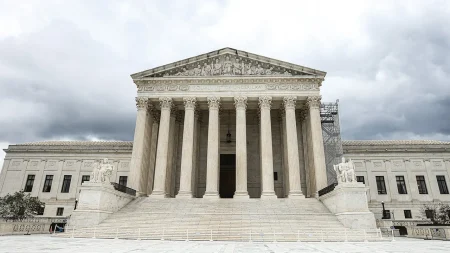
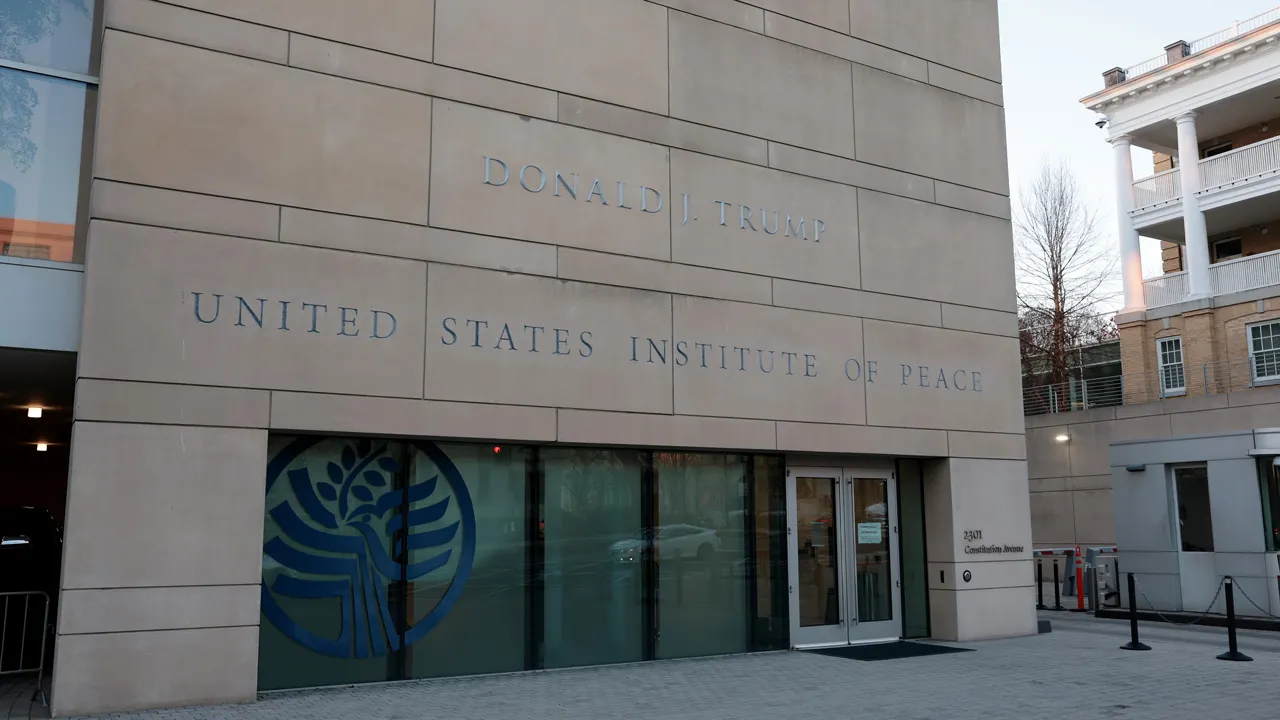
In a significant reshaping of American diplomatic infrastructure, the United States Institute of Peace has been officially renamed as the Donald J. Trump Institute of Peace. This renaming represents the culmination of months of administrative efforts to fundamentally transform the organization that has, since 1984, operated as a nonpartisan entity dedicated to conflict prevention and peace-building worldwide. The change comes during a tumultuous period for the institute, which has been fighting against the administration’s attempts to dismantle it while transferring its core functions to the newly established Department of Government Efficiency (DOGE). Despite legal challenges and a temporary block by a lower court, an appeals court decision has allowed the restructuring to proceed, resulting in significant layoffs and operational changes that have fundamentally altered the organization’s identity and purpose.
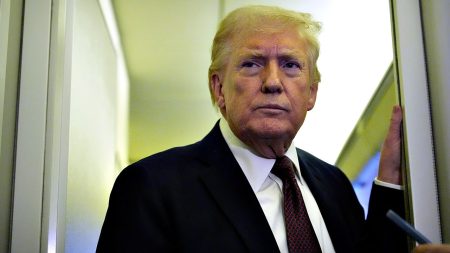
The administration’s justification for these changes reflects a critical view of the institute’s previous work and expenditures. White House spokesperson Anna Kelly characterized the former institute as “a bloated, useless entity” that spent $50 million annually without delivering meaningful results in terms of peace advancement. This perspective frames the renaming as not merely symbolic but as part of a broader restructuring intended to align the institute with what the administration describes as President Trump’s “peace through strength” approach to international relations. The White House has highlighted Trump’s claim of ending “eight wars in less than a year” as evidence of his peace-making credentials and as justification for associating his name with the institute. Secretary Marco Rubio reinforced this narrative, suggesting that the renaming appropriately recognizes Trump’s legacy as “the President of Peace” and aligns diplomatic institutions with this claimed achievement.
The timing of the rebrand coincided with the institute’s website temporarily going offline before returning with promotion for Trump’s upcoming peace agreement ceremony between the Democratic Republic of Congo and Rwanda. This particular diplomatic initiative is being showcased as evidence of the new institute’s effectiveness under its revised mandate and leadership. The transformation represents one of the most comprehensive agency overhauls of Trump’s second term, reflecting an administrative approach that favors significant institutional restructuring rather than incremental reform. The administration appears to be positioning the renamed institute as a monument to Trump’s diplomatic legacy while simultaneously reducing its independent authority and integrating its functions into other governmental departments that are more directly under executive control.
The legal battle surrounding these changes highlights the tension between executive authority and congressionally established institutions. Earlier in the year, U.S. District Judge Beryl Howell ruled against the administration’s shutdown efforts, finding them unlawful. However, this ruling was subsequently stayed on appeal, allowing the administration to proceed with terminations and restructuring while the legal challenges continued in the background. This procedural development cleared the path for the July terminations that fundamentally altered the staffing and operational capacity of the institute. The continued transfer of functions away from the institute to other governmental entities suggests that the renaming may represent more of a symbolic victory than a commitment to maintaining the institute’s original mission and scope, albeit under new leadership and direction.
The rebranding of this congressionally created agency raises significant questions about the future of American peace-building efforts and the independence of institutions designed to operate beyond partisan politics. Created in 1984, the U.S. Institute of Peace was established as an organization that would transcend administrations and provide consistent support for conflict prevention regardless of which party controlled the White House. By renaming it after a specific president, the administration has introduced an explicit political dimension to an organization that was originally conceived as standing apart from partisan identification. This transformation may have long-term implications for how the United States approaches peace-building internationally and how future administrations interact with the renamed institute. The silence from the institute itself regarding the rebranding speaks to the sensitivity of the situation and possibly to internal constraints on public communications during this transition period.
The sweeping nature of this agency overhaul reflects a broader pattern in the current administration’s approach to government institutions, characterized by significant restructuring, renaming, and realignment of governmental bodies to reflect the president’s priorities and legacy. Similar to the Pentagon’s recent name change, the rebranding of the Institute of Peace represents a visible effort to imprint the administration’s identity onto governmental institutions that have historically maintained distinct identities across different presidencies. As the institute adapts to its new name and potentially revised mandate, the international community and domestic observers alike will be watching to see how its operational capabilities and effectiveness in promoting peace evolve under this new configuration. Meanwhile, the ongoing legal challenges suggest that the final chapter in this institutional transformation may not yet be written, as questions about congressional intent, executive authority, and the proper functioning of peace-building institutions continue to be debated in the courts and the public sphere.