



Unexpected Encounter: ICE Vehicle Collision Highlights Immigration Enforcement Efforts
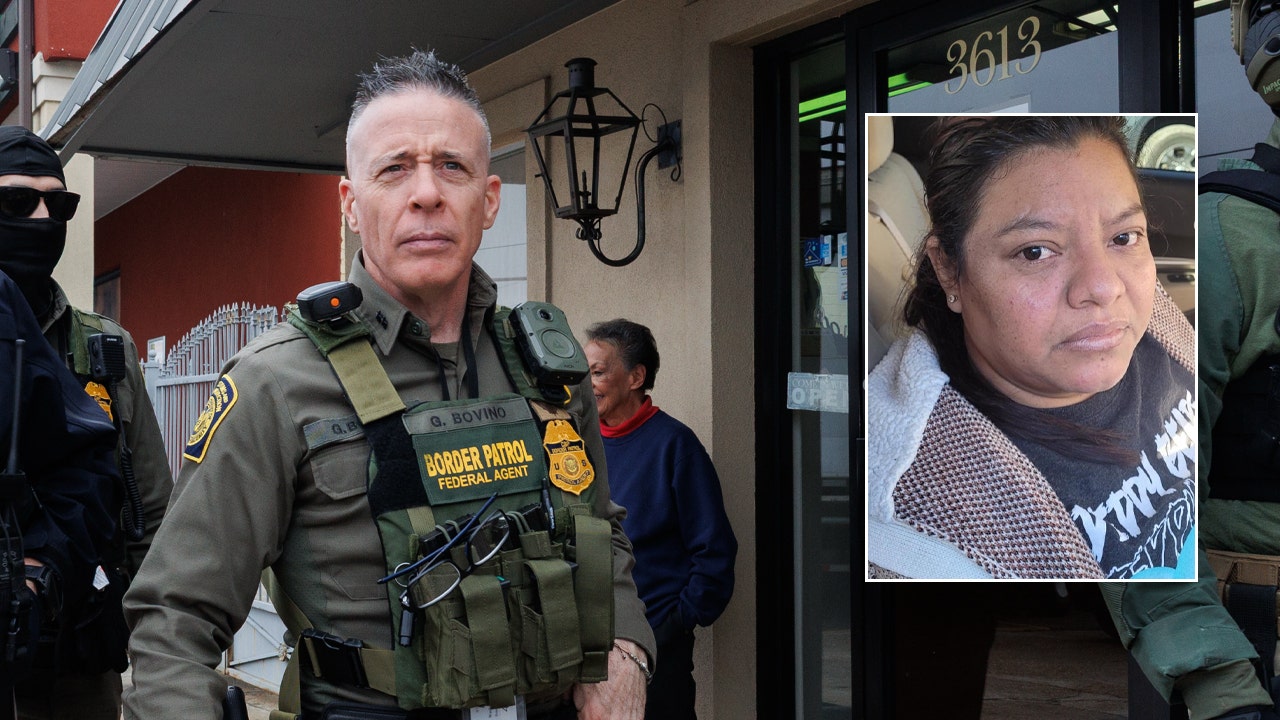
In an incident that Border Patrol Commander Greg Bovino described as “unlucky” for the perpetrator but “lucky” for law enforcement, a Honduran national found herself in custody after a traffic violation led to a collision with an Immigration and Customs Enforcement (ICE) vehicle. The incident occurred in Slidell, Louisiana, when the woman allegedly ran a red light and crashed into the government vehicle. Commander Bovino shared the encounter on social media with a touch of irony, noting that the driver “apparently never learned the lesson that red means stop,” rather than “accelerate and collide with a government vehicle actively enforcing federal law.” While no injuries were reported, the woman was promptly taken into custody following the accident, highlighting the ongoing presence of immigration enforcement operations in the area.
The collision occurred during “Operation Catahoula Crunch,” a targeted enforcement initiative focused on apprehending illegal immigrants in the New Orleans area. According to Department of Homeland Security Assistant Secretary Tricia McLaughlin, this operation specifically targets “violent criminals who were released after arrest for home invasion, armed robbery, grand theft auto and rape.” The enforcement action represents part of the broader immigration strategy under the current administration, which has emphasized stricter enforcement and removal of individuals without legal status, particularly those with criminal histories. As of December 18, ICE had reportedly apprehended approximately 370 people in the New Orleans area through this initiative, demonstrating the intensified focus on immigration enforcement in the region.
“DHS is making the New Orleans community safer as it continues to arrest illegal alien drug dealers, hit-and-run criminals, and one monster who was convicted for arson and threatening a person with intent to terrorize,” McLaughlin stated, underscoring the administration’s emphasis on public safety justifications for immigration enforcement. The language used by officials reflects the current administration’s framing of immigration enforcement as primarily a public safety and national security matter, particularly when highlighting cases involving individuals with criminal histories. While specific details about the Honduran woman involved in the collision were not made publicly available, her case has become emblematic of the broader enforcement efforts taking place across the country.
The Department of Homeland Security has reported significant numbers related to immigration enforcement in recent months. According to their data, as of December 19, DHS had deported more than 622,000 individuals in 2023. Beyond formal deportations, the department also reported that approximately 2.5 million illegal immigrants have left the country during this period, with an estimated 1.9 million of these departures characterized as “self-deportations.” These figures reflect the administration’s emphasis on not only formal removal proceedings but also creating conditions that encourage voluntary departure. The administration has pointed to these numbers as evidence of the effectiveness of its immigration enforcement strategy, though critics have questioned both the methodology behind these statistics and the humanitarian implications of such large-scale enforcement.
Operation Catahoula Crunch represents just one of many targeted enforcement initiatives being implemented across the country as part of the administration’s broader immigration strategy. These operations typically involve coordination between federal agencies, including ICE, Border Patrol, and local law enforcement, to identify, apprehend, and remove individuals without legal status. The focus on individuals with criminal histories serves both practical enforcement priorities and political messaging around immigration policy. However, immigration advocates have raised concerns about potential civil rights implications, family separations, and the impacts on immigrant communities who may avoid contact with authorities, including for legitimate needs like reporting crimes or seeking emergency services, due to fear of immigration enforcement.
The incident in Slidell serves as a microcosm of the current landscape of immigration enforcement in the United States—unexpected encounters, heightened enforcement operations, and an administration that has made immigration control a centerpiece of its policy agenda. While officials frame these efforts primarily through the lens of public safety and national security, the human dimensions of immigration enforcement remain complex. For each statistic reported by DHS, there are individual stories—some involving criminal activity, others simply unauthorized presence—that reflect the multifaceted nature of migration and enforcement. As Operation Catahoula Crunch and similar initiatives continue across the country, the debate over appropriate, effective, and humane approaches to immigration enforcement likewise persists in communities and political discourse nationwide.