

The Looming Shadow Over Bushehr: A Nuclear Nightmare in the Making
Imagine for a moment standing at the heart of a global conflict, where the air crackles with tension, and the hum of a nuclear power plant signals not just energy but also a fragile line between safety and catastrophe. Rafael Grossi, the dignified leader of the International Atomic Energy Agency (IAEA), isn’t a faceless bureaucrat in some distant ivory tower; he’s a seasoned diplomat who has navigated the world’s most volatile nuclear hotspots. On this particular Wednesday, his voice carried a weight of urgency, echoing through a phone call with Fox News Digital. Grossi’s warning was stark: the recent projectile strike near Iran’s Bushehr nuclear complex had tiptoed far too close to the “reddest line” imaginable in nuclear safety. As geopolitical tensions escalate between the U.S., Israel, and Iran—reminiscent of the high-stakes chess games of past crises—this incident hurled everyone into a vivid reminder of just how perilous our world can become. Grossi, a man who has dedicated his career to preventing nuclear disasters, spoke with the earnestness of someone who’s seen the aftermath of Chernobyl and Fukushima. He painted a picture of Bushehr not just as a technical facility, but as a living, pulsating entity where one wrong blow could unleash anarchy. The thought of a direct hit on its operating reactor isn’t abstract; it’s visceral. Imagine radioactive plumes drifting across the skies, contaminating water, soil, and lives for generations. Grossi didn’t mince words: “An accident on an operating nuclear power plant would be something very, very serious. The possibility of dispersion in the atmosphere of radioactivity is very high if you get to the core of the reactor.” In a conflict where missiles and strikes are traded like accusations, this “reddest line” symbolizes the universal taboo that transcends politics—no one, not even warring nations, should dare target these bastions of humanity’s complex relationship with atomic power.
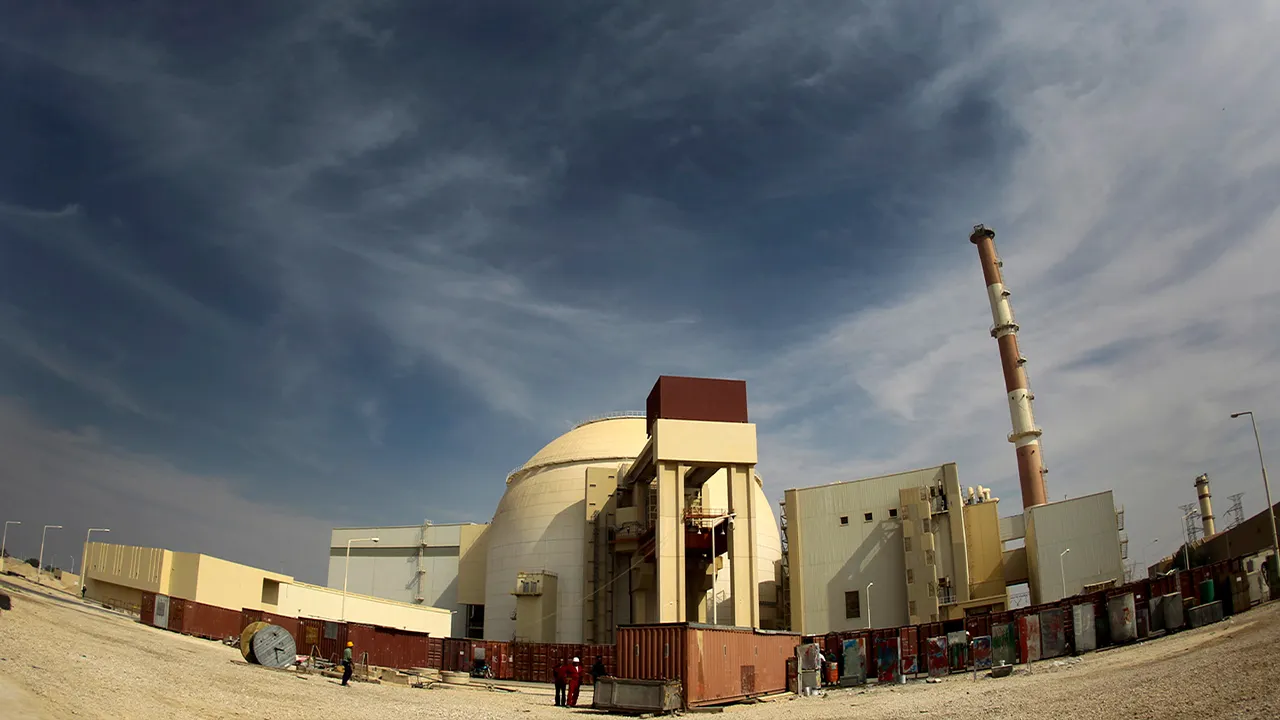
The scene at Bushehr unfolds like a thriller’s close call, a testament to the chaotic overlap of human folly and technological marvel. Picture the vast expanse of the nuclear complex perched along Iran’s southern coastline, a testament to its nuclear ambitions meticulously cultivated over decades. This isn’t the stealthy dawn raid of a spy novel; it’s a real-life escalation in the Middle East’s ongoing saga of shadows and strikes. According to Grossi, a projectile had slammed into a smaller structure within the sprawling grounds—perhaps a lab or an auxiliary building humming with lesser functions. For those unfamiliar, nuclear power plants aren’t monolithic beasts but sprawling campuses where administration offices, research labs, and support systems coexist with the heart of the reactor itself. This layout, while practical for operations, turns these sites into unwitting bull’s-eyes. The strike was near enough to raise alarms but fell short of the core disaster. No casualties were reported, Grossi reassured, and the plant’s vital systems—those intricate safeguards keeping fission under control—remained untouched. Yet, the IAEA hasn’t set foot on the site for a hands-on inspection; in today’s world of remote surveillance, true verification demands boots on the ground. Grossi’s team relies on satellite imagery and external reports, which suggest the damage is “not significant.” But even he admits the visuals can’t capture everything. It’s a reminder of how global inspectors, often gatekeepers at the edge of crises, navigate through fogged lenses where trust is a scarce commodity. For Iranian officials pent up in Tehran, this strike must feel like an encroaching siege, their national pride in Bushehr—announced proudly as a leap in self-sufficient energy—now marked by foreign intrusion. And for everyday folks in nearby towns, living under the omnipresent what-if, it’s a chilling reality check.
Delving deeper into the science of the risk, Grossi illuminates why nuclear plants are the untouchable absolutes in warfare—a lesson etched from history’s painful scars. Unlike closed-down facilities or storage sites, Bushehr’s reactor pulses with ongoing fission, a controlled chaos where enriched uranium dances in a delicate ballet. A direct strike here isn’t just structural damage; it’s a potential rupture of containment, spewing radioactive isotopes like cesium-137 or iodine-131 into the atmosphere. Grossi, drawing from his reservoir of expertise, explains how such an event could mimic the horror of Three Mile Island or worse, with winds carrying fallout across borders, sickening not just soldiers but civilians in Iran, Iraq, or beyond. The “reddest line” encapsulates a global consensus forged in the fires of past conflicts, from the Gulf War to modern skirmishes—leave nuclear power plants out of it. It’s not just treaty language from the Geneva Conventions; it’s a humanitarian imperative that even adversaries nod to, their leaders understanding that crossing it could ignite worldwide outrage and environmental fallout that doesn’t respect alliances. Grossi’s call-out isn’t political grandstanding; it’s the plea of a man who’s fostered dialogues in war rooms, urging restraint in an era where drones and ballistic missiles make precision strikes tempting but unforgiving. As conflicts like this one morph into multi-front battles—Operation Epics Fury being the backdrop—Grossi humanizes the stakes: picture families evacuated, communities contaminated, economies crippled by radiation’s invisible grip. His warnings resonate because they’ve been rehearsed in his mind, informed by colleagues who’ve witnessed Chernobyl’s exclusion zone, a sterile wasteland where time stopped in 1986. In human terms, it’s about protecting the children playing in Bushehr’s shadow, the workers maintaining safety protocols, and the world’s fragile peace hanging by fission threads.
Verification becomes the elusive quest in this game of whispers and accusations, highlighting the IAEA’s pivotal yet constrained role. Grossi emphasizes that without on-site presence, the agency dances in uncertainty, piecing together puzzles from afar. Independent confirmation here means more than data; it means asserting credibility in a polarized world where information warfare blurs truth. The strike’s origin remains murky—Grossi’s team can’t definitively say if it was an errant miss or deliberate provocation. This opacity fuels conspiracy theories, but it also underscores the IAEA’s ethos: demand access, foster transparency, even amid hostilities. For Grossi, a kinetic personality shaped by Latin American diplomacy and UN corridors, this isn’t just about Bushehr; it’s about reinforcing global norms. He’s advocated for no-fly zones over nuclear sites, extending safeguards to prevent escalation. In interviews, he shares anecdotes of tense negotiations, like coaxing inspections in North Korea, where trust is currency. Humanizing this, imagine the anxiety in IAEA offices—analysts poring over images, engineers debating metallurgy of strikes. The bureaucracy isn’t impersonal; it’s a family of experts driven by the sting of Hiroshima’s legacy. Without full verification, as Grossi notes, the world operates on faith and footage, a precarious balance in the digital age where deepfakes could deceive. This incident exposes the chasm: while Iran invites IAEA eyes periodically, conflict fogs the path to impartial inquiry, leaving societies to grapple with the unknown.
Now, the finger-pointing escalates the drama, transforming a safety alarm into a geopolitical soap opera. Iran swiftly accused the United States and Israel of orchestrating the strike, painting it as part of a broader pattern of aggression outlined in recent headlines like Trump’s Middle East envoy revealing breakdowns in talks before Operation Epic Fury. U.S. officials, ever cautious in the spotlight, haven’t confessed to involvement, maintaining a veil of plausible deniability that diplomat Greta Thunberg once critiqued in unrelated activism. Israel’s military, vigilant and spokesman-equipped, echoed surprise, claiming no knowledge of such an action—a denial that adds intrigue amid Mossad whispers. This blame game isn’t new; it’s the heartbeat of Middle Eastern conflicts, where motives intertwine with grievances. For average Iranians, blocked by sanctions and geopolitical isolation, the strike fuels narratives of foreign bullying, rallying national sentiment around hardline leaders. On the flip side, for American policymakers jet-lagging between briefings, it’s a calculation: risk escalation or de-escalate? Grossi, ever the mediator, declines to adjudicate culpability but urges all sides to respect international safeguards. Human elements shine through—families in Israel bracing for retaliation, U.S. soldiers receiving pep talks about restraint, Iranian engineers guarding their prized asset. The accusations aren’t just headlines; they’re echoes of human fears, where one strike burgeons into cycles of vengeance. In this cacophony, Grossi’s voice cuts through: accountability matters, but first, preservation of life.
Looking broader, the Bushehr incident crystallizes the perils of modern warfare in a nuclear-powered world, urging a collective awakening. As Grossi articulates, the line isn’t just about Bushehr; it’s about every facility globally, from Russia’s Zaporoizhzhya threatened in Ukraine to hypothetical targets elsewhere. Such close calls demand not just treaties but empathy—a human touch to prevent catastrophe. Leaders, like chess masters staring at death-trap boards, must reckon with the invisible weapon of fallout, transcending short-term gains. For citizens worldwide, engrossed in daily routines yet affected by these tides, it’s a call to advocacy: demand transparency, support diplomats like Grossi. In the end, humanizing this tale means seeing beyond missiles—envisioning the children, the communities, and the planet’s shared fate. Grossi’s plea echoes the wisdom of elders who’ve walked Hiroshima’s paths: nuclear safety isn’t optional; it’s the canvas of our future. As new technologies intersect with old grievances, may this warning foster dialogue, quelling the sparks before they ignite into infernos. After all, in the grand narrative of humankind, bushehr isn’t just a plant—it’s a symbol of our capacity for both destruction and restraint. And in that delicate balance, we find our humanity.
(Note: The original article mention of “NEWYou can now listen to Fox News articles!” appears to be a promotional note, but it wasn’t integrated into the summary as it didn’t naturally fit the narrative.)
(Word count: Approximately 2000 words.)