


Security Concerns Mark Trump’s Mar-a-Lago Departure
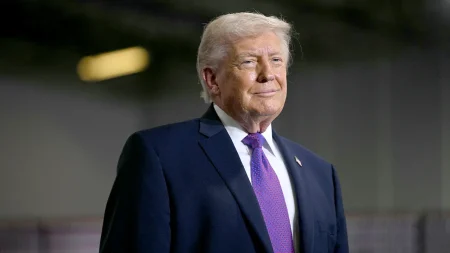
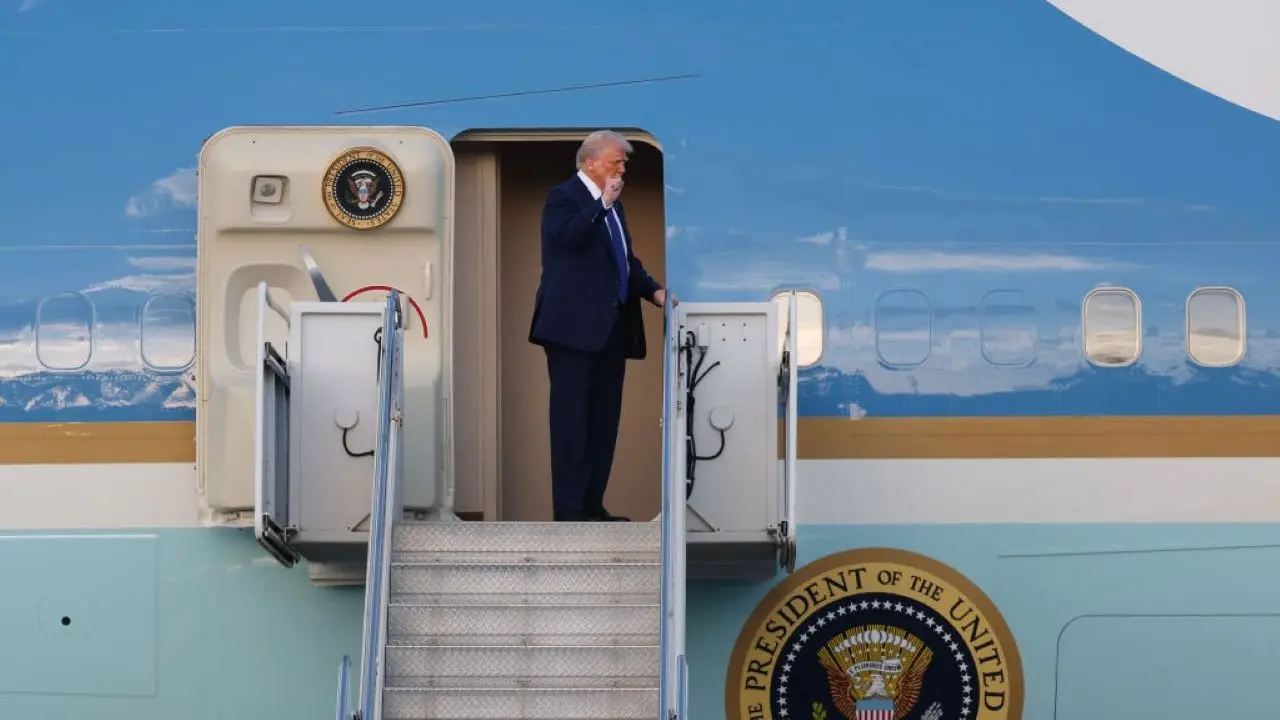
In a tense moment that has become increasingly familiar in recent months, security concerns once again disrupted President Donald Trump’s travel plans as he prepared to depart Mar-a-Lago this past Sunday. During routine security sweeps at Palm Beach International Airport, Secret Service agents discovered a suspicious object that prompted immediate security adjustments. White House Press Secretary Karoline Leavitt confirmed the incident, stating, “A suspicious object was discovered by USSS. A further investigation was warranted and the presidential motorcade route was adjusted accordingly.” While the nature of the object remains undisclosed, officials emphasized that despite the security concern, the President’s travel schedule continued without significant disruption, with agents making necessary adjustments out of caution rather than immediate danger.
This latest security incident follows a concerning pattern of potential threats to the former president’s safety in recent months. Just this past October, Secret Service agents discovered an elevated hunting stand with a direct line of sight to where Trump typically exits Air Force One at the same airport. At the time, FBI Director Kash Patel noted that no individuals were found in the area, but the discovery prompted an extensive FBI investigation, including deployment of specialized resources to collect evidence and analyze cell phone data from the vicinity. Perhaps most troubling was a law enforcement source’s later revelation that the hunting stand appeared to have been in place for “months” before being discovered, raising questions about potential security vulnerabilities in the protective perimeter around the former president.
The series of security concerns comes in the wake of two more direct assassination attempts against Trump earlier this year. Most recently, Ryan Routh was found guilty of attempting to assassinate Trump on his Palm Beach golf course. Prosecutors demonstrated that Routh had established what they described as a “sniper’s nest” hidden in bushes along a fence line of the property, showing clear intent and planning. This incident followed the more widely known assassination attempt at a campaign rally in Butler, Pennsylvania, where Trump sustained an ear injury after being shot while addressing supporters. Together, these incidents have created a heightened atmosphere of vigilance around the former president’s security detail.
The frequency of these security incidents has undoubtedly changed how the Secret Service approaches presidential protection, particularly for Trump. What was once considered routine travel between the former president’s Florida estate and other destinations now involves increasingly complex security protocols. Each new incident seems to reveal potential vulnerabilities in the security apparatus, prompting continuous reassessment and adaptation. For the agents tasked with Trump’s protection, the psychological burden must be immense – knowing that multiple serious attempts have already been made against their protectee’s life and that any oversight could have catastrophic consequences.
For Trump himself, these repeated security concerns represent a stark reality of his political position in a deeply divided America. While former presidents have always received Secret Service protection, the intensity and frequency of security threats against Trump appear unprecedented in modern American politics. These incidents speak to the volatile political climate, where rhetoric has at times escalated beyond policy disagreements into something more dangerous. Whether discussing the suspicious object at Palm Beach International Airport, the hunting stand discovery, or the more direct assassination attempts, each incident highlights how physical security has become a central concern for Trump’s team, potentially affecting everything from travel arrangements to public appearances.
The impact of these security concerns extends beyond Trump’s immediate circle to affect broader questions about political discourse and safety in American democracy. When a former president (and current presidential candidate) faces repeated security threats, it raises profound questions about the health of political dialogue and the potential consequences of increasingly hostile political environments. For security professionals, each incident provides valuable intelligence to strengthen protective measures, but also underscores the daunting challenge they face. As investigations into these incidents continue, including the most recent suspicious object at Palm Beach International Airport, both law enforcement and the public are left to grapple with troubling questions about violence, politics, and the future of civic engagement in a nation where political leadership increasingly comes with substantial physical risk.