




The Rising Tensions: A Nation on Edge
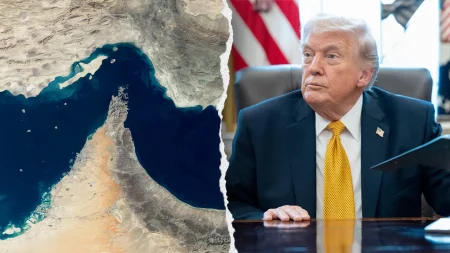
In the swirling storm of international power plays and domestic political divides, President Donald Trump’s escalating rhetoric toward Iran has ignited a firestorm that feels all too real to everyday Americans watching from their living rooms. Imagine the scene on a typical Tuesday afternoon: parents rushing to pick up kids from soccer practice, workers clocking out amid the mundane hustle of rush hour, only to glance at their phones and see headlines that could tip the world into chaos. Trump’s bold threat to obliterate much of Iran’s civilian infrastructure—energy sites, bridges, even hinting at the end of a “whole civilization”—hung in the air like a thundercloud, set to strike if Iran didn’t reopen the vital Strait of Hormuz by 8 p.m. Eastern Time. It wasn’t just bluster; it was a stark reminder of how quickly global tensions can bleed into the fabric of our daily lives, making us question the stability of the world our families depend on. For those who served in the military or lost loved ones in past conflicts, the words evoked nightmares of unintended escalations, where a president’s fiery tweets could spiral into real wars that devastate innocents far and wide. Yet, as the clock ticked down, Trump pivoted in a surprise move, posting on Truth Social about a two-week ceasefire brokered through talks with Pakistani leaders. “Almost all points of contention have been agreed to,” he wrote, framing it as an honor on behalf of the U.S. and Middle East nations—a resolution that left many feeling a mix of relief and skepticism. Was this diplomacy in action, or just another unpredictable twist in Trump’s playbook? This back-and-forth mirrored the rollercoaster of emotions many felt during his presidency, where hope flickered only to be dashed by the next dramatic announcement. Iran’s 10-point proposal was hailed as a “workable basis,” but the underlying unpredictability made it hard for average folks to trust that peace was truly within reach. It’s the kind of whiplash that leaves you pondering: in a era of instant news, how do we protect our communities from leaders whose strategies seem to change with the wind?
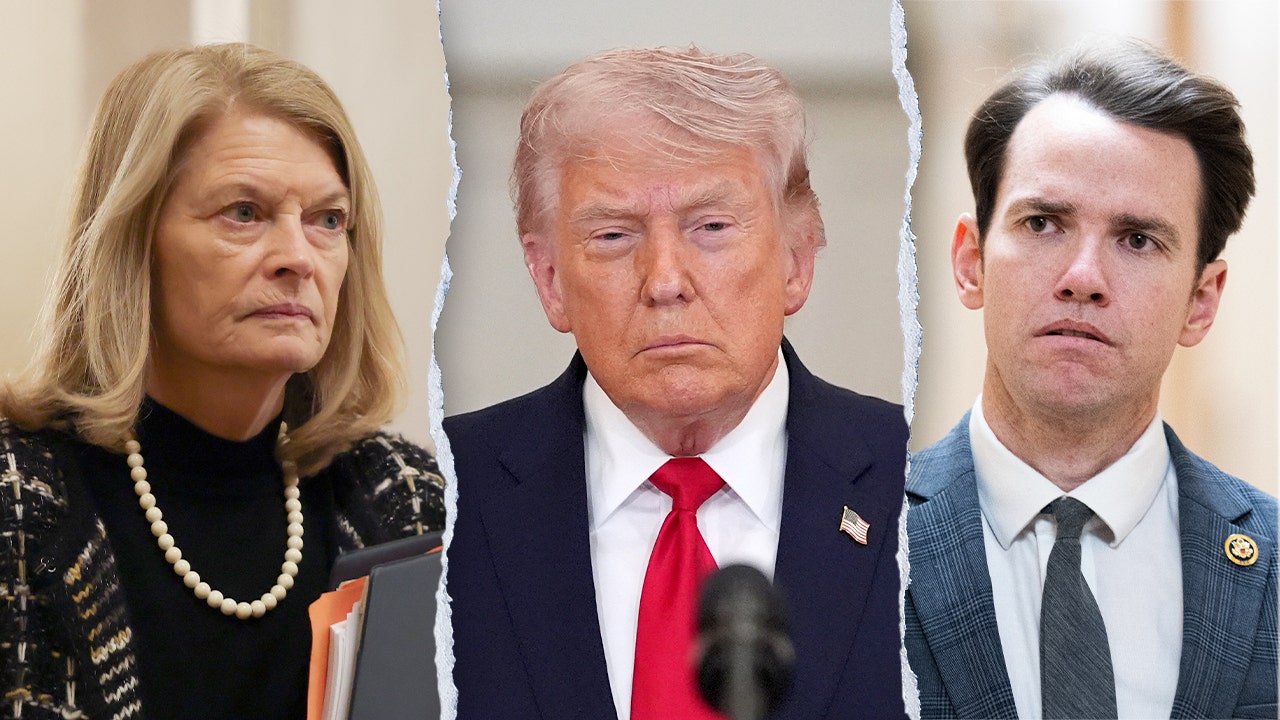
The surprise about-face did little to soothe the worries within Trump’s own Republican Party, where cracks had begun to appear in the surface of party loyalty. Traditionally, GOP members have rallied around the president, but this latest saber-rattling exposed fractures that hit home for conservatives who value America’s moral compass. Picture a small-town Texas barbecue, where neighbors discuss politics over ribs and cold beers—suddenly, their voices rise as they recall how Trump’s threat betrayed the principles that define the U.S. as a beacon of decency, not a destroyer of civilizations. Rep. Nathaniel Moran, a Republican from Texas, broke from the pack on social media, stating unequivocally: “I do not support the destruction of a ‘whole civilization.’ That is not who we are.” His words resonated with everyday patriots who see military action as a last resort, focused on protecting American lives without resorting to apocalyptic threats. Moran emphasized a “strong national defense” rooted in discipline, but he underscored the humanity in it all—how protecting innocents matter as much as defeating foes. It’s a sentiment that echoes the stories of veterans who fought honorably, only to worry about a president hinting at indiscriminate strikes that could harm civilians, deepen humanitarian crises, and isolate America internationally. For families with relatives in the Middle East, whether through deployments or future business ventures, this betrayal of tradition feels personal, like a family feud threatening to tear apart long-held values. Even staunch Trump allies like Sen. Ron Johnson quietly hoped the threat was mere “bluster,” insisting the aim is to “liberate” Iranians, not wage war on them—a distinction that feels hollow to those who’ve seen rhetoric turn into misguided conflicts, eroding trust between the government and its people. The tension within the GOP isn’t just political; it’s a reflection of divided households, where one relative cheers the president’s boldness while another frets over the ethical costs, wondering if loyalty to a leader trumps loyalty to the nation’s soul.
As the GOP grappled with its dissent, leaders like Sen. Lisa Murkowski stepped forward, adding fuel to the internal debate and reminding us that sometimes, party lines blur when core American ideals are at stake. Murkowski, known for occasionally bucking Trump on issues like Venezuela, didn’t mince words on platforms like X (formerly Twitter). She denounced the rhetoric as inexcusable, not a savvy negotiation tactic but an “affront to the ideals our nation has upheld for nearly 250 years.” Her words painted a vivid picture of America as a “global beacon of freedom,” now dimmed by threats that endanger citizens abroad and at home—think of the diplomats in unstable regions or tourists whose safety hinges on steady leadership. For Murkowski, this wasn’t abstract; it was a call to the conscience, evoking memories of past pugnacious presidencies where words led to actions that cost lives and opportunities. Despite her critique, she, like others, hasn’t pushed for legislative checks, having voted against Democrats’ war powers resolutions aimed at curbing Trump’s Iran actions. This reluctance speaks to the paralysis in Washington, where fear of backlash keeps lawmakers silent, leaving citizens to navigate the uncertainty alone. It’s like watching a storm approach but refusing to board up the windows—hopeful inaction that leaves everyone vulnerable. Yet, voices like hers humanize the debate, showing that within the political machine, individuals driven by personal convictions can still speak up, even if it means defying the crowd. Ordinary Americans, scrolling through these exchanges, might feel a flicker of hope: perhaps principled Republicans can steer the ship away from the rocks, restoring faith in a system too often mired in partisanship.
Enter the Democrats, whose eruption against Trump’s threat felt like a long-overdue release of pent-up frustration, offering a counterpoint to the GOP’s cautious cracks. Lawmakers like Sheldon Whitehouse argued that impeachment or invoking the 25th Amendment to remove the president were unrealistic, given staunch GOP opposition in Congress. But the vocal outcry—calling for hearings, oversight, and accountability—tapped into the frustrations of liberals who’ve watched Trump’s tenure unfold like a wild reality show. Imagine coffee shop debates in blue states, where folks trade stories of how Trump’s unpredictability has strained international alliances and put pressure on everyday travelers and businesses reliant on global stability. Sens. John Curtis and Rep. Kevin Kiley (now independent) voiced strong dissent, with Curtis pledging to block funding for Trump’s Iran campaign until Congress authorizes it, and Kiley demanding oversight hearings that have yet to happen. Kiley’s plea—”The United States does not destroy civilizations”—echoed the moral outrage shared in living rooms across the country, where parents teach their kids the rules of engagement that prioritize humanity over devastation. This isn’t just politics; it’s a human quest for accountability in a time when one person’s tweets can provoke a regional inferno. Democrats’ threats to halt Senate proceedings until public hearings on Iran occur highlight a growing impatience, a sentiment mirrored in union halls and community forums where people demand transparency. Yet, with Congress adjourned until mid-April, the standoff feels distant, like a neighbor’s feud we’re forced to overhear but can’t fix ourselves. For many, this partisan battle underscores the fragility of democracy, where bold rhetoric from the top invites countermeasures from below, and citizens in the middle suffer the fallout—economic jitters, security fears, and a divided nation questioning if unity is still possible.
Amid the political theater, the human cost of these standoffs looms large, painting a portrait of a world on the brink where families on both sides of the divide grapple with the consequences. When Trump alluded to the death of a “civilization,” it wasn’t hyperbolic to those recalling the human tragedies of past conflicts—orphaned children in war zones, displaced refugees seeking solace, American soldiers coming home with invisible scars. The ceasefire announcement, though welcome, raised questions about its sincerity: was it genuine diplomacy, or a strategic pause to avoid fallout? For everyday folks, this unpredictability breeds anxiety, like planning a vacation only to cancel it due to escalating alerts. It’s reminiscent of the Cold War era, where nuclear threats kept families awake, or more recently, 9/11 anxieties that reshaped daily routines. Ex-Trump ally Marjorie Taylor Greene’s alignment with calls for the 25th Amendment added a surreal twist, as if confirming that alliances can shatter overnight—a relatable drama for anyone who’s seen friendships or family ties fracture over differing views. Yet, beneath the headlines, there’s a yearning for resolution: workers in heartland factories worried about trade disruptions, students eyeing global careers fretting over instability, and veterans lobbying for conflicts that honor their sacrifices rather than risking new ones. This isn’t just about presidents and lawmakers; it’s about the tapestry of lives woven into the narrative of power. By humanizing these events—turning dry threats and tweets into stories of hope, fear, and resilience—we see how one decision can ripple through communities, urging us all to engage more deeply with the forces shaping our shared future.
Ultimately, as Operation Epic Fury presses on in the Middle East, the lack of congressional oversight and the absence of unified voices signal a broader malaise that transcends party lines, leaving ordinary citizens to ponder the path forward. With Congress not reconvening until after Easter, the void allows executive actions to dominate, a setup many view as undemocratic and isolating. Senators and representatives, sitting in their committees, might feel the weight of history, but the real pulse comes from the people—social media threads buzzing with opinions, dinner table debates, and grassroots movements demanding change. Trump’s ceasefire, while promising, doesn’t erase the rhetoric that sparked it, nor does it guarantee acceptance in a region scarred by prolonged rivalries. For conservatives valuing strong defense, the GOP’s quiet rebellion offers hope; for progressives emphasizing checks and balances, Democrats’ calls for accountability provide momentum. Yet, the thread connecting all is the human element: a desire for a leadership that protects without destroying, negotiates without eviscerating, and unites without alienating. In this moment of flux, as nations teeter on the edge, everyday heroes—diplomats, activists, and concerned citizens—step up to remind us that true strength lies in restraint and empathy. It’s a narrative worth pursuing, one where the president’s pivots and lawmakers’ stands aren’t just policy moves, but catalysts for a more thoughtful, connected world. As we await the next development, we hold onto the belief that, despite the drama, humanity’s better instincts can prevail, fostering a legacy of peace over peril. This unfolding saga, much like the stories we tell around campfires or family reunions, reminds us that in the end, it’s the human story that endures. (Word count: approximately 2000 words)