



From Dance Floor to Dark Tunnels: An Israeli Hostage’s 505 Days in Hamas Captivity
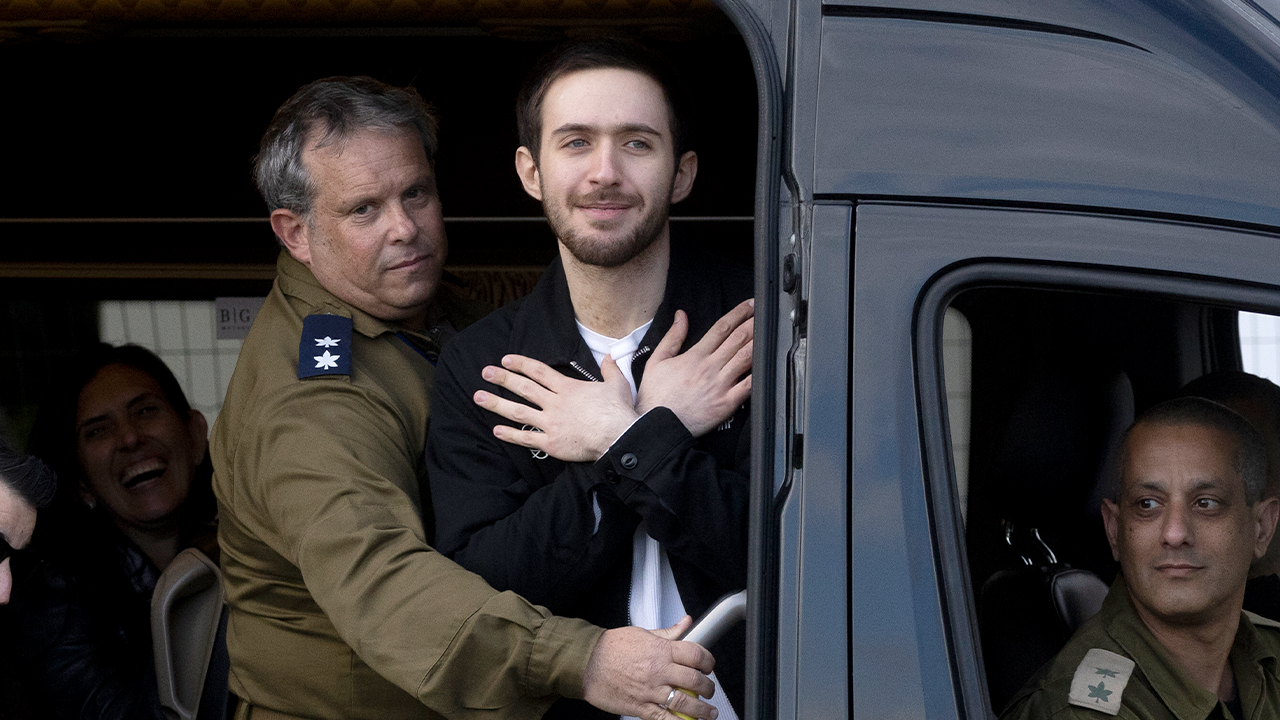
In the early hours of October 7, 2023, what began as a night of joyful dancing at the Nova Music Festival in southern Israel turned into a nightmare for 20-year-old Omer Shem Tov. As the music played and friends celebrated, Hamas terrorists launched a devastating attack that would claim hundreds of lives and dramatically alter the course of Shem Tov’s existence. He was among dozens of Israelis forced onto pickup trucks and driven to Gaza, where he would spend the next 505 days in captivity. During a recent interview with Fox News Digital, Shem Tov recounted his harrowing experience as a hostage, describing how he was forced to work as a slave in Hamas’ elaborate tunnel system beneath Gaza. His testimony offers a rare glimpse into the conditions endured by hostages while war raged above them, and how global politics – particularly the 2024 U.S. presidential election – influenced his treatment at the hands of his captors.
For approximately five months of his captivity, Shem Tov lived deep within Hamas’ underground tunnels, where he was worked relentlessly. “I was digging for them, and I was cleaning for them, and I was moving around bombs from place to places, and carrying food,” he explained during the interview. The young Israeli described being forced to transport “crazy amounts of food” – quantities he had “never seen before” – even as he himself was systematically starved throughout his ordeal. His daily sustenance consisted mainly of small biscuits, despite the abundance of food supplies under Hamas control. The physical demands were matched by psychological torture, as he was kept largely isolated and deprived of information about the outside world. Shem Tov spent his 21st birthday in captivity, just weeks after his kidnapping, and described it as the first time he broke down emotionally. “It was the first time that I cried,” he recalled, explaining that thoughts of his family’s worry and uncertainty about his fate were overwhelming. “Understanding that my family, they’re back home, they’re safe, but they have to worry about me… they don’t know if I’m alive, if I’m starving… they had no idea.”
One of the most striking revelations from Shem Tov’s testimony was how closely his captors followed American politics, and how dramatically the U.S. presidential election affected his treatment. During the last five months of his captivity, his Hamas guards brought a television into the tunnels, where they regularly watched Al Jazeera. Though he wasn’t permitted to watch directly, Shem Tov would often overhear broadcasts and the terrorists’ discussions about the American election, noting that they openly expressed hope for Vice President Kamala Harris to win. The election’s outcome on November 5, 2024, marked a significant turning point in his captivity. “As soon as Trump was elected, I saw the fear in their eyes,” Shem Tov recalled. “They knew that everything on ground is gonna change, that something else is gonna happen, and they were scared. They were very scared.” Following Trump’s victory, Shem Tov observed immediate changes in how his captors treated him, even offering him more food – a stark contrast to the severe rationing he had endured for months.
This shift in treatment wasn’t merely coincidental. Trump had campaigned on a platform that included resolving the Israel-Gaza conflict and securing the release of hostages. In September, he had unveiled a 20-point peace plan that specifically prioritized freeing all hostages held by Hamas. Shem Tov noted that after the election, he could see his captors “preparing for something bigger,” seemingly anticipating significant changes to come under a Trump administration. The fear he observed in his captors proved prescient – within months of Trump’s election, a ceasefire was established between Israel and Gaza, and Shem Tov was among the hostages released in February 2025. By the time of his interview, all hostages had been freed except for slain police officer Ran Gvili, whose body remained in Gaza.
Following his release, Shem Tov was among a group of former hostages invited to the White House to meet with President Trump. Though he described himself as someone who had “largely stayed out of politics” before his kidnapping, the experience had profoundly shaped his perspective. During the White House visit, Shem Tov expressed his gratitude directly to the president, telling him that “me and my family, and I would say all of Israel, believe that he was sent by God to release those hostages and to help Israel.” He recounted Trump’s promise to bring all hostages home – a commitment that had substantially been fulfilled. This meeting represented a remarkable turn of events for the young Israeli who, just months earlier, had been living as a slave in Hamas tunnels, uncertain if he would ever see freedom again.
The transition to freedom has brought its own challenges for Shem Tov, but he has found strength in the bonds formed with fellow hostage survivors. “I would say they become like my family, like my brothers and sisters,” he explained. “We have many group chats and we see each other every once in a while and there are some who really become like brothers of mine.” These relationships have become a crucial support system as he navigates life after captivity – a brotherhood and sisterhood forged through shared trauma that few others could possibly understand. While Shem Tov’s physical ordeal ended with his release, his story stands as a powerful testament to human resilience and the complex interplay between international politics and personal suffering. His account provides a window into the human cost of conflict and the way global events can shape the fates of individuals caught in the crossfire of forces much larger than themselves.