




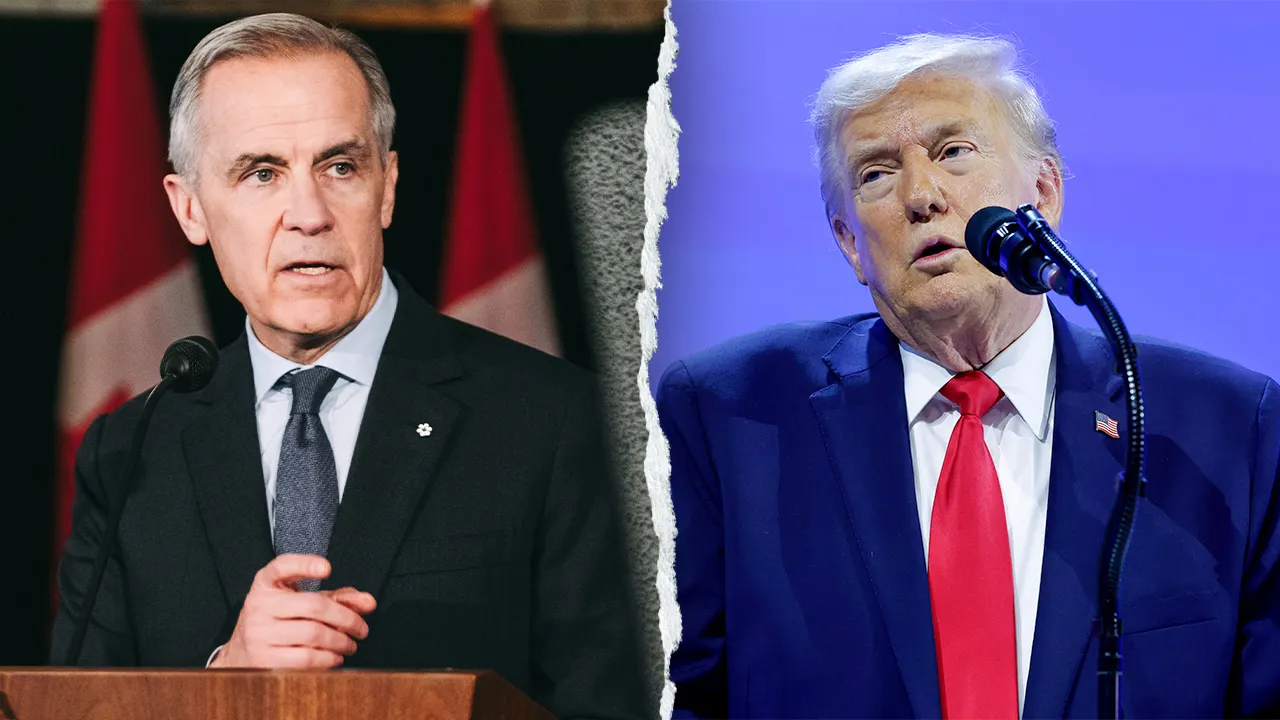
Trump Threatens Canada with 100% Tariffs in Escalating Trade Tensions
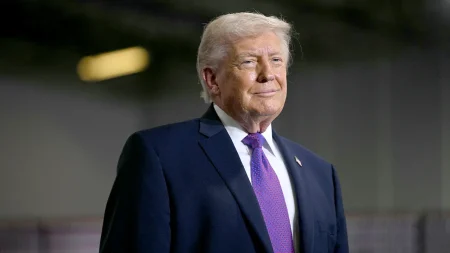
Former President Donald Trump has threatened to impose 100% tariffs on Canadian goods if Prime Minister Mark Carney moves forward with any arrangements that could make Canada a “drop-off port” for Chinese products entering the United States. In a strongly worded statement on Truth Social, Trump warned that “China will eat Canada alive, completely devour it, including the destruction of their businesses, social fabric, and general way of life.” The former president’s comments come shortly after Carney’s first official visit to China in mid-January, where the Canadian leader worked to strengthen diplomatic and economic ties with Beijing. During this visit, Canada and China reached agreements allowing up to 49,000 Chinese electric vehicles to enter the Canadian market at a reduced tariff rate of 6.1%, while China promised to lower tariffs on Canadian agricultural products including canola seed, lobsters, and crabs.
The rising tensions between Trump and Carney were further highlighted at the recent World Economic Forum in Davos, Switzerland, where both leaders delivered speeches that seemed aimed at one another. Without directly naming Trump, Carney suggested that the “rules-based order is fading” and called for “middle powers” like Canada to assert themselves on the global stage, stating pointedly that “if you are not at the table, you are on the menu.” Trump responded sharply in his own address, saying that Canada “should be grateful” because the country gets “a lot of freebies” from the United States. “Canada lives because of the United States. Remember that, Mark, the next time you make your statements,” Trump declared, referring to the Canadian Prime Minister by his first name.
The diplomatic rift deepened when Trump issued an “open letter” on Truth Social revoking Canada’s invitation to join what he called the “Board of Peace,” a U.S.-led council intended to manage Gaza’s post-war future. “Please let this Letter serve to represent that the Board of Peace is withdrawing its invitation to you regarding Canada’s joining, what will be, the most prestigious Board of Leaders ever assembled, at any time,” Trump wrote, though reports indicate that the inauguration of this board had already taken place after Carney had left. Upon returning to Canada, Carney directly challenged Trump’s characterization of the Canada-U.S. relationship during a cabinet retreat in Quebec, stating firmly: “Canada doesn’t ‘live because of the United States.’ Canada thrives because we are Canadian. We are masters in our own house. This is our country. This is our future. The choice is ours.”
Trump’s threat of 100% tariffs represents a significant escalation in his approach to trade relations with America’s northern neighbor. Throughout his previous presidency, Trump frequently criticized Canada’s trade practices and negotiated aggressively during the renegotiation of NAFTA into the USMCA. The former president’s latest comments also reflect his continued focus on China as an economic adversary, viewing any country’s deepening ties with Beijing as potentially threatening to U.S. interests. His characterization of Carney as a “governor” rather than Prime Minister echoes previous campaign rhetoric about potentially annexing Canada, underscoring the dismissive tone Trump has adopted toward Canadian sovereignty.
The stakes of this confrontation are particularly high for Canada, which conducts approximately 75% of its total trade with the United States. Any implementation of substantial tariffs would have devastating consequences for the Canadian economy, which relies heavily on cross-border commerce. Meanwhile, Carney’s visit to China represents Canada’s efforts to diversify its trading relationships and reduce economic dependence on the United States. During his meetings with Chinese President Xi Jinping, Carney emphasized that “at its best, the Canada-China relationship has created massive opportunities for both our peoples,” suggesting a strategic pivot that clearly alarmed the former U.S. president.
As this diplomatic tension continues to unfold, both nations face challenging questions about sovereignty, economic independence, and the future of North American trade relationships. Carney’s assertion that Canadians are “masters in our own house” directly challenges Trump’s view of Canada as essentially dependent on U.S. goodwill. While Trump is no longer in office, his statements continue to influence international perceptions and market considerations, particularly given the possibility of his return to power in future elections. The confrontation highlights the delicate balancing act that middle powers like Canada must perform in navigating relationships with both the United States and China, especially as global trade tensions continue to rise and the international order faces increasing uncertainty.