


Trump Claims US Control Over Venezuela Following Maduro’s Arrest
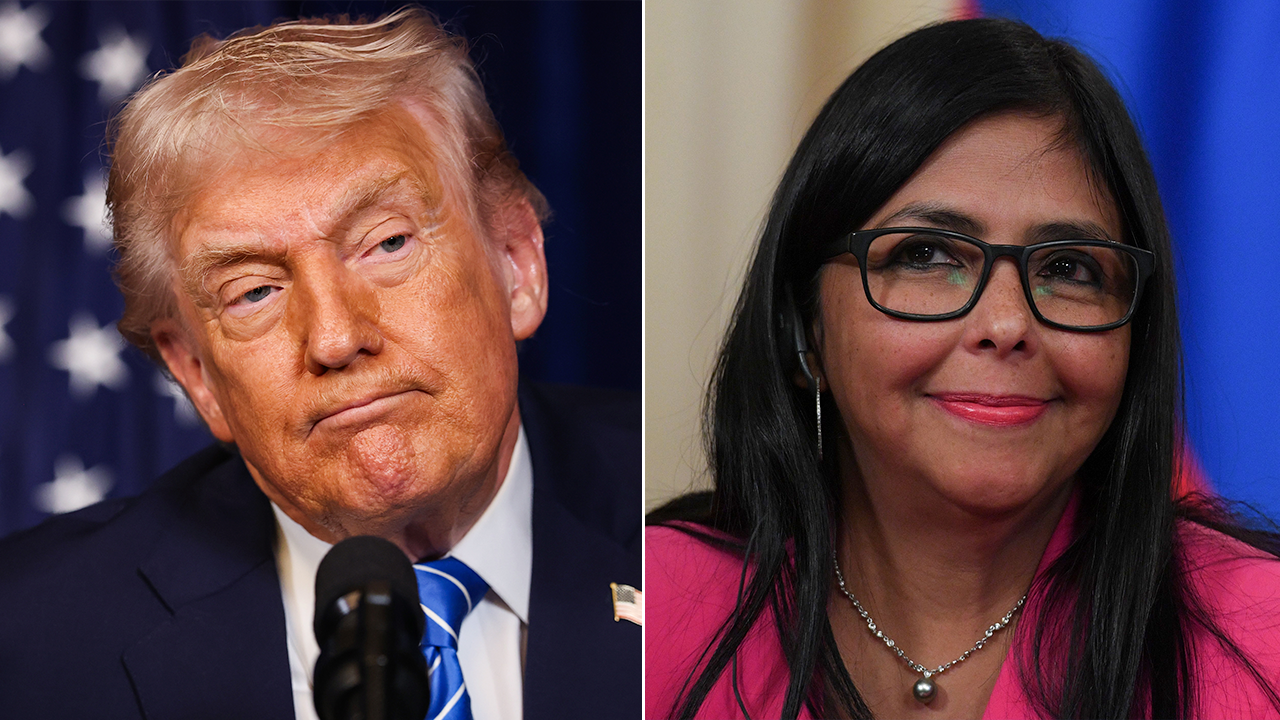
In a significant development on the world stage, President Donald Trump has announced that the United States has taken control of Venezuela following the arrest of longtime leader Nicolás Maduro. Speaking to reporters on Saturday after a US military operation led to Maduro’s capture, Trump outlined an ambitious vision for rebuilding the South American nation while making controversial statements about who now governs the country. “Don’t ask me who’s in charge because I’ll give you an answer, and it’ll be very controversial,” Trump told reporters before clarifying: “It means we’re in charge.” This declaration comes amid mounting questions about Venezuela’s governance structure following the sudden power vacuum, with newly sworn-in Vice President Delcy Rodríguez ostensibly at the helm of the Venezuelan government.
Trump portrayed Venezuela as a failed state that requires extensive American intervention before it can transition to democratic rule. He repeatedly emphasized that the country’s infrastructure and economy had been devastated by years of mismanagement under Maduro’s leadership. Drawing a dramatic comparison to domestic politics, Trump claimed that the United States would have suffered a similar fate “if I had lost the election. We would have been Venezuela on steroids.” This framing allows Trump to position the intervention as not only necessary for Venezuela but as a cautionary tale supporting his domestic political narrative. Despite not having spoken directly with Rodríguez, Trump suggested coordination is already underway between US officials and Venezuela’s new leadership, indicating an immediate American role in directing the country’s affairs.
The centerpiece of Trump’s plan for Venezuela focuses on rebuilding its once-thriving oil industry, which he claims was “stolen” from American interests. “The oil companies are going to go in and rebuild this system. They’re going to spend billions of dollars, and they’re going to take the oil out of the ground, and we’re taking back what they sell,” Trump explained. He emphasized that American oil companies – not US taxpayers – will finance this reconstruction effort, characterizing the approach as reclaiming rightful American property: “Remember, they stole our property. It was the greatest theft in the history of America.” This economic focus suggests that energy interests are a significant driver behind the operation, though Trump rejected characterizations that oil was the primary motivation for the intervention.
Perhaps most controversially, Trump stated that elections in Venezuela would be postponed until the country achieves sufficient stability. “We’re going to run everything,” Trump declared. “We’re going to run it, fix it. We’ll have elections at the right time.” This indefinite delay of democratic processes raises significant questions about sovereignty and self-determination for Venezuelans. Trump justified this approach by arguing that rushing a vote in a collapsed state would merely repeat past failures, positioning the US as a necessary caretaker of Venezuela’s governance during what he describes as a recovery period. When questioned about whether this constitutes regime change, Trump rejected the label, instead framing the effort as part of a broader security doctrine aligned with historical American policy in the Western Hemisphere, specifically invoking the Monroe Doctrine as precedent.
Beyond oil and governance, Trump outlined humanitarian concerns as part of the US role in Venezuela. He spoke of rebuilding the country while caring for Venezuelans displaced by years of economic collapse, including those currently living in the United States. “We’re going to cherish a country,” Trump said. “We’re going to take care of, more importantly, of the people, including Venezuelans that are living in our country that were forced to leave their country, and they’re going to be taken very good care of.” This humanitarian framing attempts to position the military operation and subsequent US control as beneficial for the Venezuelan people themselves, rather than merely serving American interests. However, the lack of specificity regarding the timeline for restoration of Venezuelan sovereignty raises questions about the ultimate intentions behind the intervention.
The statements on Venezuela came as part of broader foreign policy comments that included warnings about other nations in the Western Hemisphere and beyond. Trump specifically singled out Colombia, describing it as “very sick too” and accusing its leadership of enabling large-scale drug trafficking into the United States. When asked whether this meant potential US action against Colombia, Trump replied ominously, “It sounds good to me.” He also addressed ongoing protests in Iran, warning that “if they start killing people like they have in the past, I think they’re going to get hit very hard by the United States.” These additional comments suggest Trump is positioning the Venezuela operation within a larger framework of assertive American foreign policy focused on perceived threats to US security interests, potentially signaling a willingness to intervene militarily elsewhere if deemed necessary.