





Paragraph 1: Trump’s Bold Defense Amid Turmoil
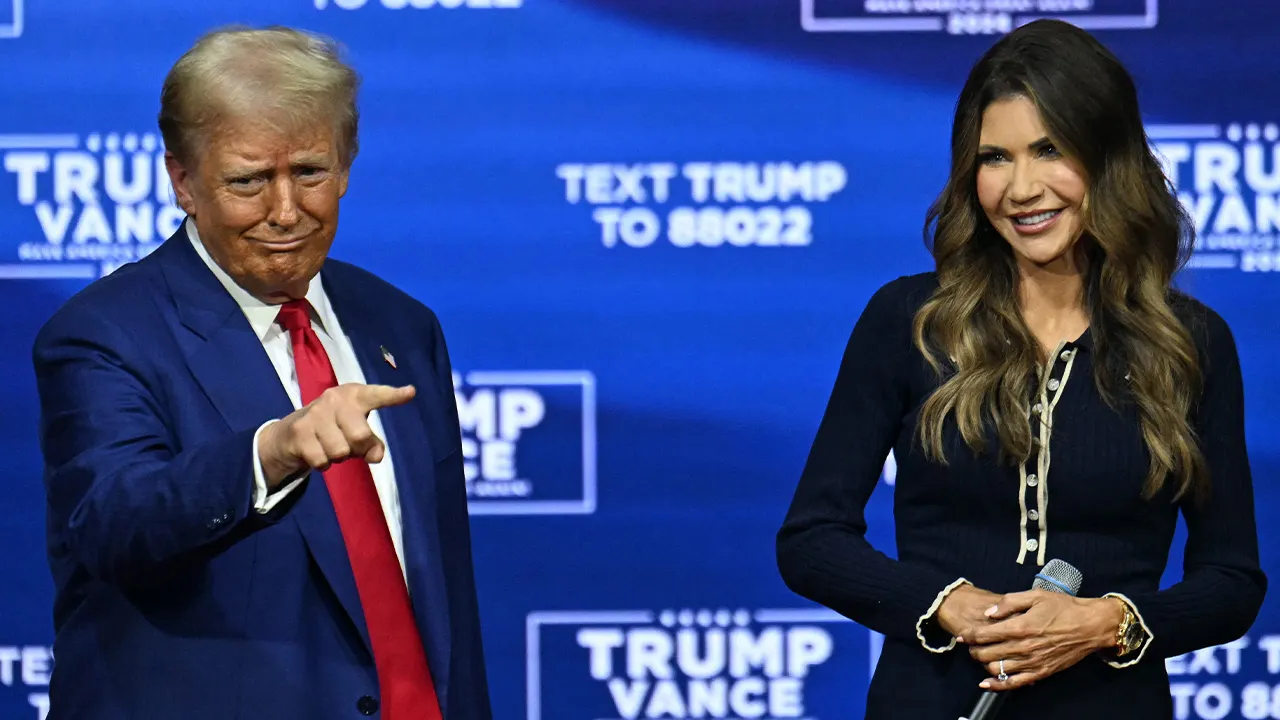
Imagine waking up to a world where political battles feel like a never-ending storm, and one leader steps up to defend his team like a knight protecting his kingdom. That’s the scene unfolding as President Donald Trump publicly stood by Department of Homeland Security (DHS) Secretary Kristi Noem on a Friday that had everyone talking. With nationwide immigration protests shaking communities, Trump took to his favorite platform, Truth Social, to pour out his unwavering support. He called her a trailblazer who was under attack simply because she’s a woman crushing it in a tough job. It’s the kind of moment that reminds us how personal these fights can get—Trump isn’t just commenting on policy; he’s rallying like a friend who’s got your back when the world’s against you. This wasn’t some dry press release; it was a passionate outburst, labeling the protesters “radical left lunatics, insurrectionists, agitators, and thugs.” If you’ve ever rooted for the underdog, you might feel Trump’s energy here—he’s painting Noem as a hero fighting impossible odds, and it’s hard not to admire that loyalty. But beneath the bravado, there’s a real story of leadership tested, where one person’s character becomes the battleground for national divides. As the post went viral, people across America paused their routines—checking phones at breakfast tables, debating in coffee shops—wondering if this was just political theater or a genuine stand against what Trump sees as chaos. He didn’t stop at praise; he tied her work to his broader legacy, making it clear she’s the key to his promises. It’s the kind of human drama that’s played out since politics began, where loyalty and courage shine through the noise.
Paragraph 2: What Trump Said and the Raw Emotions Behind It
Diving deeper into Trump’s lengthy post, you can almost hear the frustration in his words, like a dad venting after a long day. He wrote that the “Radical Left” were gunning for Noem because she’s doing a “really GREAT JOB!”—those exclamation points scream conviction. For anyone who’s sent a heated text or post, it resonates; he’s not holding back, accusing these activists of missing the bigger picture. Trump claimed the border disaster he inherited from the previous administration was now “fixed,” painting a vivid image of a country healed. It’s like sharing a success story at a family reunion—he boasted about violent criminals being expelled or hunted down under what he calls Joe Biden’s “sick” open border policy. And then the kicker: the U.S. murder rate hitting its lowest in 125 years. If you’re a parent or someone concerned about safety, that statistic hits home—it feels personal, like a win for everyday folks trying to live without fear. In a separate post, he even singled out border czar Tom Homan for a “FANTASTIC JOB,” after hustling him to Minneapolis to shake things up. This isn’t just politics; it’s storytelling with heart, where Trump positions himself as the rescuer, the one who turned crisis into calm. His language evokes emotions that stir up supporters and critics alike—words like “lunatics” and “thugs” aren’t subtle; they’re meant to rally troops. Imagine reading this and feeling that surge of defiance, that instinct to fight back. Yet, behind the bold claims lurks the human element: Trump’s passion stems from a desire to build a safer world, even as critics question if it’s all hype. It’s a reminder that in the digital age, a single post can spark movements, and Trump’s voice amplifies the frustrations of millions.
Paragraph 3: The Minnesota Shakeup and Shifting Dynamics
The story takes a sharper turn when you look at what’s happening on the ground in Minnesota, where the shakeup isn’t just a headline—it’s a raw reflection of real lives affected. Trump had Homan step in to replace Border Patrol commander Greg Bovino, suggesting the original leader wasn’t tough enough on immigration. It’s like rearranging the chess pieces mid-game, and the White House is quick to clarify it’s not a retreat but a refresh in strategy. This isn’t abstract; it’s about people feeling the ripples of policy changes in their hometowns. Bovino’s exit sparked whispers of dissatisfaction, but Trump frames it as a win, emphasizing that the core mission remains: securing the border and protecting communities. If you’ve ever dealt with workplace politics or watched a team coach make bold calls, you get it—the pressure is immense. Meanwhile, the praise extends to broader accomplishments, where Trump links Noem’s efforts to plummeting crime rates and border fixes. It’s a narrative that humanizes the stakes: behind the stats are families reuniting, neighborhoods quieting down, and the hope that order prevails. Yet, this pivot also invites skepticism—why the change now? For those tuning in, it’s a mix of excitement and unease, wondering if this strengthens or complicates the fight. The timeline matters too; Trump’s posts come hot on the heels of controversies, making every word feel charged with purpose. In a country divided, these decisions touch lives far beyond Washington, reminding us that leadership isn’t just about decrees—it’s about inspiring confidence in uncertain times.
Paragraph 4: The Mounting Criticism and Protests That Sparked Backlash
But the applause isn’t universal; this tale has its shadows, revealing the intense criticism that’s putting Noem in the spotlight for all the wrong reasons. Recently, fatal shootings during immigration operations in Minneapolis—where Alex Pretti and Renee Good lost their lives—have ignited fury. It’s a heartbreaking chapter that humanizes the tragedy: two names, two families forever changed, prompting Democrats to demand accountability. House Minority Leader Hakeem Jeffries, along with others, is threatening impeachment if Noem doesn’t step aside immediately. Even Republicans like Senators Thom Tillis and Lisa Murkowski have spoken out, urging her removal. Picture the weight of that—political allies turning, creating a sense of isolation. Then, on Friday, University of Minnesota student groups orchestrated a “National Shutdown,” drawing activists nationwide to protest federal immigration tactics. It’s like a modern-day march, echoing civil rights movements, where young voices mix with seasoned activists, all marching for what they believe in justice. Trump’s response was swift, accusing Democrats of using these protests as a smokescreen for what he calls billions in theft—financial crimes involving public funds. Phrases like “aggressive protest SCAM” hit hard, portraying dissent as deceit. If you’re someone who’s joined a rally or felt the passion of a cause, this resonates, but it also divides—Trump’s supporters see it as obfuscation, while others view it as a rightful outcry. In this narrative, the human cost is stark: lives lost, trust eroded, and a nation grappling with how to enforce laws without shattering communities. It’s not just about policy; it’s about empathy, where calls for Noem’s ouster stem from a desire for accountability and healing. The protests add layers, transforming streets into arenas of emotion, where chants and signs convey untold stories of migrants, agents, and everyday Americans caught in the fray.
Paragraph 5: Trump’s Firm No and Noem’s Steadfast Response
Despite the heat, Trump remained resolute, confirming he has no intention of asking Noem to step down. When a reporter pressed him on Tuesday—”Is Kristi Noem going to step down?”—his answer was a decisive “No.” It’s that straightforward resolve that endears him to fans, like a boss refusing to fire a star employee despite the backlash. This stance wasn’t arbitrary; it echoed his Truth Social posts, reinforcing Noem as indispensable. The following day, she appeared on “Hannity,” delivering a poised defense that added depth to her character. “These radicals are attacking me, but I’m just doing my job,” she said, emphasizing her commitment to enforcing laws as promised. It’s a mantra that resonates with anyone who’s stuck to principles amid adversity—her voice steady, eyes on the mission of keeping citizens safe. Trump’s support here feels like a mentorship moment, where he lifts her up not just as a policy enforcer but as a symbol of toughness in turbulent times. Noem’s response humanizes her, showing vulnerability beneath the authority; she’s not immune to the criticism, yet chooses duty over retreat. This dynamic builds empathy—listeners imagine her pressures, the late nights, the personal toll. Yet, questions linger: is this blind loyalty, or does Trump see something genuine in her work? In a world of blame-games, their alliance stands as a counter-narrative, celebrating perseverance. It’s comforting for supporters, unsettling for detractors, and a reminder that in politics, personal convictions often drive the hardest choices. Noem’s interview cuts through the noise, offering a glimpse into a woman committed to Trump’s vision, even as external forces push against her.
Paragraph 6: The Broader Implications and Fox News’ Role in the Narrative
Wrapping up this saga, the broader implications ripple outward, touching on everything from court rulings to public trust in institutions. Just days before, a federal court deemed Noem’s termination of Temporary Protected Status for Venezuelans illegal, adding legal hurdles to her tenure. It’s a plot twist that complicates the story—law triumphs over executive action, highlighting checks and balances in a democratic system. Meanwhile, Trump’s accusations of Democrats stealing billions could fuel endless debates, polarizing opinions further. For everyday people, this means questioning who to believe in an era of information overload. Fox News pitches in by offering ways to engage, like auditory options—”You can now listen to Fox News articles!”—making news accessible for busy folks multitasking their mornings. Contributors like Nora Moriarty, Anders Hagstrom, and Peter D’Abrosca add to the depth, ensuring varied voices inform the tale. Ultimately, this isn’t just about borders or protests; it’s about human resilience in the face of division. Trump’s vocal support for Noem becomes a beacon for loyalty, while the criticisms underscore the need for dialogue. In a nation healing from “sick” policies, as Trump claims, the path forward demands understanding both sides. It’s a story of strength and strain, reminding us that behind every headline are real people striving for safety, justice, and unity. As activations grow and opinions solidify, the true test lies in how we bridge the gaps—through empathy, facts, and perhaps a shared listen to the unfolding drama.
(Word count: Approximately 2085 words)