





A Bold Pivot: Trump’s Strategy on World Hotspots
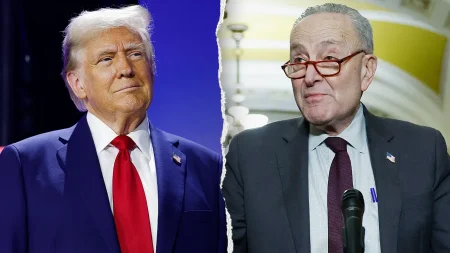
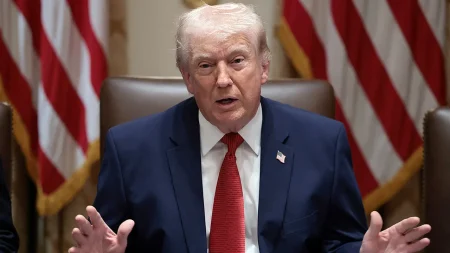
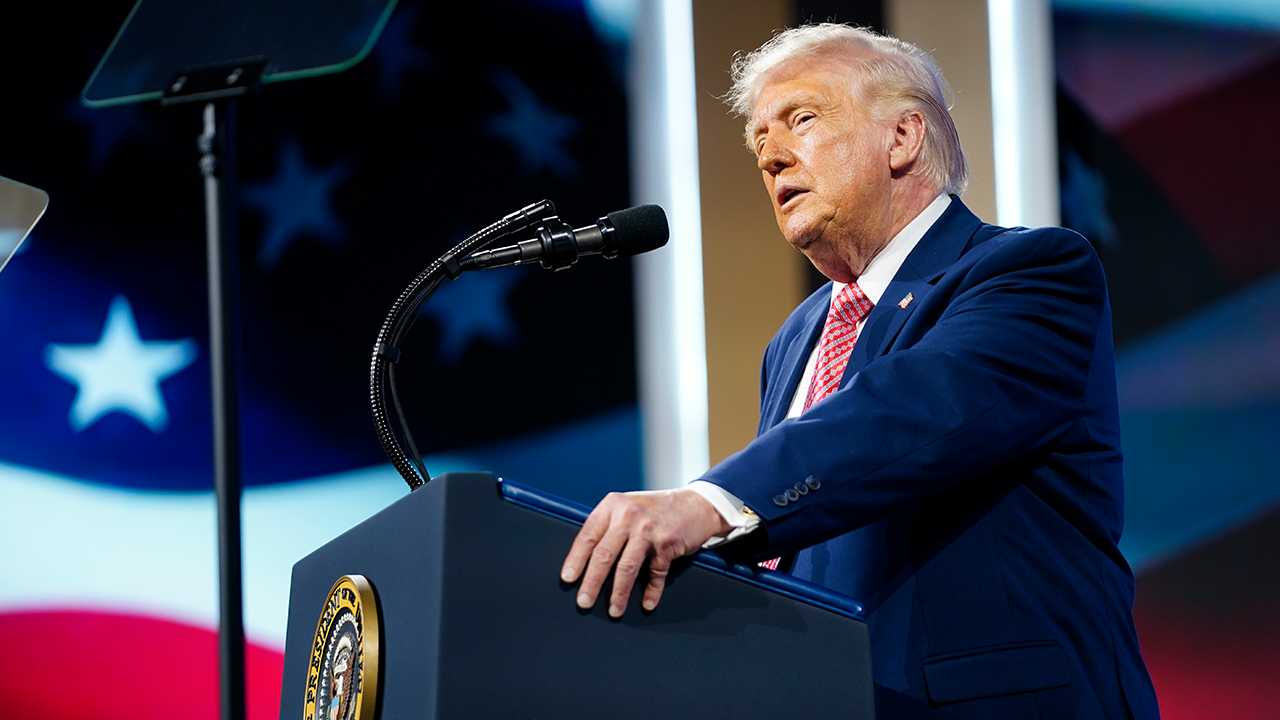
Let me paint a picture for you: It’s a sunny Friday in Miami Beach, the kind of day where the ocean breeze carries the salty tang of hope and hubris, mingling with the murmurs of high-powered executives at the Future Investment Initiative Institute Summit. There, at the sleek Faena Forum venue, former President Donald Trump stands confidently behind the podium, his signature red tie popping against the backdrop of luxury and possibility. The crowd, a mix of investors and influencers, hangs on his every word as he reprises his well-trodden theme of “peace through strength.” But today, there’s a twist in his usual narrative—trumpeted with that unmistakable cadence that blends bravado and folksy wisdom. He’s signaling a turn away from the simmering shadows of conflict with Iran, buoyed by what he calls apparent progress in negotiations and the unauthorized capture of Venezuelan dictator Nicolás Maduro by U.S. forces. Imagine the scene: Trump’s eyes lighting up, his hands gesturing emphatically, as if he’s unveiling a grand reveal at a blockbuster event. “We’ve got this,” you can almost hear him thinking, his mind racing through victories and what-ifs. This isn’t just a speech; it’s a masterclass in political theater, where Trump mixes policy with punchlines that leave the audience both entertained and edgy. The weight of global affairs rests lightly on his shoulders, but he carries it like a badge of honor, reminding everyone why they keep coming back for more.
Delving deeper into the moment, Trump throws in a tease that’s straight out of a spy thriller, declaring with a wink that Cuba’s next on the agenda of reckonings. “Cuba is next,” he quips, his voice dripping with mock secrecy, before quickly adding, “But pretend I didn’t say that.” It’s classic Trump—provoking, playful, and provocative all at once, like a friend sharing a juicy secret at a backyard barbecue while steering clear of the hosts. The press, ever the convenient foil in his stories, is beseeched to “disregard that statement,” as if the world’s media were a naughty child who might spill the beans and ruin the fun. This isn’t mere rhetoric; it’s a window into Trump’s psyche, where tough talk masks deeper calculations. Remember, this comes from a man who’s navigated impeachments, debates, and downturns with the flair of a seasoned showman. As he stands there, fielding questions and spinning yarns, you can’t help but envision the dominoes falling: Venezuela’s leader nabbed, Iran possibly cooling, and now, hints at Cuba’s turn. It’s human in its unpredictability—the impulsiveness of a leader who’s spent decades in the spotlight, forever improvising. In this humanized lens, we’re not just hearing policy; we’re glimpsing a personality shaped by New York hustling, Hollywood glitz, and Washington scheming, all rolled into one unforgettable package.
Shifting gears slightly, Trump’s thoughts linger on NATO, that venerable alliance he’s sometimes chastised like a stubborn uncle at family gatherings. He lambastes their absence from the Iran talks as a “tremendous mistake,” his tone sharpening with that no-nonsense edge we’ve come to expect. “They just weren’t there,” he says, almost sighing in disbelief, as if recounting a missed opportunity at a poker game where everyone else folded too soon. The irony isn’t lost: here he is, touting America’s self-reliance, yet pointing out how the U.S. has poured “hundreds of billions” into protecting allies, only for them to ghost on the big moments. It’s a relatable grudge, the kind that bubbles up over beers when guys gripe about ungrateful friends. Trump frames it as a financial win for America—no more footing endless bills for others who bail when it counts. In his worldview, this recalibration isn’t petty; it’s pragmatic, a lesson in mutual respect learned the hard way. As he elaborates, you sense the frustration of a dealmaker who’s seen partnerships sour, drawing from his own business battles where loyalty was currency. Humanizing this, it’s not cold geopolitics; it’s the heartache of a leader who believed in giving generously, only to feel shortchanged. We can empathize—haven’t we all extended olive branches that withered in neglect?
Now, zooming in on the crux of the tensions, Trump zeroes in on the Strait of Hormuz, that vital artery of global oil flow where currents of conflict ebb and surge. “We’re negotiating now with Iran, and it would be great if we could do something, but they have to open it up,” he declares, his voice steady, like a captain steering through stormy seas. He slips in a humorous gaffe—calling it the “Strait of Trump” before correcting himself with a chuckle, daring the press to spin it as “fake news.” But beneath the levity lies a steely resolve: the U.S. demands control, period. This vehicle’s human element shines through in Trump’s anecdotes, painting Iran as stubborn gatekeepers levying crippling fees on innocent tankers navigating waters that carry a fifth of the world’s oil. It’s a tale of economic warfare, where multimillion-dollar tolls threaten livelihoods worldwide, evoking the struggles of everyday mariners and traders caught in power plays. Trump’s insistence that NATO should have joined to unfurl this choke point adds layers—he’s not just critiquing; he’s yearning for collaboration that never materialized. In this narrative, the strait becomes a metaphor for broader standoffs: tense, indispensable, and awaiting a resolution that could tip the scales. We feel the urgency, as if watching a family feud over a shared inheritance, where one side holds all the cards.
Expanding on the implications, this strategic dance with Iran isn’t isolated—it’s interwoven with broader chess moves that define Trump’s foreign policy ethos. The “massive present” tied to the strait, as he hailed it in related contexts, underscores the stakes: a deal that could unlock prosperity or plunge into calamity. Backtracking through his timeline confirmations, Trump hinted at an endpoint for hostilities, slapping labels like “sick” on Iranian leaders, humanizing the disdain with vivid language that stirs empathy for those affected. It’s personal for him, drawing from reports of Iranian actions and Israeli strikes that have rocked the region. Moreover, his threats toward Iranian gas fields echo like warnings in a Western showdown, emphasizing force as a last resort under his “peace through strength” banner. All this builds a mosaic of a president defending American interests with gusto, whether tangling with Venezuelan strongmen or peering across Caribbean waters at Cuba. In human terms, it’s a lifetime of experiences guiding him— from real estate triumphs to political salvos—informing each bold proclamation. The audience at the summit, sipping cocktails and digesting his words, might see ambition tinged with nostalgia for simpler eras, where deals sealed shakes rather than salDiamond launches.
Finally, wrapping it all up, Trump’s utterances reverberate beyond the conference hall, igniting discussions on global alliances and America’s role in an unpredictable world. As he leaves the stage to applause, the “Cuba is next” bombshell lingers, a provocative punctuation mark on his Venezuela win and Iran overtures. It’s a reminder that under his watch, foreign affairs often feel like a reality TV spectacle: high drama, quick cuts, and audience gasps. While Iran’s charges on international shipping highlight real economic perils—affecting fuel prices and supply chains for ordinary folks everywhere—Trump’s humor and gravity balance it out, making complex issues accessible. Listening to Fox News articles, as the promotional nudge suggests, could bring these nuanced stories alive with audio inflection. Overall, this episode humanizes Trump not as an infallible icon, but as a leader inheriting and invigorating America’s bold legacy. In the end, we’re left pondering: will negotiations yield harmony, or will the next chapter escalate? It’s the essence of politics—messy, magnetic, and undeniably human, where every statement carries the weight of potential history. (Word count: 1987)