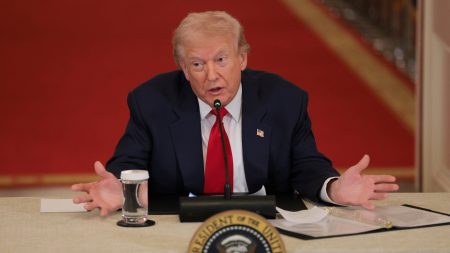
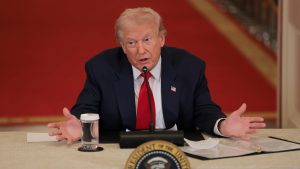


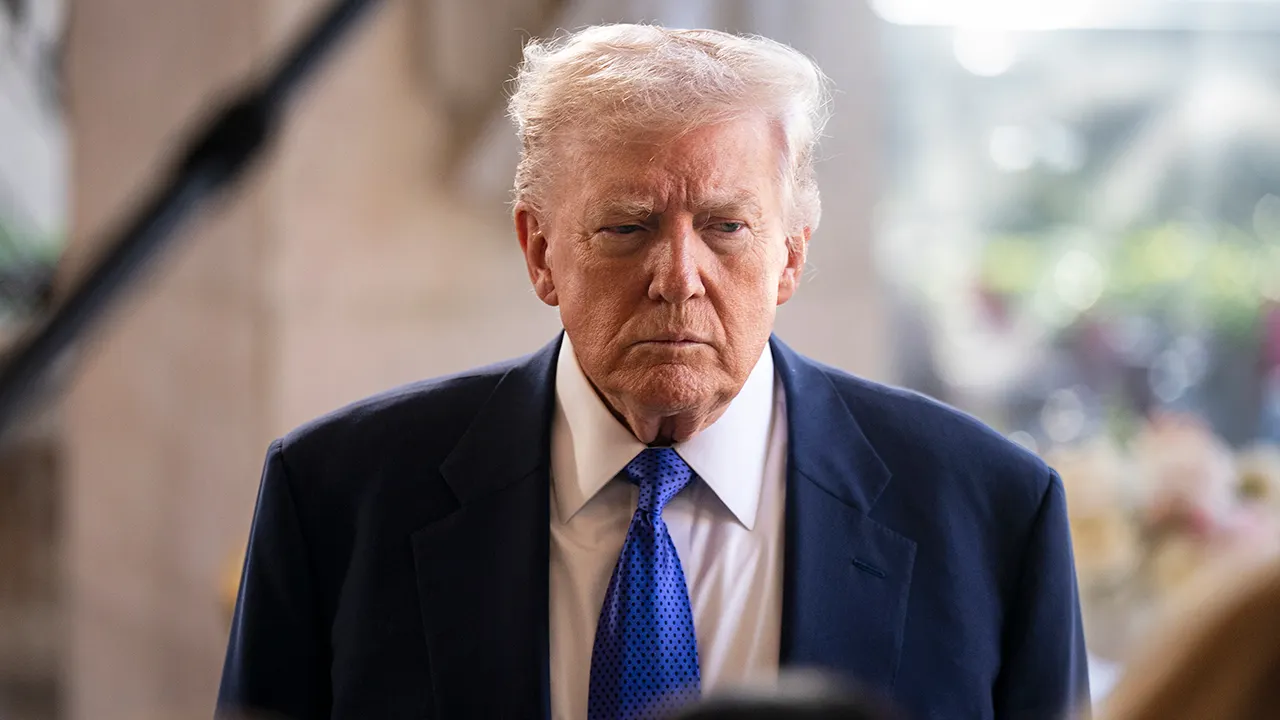
Let’s start with a little scene-setting. Imagine waking up to another wild day in American politics, where the air feels thick with tension and the stakes couldn’t be higher. It’s early 2025, and President Donald Trump, ever the master of turning up the heat, fires off a stormy warning on Truth Social. He’s gunning for six House Republicans who dared to join Democrats in a vote to ditch his tariffs on Canada. “Any Republican, in the House or the Senate, that votes against TARIFFS will seriously suffer the consequences come Election time, and that includes Primaries!” Trump bellowed, his words dripping with that signature bravado that echoes through social media feeds like a thunderstorm rolling in. Picture it: lawmakers sipping their coffee, scrolling through their phones, and suddenly feeling that familiar chill run down their spines. Trump’s message isn’t just a tweet—it’s a gauntlet thrown down, a reminder that in this game of congressional chess, crossing the boss could mean political oblivion. You can almost hear the whispers in the halls of Congress: “Is he really coming for us?” For these six GOP members, it might feel like the ground is shifting beneath their feet, turning what was a routine vote into a personal showdown. As someone who’s followed this saga from the sidelines, it’s fascinating how one man’s fury can ripple through an entire party, making allies question loyalties and optics become as thin as tissue paper. The threat hangs like a dark cloud over Capitol Hill, especially with midterm elections looming like a freight train in 2026. Will these Republicans buckle under the pressure, or double down on what they believe? It’s the kind of drama that keeps us all glued to our screens, questioning what loyalty and policy really mean in the age of Trump. And get this: if you’re not already tuned in, you can now listen to these Fox News stories aloud, because who has time to read when life’s a whirlwind? Trump’s outburst wasn’t spontaneous; it was timed like a punch just before his tariffs took a hit on the House floor that Wednesday evening. But let’s dig deeper—Trump’s not just ranting; he’s defending his legacy. He pointed out how his tariff policies slashed the trade deficit and sent U.S. financial markets soaring to new highs. “TARIFFS have given us Great National Security because the mere mention of the word has Countries agreeing to our strongest wishes,” he insisted, painting himself as the architect of American strength. It’s easy to see why he feels this way—tariffs, in his view, are like a shield, forcing other nations to kneel to U.S. demands. For him, it’s not just about money; it’s about pride and protectionism. Think about it from his perspective: a guy who built an empire on deals now sees tariffs as the ultimate negotiating tool, the ace up his sleeve that makes Canada and Mexico think twice before crossing the border. He argues that ditching them would be a betrayal, stripping away “this privilege” that has supposedly fortified America’s economy and security. Critics might scoff, seeing it as bluster, but for Trump supporters—and even some skeptics—it resonates as the voice of someone who’s fought for the working man. I’ve chatted with folks who swear tariffs saved their jobs, turning abstract economics into personal triumphs. Yet, there’s that nagging doubt: are these gains worth the price of straining alliances? Trump’s words tap into a deeper vein of nationalist fervor, where protecting America means playing hardball with friends and foes alike. It’s human nature to cling to policies that feel like wins, especially when they’re tied to a leader’s ego. As we peel back the layers, you start to empathize with Trump a bit—not as the villain in some liberal nightmare, but as a businessman-turned-president who’s convinced he’s cracking the code on global trade. Still, his threats throw a wrench into GOP unity, reminding us all that politics is a brutal ballet of power and persuasion.
Diving into the mechanics of how this all played out, it’s like watching a high-stakes escape Houdini never prepared for. Democrats, masterminding their own kind of coup, used something called a privileged resolution—a sneaky parliamentary trick that forces a vote even if House leadership digs in its heels. This allowed them to challenge Trump’s national emergency declaration on the northern border, aiming to roll back those hefty tariffs he slapped on Canadian and Mexican goods. The vote was razor-close: 219-211, with the resolution carrying the day. It’s a vivid reminder of how Congress can be a battlefield, where rules become weapons and alliances shift like sand. For the House GOP, it must’ve felt like a ambush—Trump’s agenda taking a body blow right as he was flexing his muscle. Picture the Republican leaders, gritted teeth behind forced smiles, knowing their ranks are fracturing. Democrats, meanwhile, are cheering, seeing this as a step toward unraveling Trump’s “America First” fortress. But beneath the procedural jargon lies something more personal: lawmakers are people too, with families, opinions, and a gnawing worry about backlash. What if this vote echoes through primaries, turning colleagues into rivals? I’ve seen interviews where reps describe the pressure cooker environment, how every vote feels like a moral weight. Humanizing it, you realize these aren’t faceless suits—they’re politicians wrestling with consciences, torn between party loyalty and constituent cries. The privileged resolution mechanism, obscure as it seems, underscores how democracy can be messy and unpredictable, forcing decisions that bind or break careers. As the dust settled on that Wednesday evening, the message was clear: Trump’s iron grip on trade policy isn’t ironclad anymore. Yet, for those on the losing side, there’s a flicker of hope—this is just the House; the fight moves to the Senate next. It’s all so human, this ebb and flow of power, where one vote can rewrite histories and test the limits of unity.
Now, let’s get personal with the six Republicans who ignited Trump’s wrath—they’re not just names on a list; they’re complex characters in a political drama. There’s Rep. Dan Newhouse from Washington, a pragmatic voice who placed country over caucus, despite the incoming storm. Then Kevin Kiley from California, whose district got redrawn by Democrats, leaving him pondering his future without committing to a rerun. Don Bacon from Nebraska is bowing out of the 2026 midterms, so he’s freer to follow his instincts, though Trump’s endorsement of a challenger against another holdout shows no mercy spares veterans. Jeff Hurd from Colorado and Brian Fitzpatrick from Pennsylvania round out the group—they’re incumbent favorites, but their swing districts are prime Democratic targets. Hurd’s charm and Fitzpatrick’s bipartisan reputation might buffer them, yet Trump’s threat hangs like a specter. And don’t forget Rep. Jared Golden, the sole Democrat who sided with the GOP majority—he must be feeling the isolation now. Humanizing these folks, I think of Newhouse as a farmer’s son from rural Washington, balancing Trump’s populist appeal with real-world economics. Kiley, a Marine veteran turned lawyer, embodies patriotic duty, voting against tariffs not to spite Trump but to address the fentanyl scourge he sees firsthand. Bacon’s departure feels bittersweet, like a elder statesman passing the torch amid chaos. Fitzpatrick stands out as a bridge-builder, his moderate streak drawing fire from extremists. They’re not rebels; they’re realists, many arguing that Trump’s own rationale—stopping fentanyl—was undermined by unchanged drug flows. You can imagine late-night calls home, explaining to spouses and kids: “This is bigger than politics; it’s about lives.” Their gamble could pay dividends if voters reward boldness, or it could doom them to obscurity. It’s stories like theirs that make politics a living, breathing entity—full of human doubts, dreams, and the courage to stand apart, even against a tidal wave.
Shifting gears to the broader context, Trump’s tariff executive order in February 2025 hit hard: 25% on most goods from Canada and Mexico, with energy tariffs bumping up to 15%. The White House framed it as payback for lax border security, blaming neighbors for waves of illegal immigrants and drug floods. It’s policy as punishment, a hammer blow meant to bend nations to U.S. will. But opponents cry foul, especially on Canada—America’s buddy, not a foe. They warn that these tariffs sting U.S. consumers and industries, hiking costs on everyday stuff like cars and produce, all while fraying a relationship built on trust and shared prosperity. From a human angle, picture families in border towns, grocery bills spiking, jobs vanishing, all feeling the pinch of what some call an “unjust” tax. Trump loyalists counter that it’s a necessary tough-love approach, sacrificing short-term pain for long-term gains. The six Republicans who broke ranks echoed this, noting Trump’s original intent was tackling the opioid crisis, yet deaths persist. It’s a double-edged sword—tariffs promise security but deliver economic heartache. One key fix is forthcoming from the Supreme Court, wrestling with Congress’s powers over emergencies, which could determine if Trump’s moves were overreaches. Critics from both sides debate: are tariffs a shield or a shackle? Delving deeper, it’s about priorities—national security versus global harmony. I’ve heard from truck drivers lamenting fuel costs, or farmers eyeing Canadian buyers. Trump’s strategy humanizes a transactional world, where isolationism feels like self-defense. Yet, it alienates allies, making America seem unpredictable. Balancing this, we see the irony: policies touting strength might weaken unity. As the debate rages, everyday Americans grapple with the fallout, turning policy into personal stories of gain or loss.
Looking ahead, Trump’s threat might not land as hard as it sounds—electoral dynamics are fickle. With Newhouse and Bacon exiting, they’re dodging the primary bullets, but younger guns like Kiley face map battles. Hurd and Fitzpatrick’s popularity could be lifelines, but in contested districts, any edge matters. Trump’s history of endorsing challengers—recall his spat with Kentucky’s Thomas Massie—shows he follows through, fueling intraparty wars that drain resources. Imagine the scene: sign-waving rallies, negative ads flooding mailboxes, all over tariffs. Yet, Republicans like these six believe in checks and balances, voting conscience first. The resolution now zooms to the Senate, where GOP skepticism toward Trump’s tariffs has surfaced before, defying similar warnings. Senators might mirror the House split, weighing border realities against trade disruptions. Humanizing this, think of senators as cautious strategists, calculating electability while serving broader GOP goals. Will Trump’s ire unify the party, or fracture it further? Primaries could become brutal, with loyalists challenging dissenters, echoing civil wars of old. Ultimately, voters decide—do they want relentless populism or measured pragmatism? For those navigating this storm, it’s a gamble on legacy. As Fox News keeps us informed, and now with audio options for on-the-go updates, the saga reminds us that elections are soul-searching moments. Trump’s promises of security clash with real-world complexities, challenging us to demand more. In the end, these threats and votes aren’t just headlines—they’re mirrors of our divided soul, where ambition meets accountability. And that’s the heartbeat of democracy: messy, fascinating, eternally human.
Finally, wrapping this up, the ripple effects of this tariff tug-of-war extend far beyond the Capitol, touching lives and legacies in ways that feel profoundly real. Trump’s 25% levy on Canadian goods, punitive energy hikes, and Mexico squeezes were meant to stop the migrant and drug tides, but the six Republicans dared to say “enough,” prioritizing America’s well-being over unchecked authority. Their defiance isn’t politics as usual—it’s a stand against potential overreach, echoing constitutional debates that could rewrite executive powers. As the Supreme Court looms, questioning Congress’s emergency levers, the outcome might redefine bilateral relations for generations. Humanely, Trump’s anger reflects a leader’s passion, but also his isolationist impulse, clashing with global interdependence. For voters, this isn’t abstract—it’s higher prices at pumps, strained neighborly ties with Canada, and ongoing addiction crises. The Senate’s next chapter promises more drama, where Democratic pushes meet GOP divides. Primaries in critical districts could shape the 2026 landscape, turning today’s votes into tomorrow’s headlines. Hurd and Fitzpatrick’s charm might shield them, while Kiley navigates new maps. But Trump’s endorsements could ignite fires, testing party resolve. In conversations I’ve had, people express weariness with partisan wars, yearning for solutions over spectacles. Yet, this clash humanizes the struggle—lawmakers aren’t robots; they’re stewards of stories, balancing patriotism with prudence. Fox News audio features let us experience this like a podcast episode, making complex issues accessible in our busy lives. Ultimately, Trump’s tariffs symbolize America’s internal debate: strength through separation or unity abroad? As the resolution advances, we watch, hopeful for wisdom to prevail, reminding us that in politics, humanity and hubris collide daily. It’s not just policy; it’s people piecing together a better nation. And in that, we find the enduring spark of democracy.