



Trump Calls on Mexico to Address Cross-Border Sewage Crisis
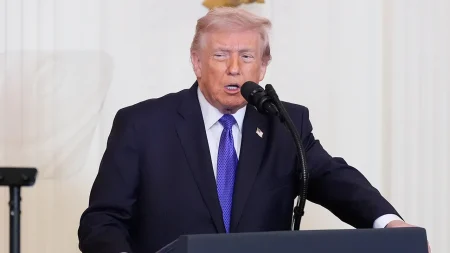
President Donald Trump recently highlighted a long-standing environmental crisis affecting communities along the U.S.-Mexico border. In a stark message posted on Truth Social, Trump demanded immediate action from Mexico regarding the millions of gallons of untreated sewage flowing into the United States. “Mexico must take care of its water and sewage problem, IMMEDIATELY,” he wrote, describing the situation as “a true threat to the people of Texas, California, and the United States of America!” This public call for action brings renewed attention to an environmental disaster that has plagued border communities for years, affecting public health, tourism, and even military operations.
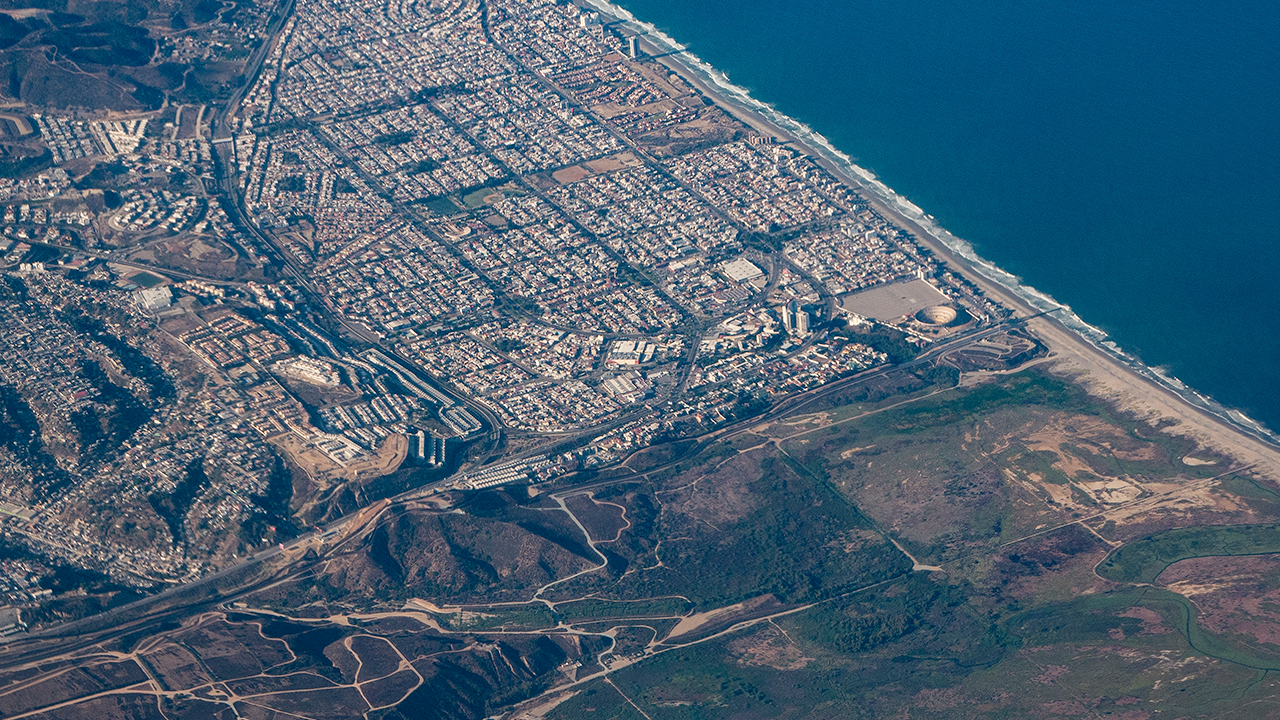
The situation is particularly severe in the San Diego area, where sewage from Tijuana regularly seeps into the United States through the Tijuana River. Local officials have long characterized this as not just an environmental problem but a genuine health crisis. The contamination has forced beach closures, harmed tourism, and even impacted military readiness at the Naval Amphibious Base Coronado, where Navy SEALs conduct their training exercises. San Diego County Supervisor Jim Desmond welcomed Trump’s involvement, calling the situation “one of the worst environmental and public health crises in the country that no one is talking about.” Desmond emphasized the need for accountability, telling Fox News Digital: “We need real enforcement, real consequences, and real action to protect our communities.”
At the heart of the problem lies Tijuana’s outdated wastewater infrastructure, which has failed to keep pace with the region’s explosive population growth. As more people have moved to the border city, the aging sewage system has become increasingly overwhelmed, resulting in frequent breakdowns and spillovers into the Tijuana River, which then flows northward into U.S. territory. This has created not only a diplomatic challenge between the two nations but a pressing health concern for American communities near the border. Residents have reported foul odors, contaminated beaches, and serious concerns about waterborne illnesses, while local businesses dependent on tourism have suffered significant economic losses due to beach closures and the area’s tarnished reputation.
In response to the crisis, some progress has been made at the governmental level. In July, EPA Administrator Lee Zeldin and Mexico’s Secretary of the Environment and Natural Resources, Alicia Bárcena Ibarra, signed a Memorandum of Understanding aimed at streamlining bilateral efforts to address the sewage problem. Following Trump’s statement, Zeldin took to social media to affirm the administration’s commitment to resolving the issue, stating they are “working very closely with our Mexican counterparts to ensure San Diego-area beaches can reopen, foul odors cease, and the Tijuana River Valley gets cleaned up as quickly as humanly possible.” He emphasized that only “total implementation” of the July 2025 MOU would be acceptable, highlighting the critical importance of completing all planned wastewater projects in Mexico by their scheduled deadlines in 2026 and 2027.
The MOU represents a significant financial and technical commitment from both nations, allocating millions of dollars for essential wastewater infrastructure improvements. Beyond addressing current problems, the agreement also maps out initiatives to prepare for Tijuana’s continued population growth in coming years, recognizing that sustainable solutions must account for future demographic changes. The comprehensive approach includes upgrading treatment facilities, implementing new monitoring systems, and establishing clear protocols for managing sewage emergencies. However, despite this formal commitment, many residents and officials on the U.S. side remain skeptical about implementation timelines, pointing to decades of unfulfilled promises and continued contamination.
The cross-border sewage crisis illustrates the complex interconnectedness of environmental, public health, economic, and diplomatic challenges that define the U.S.-Mexico relationship. While Trump’s public call brings welcome attention to the issue, solving it will require sustained cooperation, significant investment, and political will from both countries. For the communities living with this contamination daily—from naval personnel training in affected waters to families unable to enjoy local beaches to businesses suffering economic losses—the solution cannot come soon enough. As implementation of the MOU proceeds, success will ultimately be measured not by diplomatic agreements but by clean water, reopened beaches, and the restoration of healthy border ecosystems that benefit citizens on both sides of the international boundary.