


The Frustration of Flight Delays During a Government Standoff
Imagine you’re a family excited for a vacation, rushing to the airport with suitcases in tow, kids bouncing with anticipation. But instead of smoothly checking in and boarding, you find yourself trapped in lines that stretch for hours, faces weary, tempers flaring as the minutes turn into what feels like an eternity. This isn’t just a bad dream—it’s the reality unfolding at major U.S. airports right now, thanks to a bitter political tug-of-war over funding for the Department of Homeland Security (DHS). President Donald Trump has announced that starting Monday, Immigration and Customs Enforcement (ICE) agents will pitch in to help out Transportation Security Administration (TSA) officers. It’s a move born out of necessity, as TSA workers have been showing up to their posts for over a month without paychecks, all because Democrats in Congress are holding up the funding to push for immigration reforms. From the perspective of everyday travelers like you or me, this feels personal—it’s not just policy; it’s our trips delayed, our stress levels skyrocketing, and trust in the system eroding. Trump sees it as a bold stand against what he calls the “Radical Left Democrats” who prioritize protecting undocumented immigrants over national security. For families, it’s a headache that turns what should be joyous escapes into exhausting ordeals. You picture the TSA agents, these frontline heroes scanning bags and wands, working tirelessly despite financial strain, and now getting reinforcements from ICE to keep the lines moving. It’s not ideal, but in a world where politics bleeds into personal lives, it might just mean shaving off those unbearable waits and getting folks home safer. Reflecting on it, you wonder how something as essential as airport security could become a pawn in a high-stakes game, leaving ordinary Americans picking up the pieces.
Trump’s Fiery Rebuke and the Call for Action
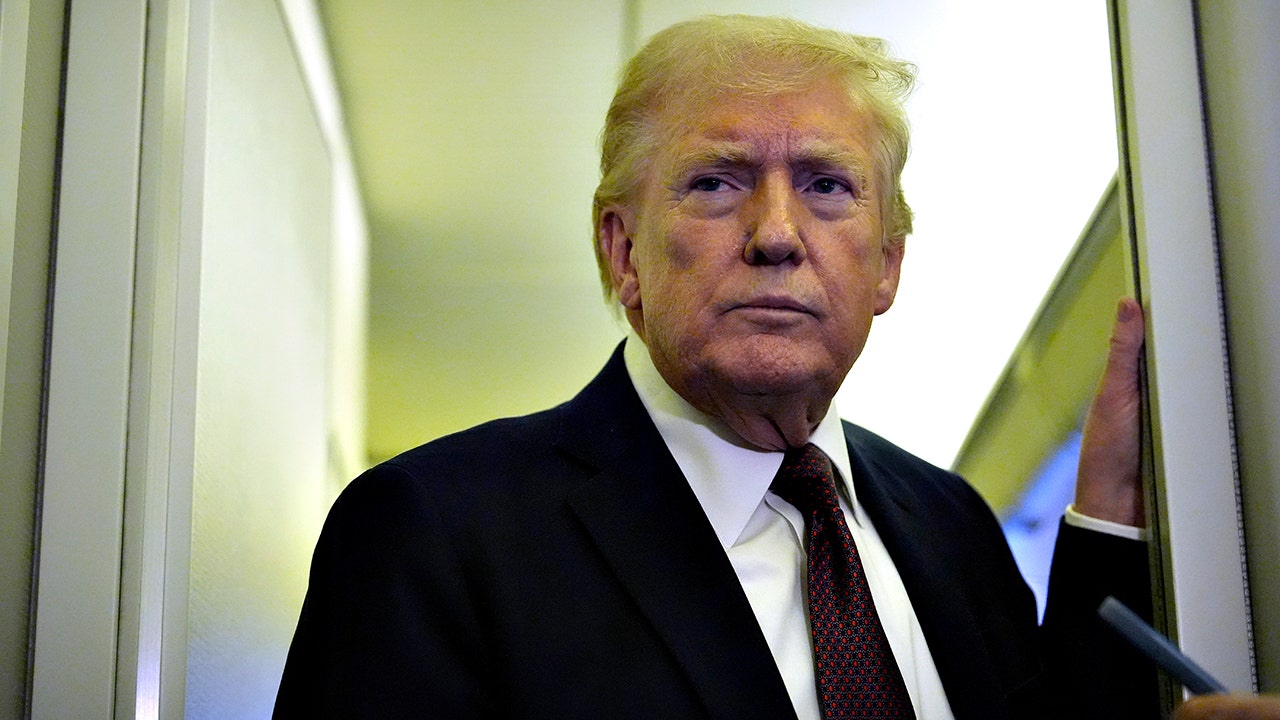
Put yourself in Donald Trump’s shoes for a moment, as he fires off a message on Truth Social, his digital megaphone to the world. “On Monday, ICE will be going to airports to help our wonderful TSA Agents who have stayed on the job despite the fact that the Radical Left Democrats… are endangering the USA,” he posts, his words dripping with frustration and a sense of urgency that resonates with those fed up with congressional gridlock. He paints a picture of betrayal: Democrats allegedly stalling on funds that were supposedly agreed upon long ago, all to shield “hard line criminals” who entered the country illegally. It’s raw, it’s unfiltered, and it humanizes the anger many feel when big decisions seem disconnected from real-world impacts. Trump doesn’t stop there; he predicts the Democrats will criticize ICE’s efforts no matter what, calling them “Lunatics” for their supposed incompetence, while praising ICE Director Tom Homan as the right man for the job. From your viewpoint as a passenger who’s endured those endless lines, Trump’s tone might feel like a rallying cry—someone in power finally noticing the chaos and doing something about it. But it also stirs mixed emotions: is deploying ICE agents to airports a security boost or just a political flex? As a parent waiting in an overcrowded terminal, you appreciate the intent to restore order, but you can’t help but worry about the broader implications, like how this standoff disrupts lives and dreams. Trump’s words make you empathetic to the administration’s stance, yet they remind you of the division tearing the nation apart, where every tweet feels like a spark in a powder keg.
The Unsung Struggles of TSA Workers on the Frontlines
Now, zoom in on the TSA officers themselves—these are real people with families, bills, and dreams of stability, forced into a nightmare scenario. As essential employees, they’re required to report to work even during a government shutdown, their paychecks delayed for over 30 days due to the funding impasse. Picture a single mom, like so many of them, clocking in knowing her rent’s overdue, or a father missing out on his kids’ games because he’s manning the scanners instead of staying home. It’s not just bureaucratic red tape; it’s human endurance under pressure. Across the country, airports are seeing a wave of sickness calls and no-shows, with more than 400 TSA employees having quit in recent weeks—perhaps one was your neighbor, fed up with the uncertainty. As a traveler, you might bump elbows with these brave souls, exchanging nods of solidarity, but behind their professional facades lie stories of sacrifice. They risk health in crowded terminals, endure verbal lashings from frustrated passengers, all while wondering if their next job will cover the groceries. Yet they hold the line, embodying the quiet heroism that keeps flights safe. This humanizes the crisis: it’s not an abstract number; it’s lives disrupted, morale crushed. From witnessing lines snaking around terminals, you start to see TSA agents as the backbone of air travel, deserving not scorn but support. Their plight reminds you that politics can feel distant, but for these workers, it’s painfully immediate—a reminder to appreciate the unseen efforts that make our journeys possible.
Elon Musk’s Generous, Unexpected Intervention
Enter Elon Musk, the tech billionaire and xAI founder, stepping in like a knight in shining armor with a post on X that broke the mold. “I would like to offer to pay the salaries of TSA personnel during this funding impasse,” he tweeted, a bold pledge to bridge the gap for those underpaid heroes. From the passenger’s seat, this feels like a breath of fresh air—someone with deep pockets and a platform using them for the greater good, cutting through the partisan noise. Musk, often criticized or championed for his unconventional moves, frames it as helping “the lives of so many Americans at airports throughout the country.” His offer comes on the back of Trump’s Saturday threat to dispatch ICE, adding fuel to the fire of discussion. As a traveler stuck in delay hell, you might feel a flicker of hope: is this the counterpoint to political deadlock? Many TSA workers, eager for relief, saw it as validation their work matters, perhaps inspiring them to push through. But skeptics wondered if it was a publicity stunt or a genuine gesture. Humanizing it, think of Musk as that eccentric uncle who swoops in with a solution when family’s in trouble—imperfect but impactful. His intervention sparks conversations about private philanthropy stepping where governance fails, making you ponder if more leaders could bypass Congress for the sake of everyday folks. In airport lounges, passengers share stories of gratitude, turning frustration into a shared human experience of resilience and unexpected kindness.
The Real-Time Chaos in America’s Busiest Airports
Walk into a major airport right now, and you’re plunged into a scene straight out of a stress-inducing movie—security lines looping endlessly, people shouting into phones, luggage abandoned on floors like forgotten dreams. The hardest-hit spots include Houston’s IAH and HOU, Atlanta’s ATL, New Orleans’s MSY, and Philadelphia’s PHL, where wait times have soared past three hours, turning what should be routine travel into a marathon of misery. Footage from Philadelphia earlier this week captured the pandemonium: hundreds clogging escalators, blank expressions hiding exhaustion and annoyance. As a passenger, you feel the pulse of it all—the dad hooting at his toddler to stay quiet, the elderly couple clutching each other for support, the anxiety of missed connections rippling through the crowd. Airlines reroute, families plead for mercy, and the airport hums with the low rumble of discontent. It’s not just inconvenience; it’s a tangible reminder of how government decisions cascade into personal crises. Travelers hack the system by slipping into lines, but that only fuels chaos, while others vent on social media, amplifying the human cost. For many, it’s a metaphor for broader breakdowns—unchecked immigration leading to security lapses, delayed funding causing systemic failures. Yet amid the fray, stories emerge of kindness: strangers sharing snacks, volunteers directing lost souls. Humanizing it, these airports become microcosms of America—diverse, hectic, sometimes compassionate—where the political battle turns abstract debates into lived realities, forcing us to confront how policy shapes our daily trials.
Reflecting on a Crisis That Touches Us All
As the dust settles—or at least pauses—on this DHS funding stalemate, deploying ICE to airports feels like a patchwork solution stitched together in haste. President Trump’s bold move, backed by his vocal tirade on Truth Social, aims to protect travelers and support overworked TSA agents, many of whom have sacrificed pay for months. Yet, it raises questions: will this truly alleviate the lines, or is it a stopgap in a deeper feud? From the human angle, it’s about people like you—enduring long waits, empathizing with unpaid workers, appreciating gestures like Musk’s paycheck offer—that make this more than headlines. Airports transform into stages of shared humanity: delays forge unexpected bonds, quitting TSA officers highlight burnout, and political rhetoric filters down to everyday fears. In the end, it underscores the fragility of systems we rely on, urging reflection on how division endangers not just security, but our collective well-being. As flights resume with ICE assistance, travelers might finally exhale, but the lesson lingers—politics without people in mind breeds chaos. It’s a call to humanize policy: listen to the passengers, honor the workers, and bridge divides before they ground us all.