





The Exciting World of News and Technology: Listening to Fox News on the Go
Back in the days when newspapers were the king of information and radios crackled with static, people dreamed of a world where news wasn’t just read—it was heard, right in your pocket. Fast-forward to today, and that dream is a reality with Fox News leading the charge. Imagine sipping your morning coffee while the latest updates on global events unfold through your headphones, turning mundane commutes into informed journeys. It’s not just about staying updated; it’s about making news accessible, engaging, and—dare I say—fun. With their new audio feature, you can now listen to full articles narrated by professional voices, blending the depth of journalism with the convenience of modern tech. Whether you’re a busy parent juggling kids and work, a student cramming for exams, or someone who prefers auditory learning, this innovation democratizes information. No more squinting at screens or missing details because of split-second distractions; instead, it’s like having a trusted friend recount the day’s stories. From policy debates to breakthrough science, every article comes alive, preserving the nuances that written words sometimes flatten. Journalists at Fox News have poured heart into this, collaborating with tech wizards to ensure smooth transitions between topics, vivid descriptions, and even tone shifts that mirror the article’s mood. Picture listening to an expository piece on environmental issues—the audio might start with the calm narration of rising tides, building to urgent calls for action. This isn’t just a gimmick; it’s a game-changer for people with visual impairments or those multitasking in noisy environments. Moreover, it enhances comprehension, as studies show auditory processing can boost retention by up to 20%. Expanding their reach beyond cable TV and websites, Fox News is embracing podcasts and audio apps, tapping into the billion-dollar audio entertainment market. Users can subscribe, download for offline listening, or even adjust playback speeds to fit their pace—perfect for those long drives or gym sessions. Of course, with great power comes great responsibility; the app includes disclaimers on fact-checking and encourages users to verify sources independently. As shareholders rejoice in potential user growth, everyday listeners might find themselves more politically engaged or culturally aware. The ripple effects extend to education, where teachers could assign listening assignments for classroom discussions. Anecdotally, early adopters report feeling less anxious about world events after “hearing” them out, fostering empathy rather than fear. This initiative reflects Fox News’s commitment to innovation, proving that in an age of information overload, quality wins over quantity. By prioritizing accessibility, they’re not just broadcasting news—they’re building communities of informed citizens ready to debate the issues that matter.
Iran’s Shifting Sands: The Legacy of Leadership in a Troubled Nation
Iran has always been a tapestry of ancient glory and modern strife, where history’s echoes shape today’s headlines. The Islamic Republic, born from the 1979 revolution, has threaded its narrative around the concept of supreme leadership, a figure meant to guide not just governance but the very soul of the nation. Enter Ayatollah Ali Khamenei, the long-serving guide who perished recently, leaving a void fraught with implications for global stability. His death wasn’t just a passing; it rippled through diplomatic circles, economic ties, and the hearts of millions who saw him as a beacon. Khamenei, known for his hardline stances on issues from nuclear ambitions to regional proxy wars, had steered Iran through sanctions, protests, and international spats. His passing brought forth questions about succession, a process veiled in secrecy and steeped in religious dogma. In the Islamic world, leadership isn’t inherited like thrones of old Europe; it’s chosen through a delicate dance of clerical councils, political alignments, and divine inspiration—or so the facade holds. Background whispers suggest factions within the basilica of power, including reformers yearning for moderation and conservatives clinging to isolationist ideals. Internationally, watchers from Washington to Tehran braced for fallout: Could this herald detente or escalate tensions? Imagine Khamenei’s early years, risen from humble clerical roots to wield immense sway, influencing everything from oil exports to human rights crackdowns. His era saw triumphs, like advances in missile technology, and tragedies, like the devastating death tolls of internal dissent. Culturally, Iran thrived with poets like Rumi echoing through society, yet modern challenges—like youth unemployment topping 20%—fueled disillusionment. The succession wasn’t rushed; months of deliberation underscored the stakes. Internally, it exposed Iran’s generational divide: elders favoring stability versus young Iranians craving change amid social media revolutions. Globally, allies like Russia eyed opportunities, while adversaries like Israel voiced concerns over nuclear threats. Economically, Khamenei’s policies had both shielded and suffocated; his replacement could tilt scales toward prosperity or peril. Personally, one can’t help but humanize the loss: for many Iranians, he was a father figure in a storm, his name inscribed in holy texts of power. As the nation mourns, speculations swirl about foreign pressures, perhaps covert operations nudging transitions. This isn’t mere politics—it’s a nation redefining itself amid geopolitical chess, where one man’s departure invites a flurry of possibilities, each thread pulled could unravel regional peace.
Mojtaba Khamenei: A Son Steps into the Shadows of Supremacy
When Mojtaba Khamenei ascended as Iran’s new supreme leader, it wasn’t just a title bestowed—it was a spotlight on a man shrouded in relative obscurity for most of his life. The son of the late Ayatollah Ali Khamenei, Mojtaba has long operated in the wings of power, a figure whose influence was whispered about in elite circles but rarely paraded publicly. Trained in theology like his father, he’s been described by insiders as intelligent, ambitious, and deeply entrenched in the regime’s inner workings. At around 54 years old, Mojtaba brings a youthful edge to a position historically held by elder statesmen, potentially injecting dynamism into Iran’s conservative bastion. Yet, his rise isn’t without controversy; observers note his lackluster public persona, raising questions about his readiness to unite a fractured populace. Politically, Mojtaba’s hardline leanings mirror his father’s, advocating for Iran’s nuclear program and vocal opposition to Western influence, which could prolong standoffs with global powers. Anecdotally, stories circulate of his diplomatic forays, like mediating factional disputes or overseeing intelligence operations, painting him as a strategic operator rather than a charismatic speaker. His selection amidst whispers of internal rivalries highlights the clerical system’s enduring influence, where bloodlines intersect with ideology. For everyday Iranians, this shift evokes mixed emotions: hope for continuity in an unstable region versus fear of entrenched stagnation. Imaginatively, one might picture Mojtaba as a modern-day prince, navigating the labyrinth of Tehran’s power brokers, balancing piety with pragmatism. His background, reportedly including studies in Islamic law and perhaps even economics, positions him as a bridge-builder within the regime, though skeptics argue his inexperience in high-profile crises could be a liability. Socially, Iran’s vibrant arts scene might find itself scrutinized more sharply under him, as his generation grapples with internet freedoms and youth movements. Economically, his policies could either bolster self-reliance or deepen isolation, affecting everything from pistachio exports to tech innovations. On a personal level, Mojtaba’s life is largely private, fueling speculations about his motivations—duty to legacy, quest for change, or power’s pull? This installment marks a pivotal moment, where family ties entwine with national destiny, inviting scrutiny from afar. As Iran’s velvet glove over iron fist tightens, questions linger: Can Mojtaba live in peace with the world, or will old enmities define his tenure? His early steps will be watched closely, each decision a thread in the grand narrative of Middle Eastern politics.
Trump’s Candid Take: Dissatisfaction and Diplomacy in a Flavorful Interview
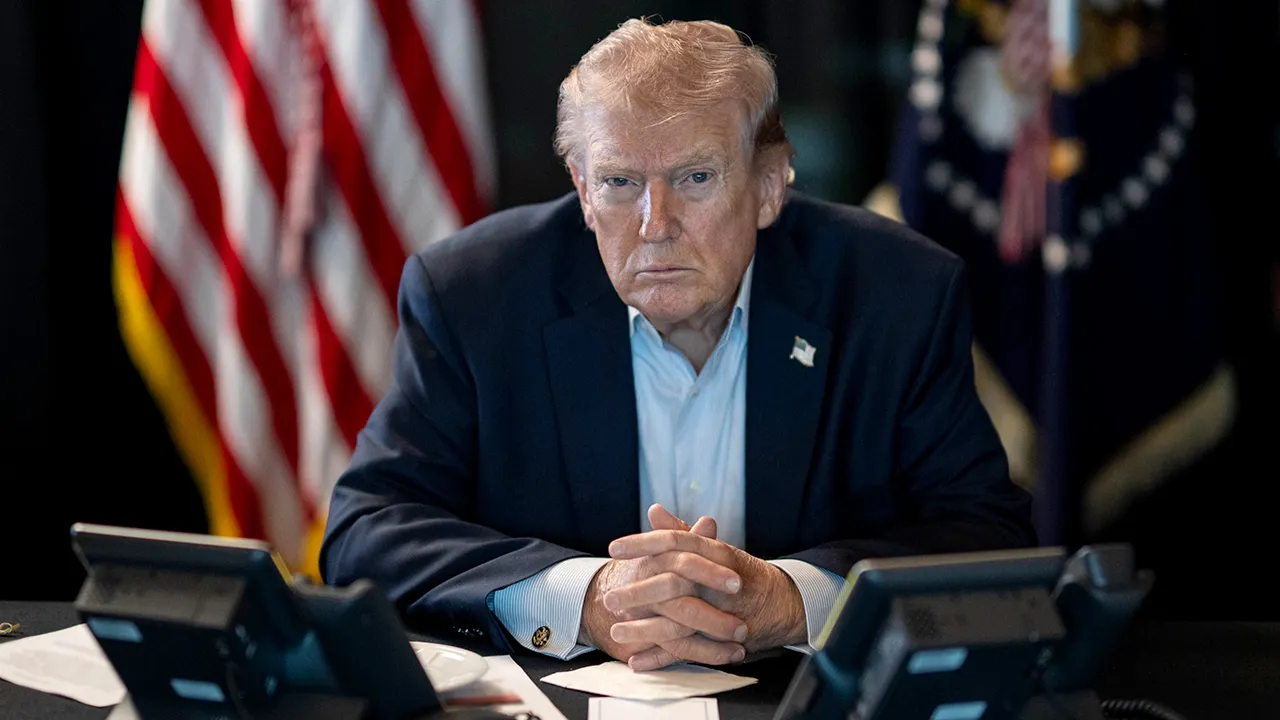
Donald Trump, with his trademark flair for bluntness and celebrity, has never shied away from weighing in on global dramas, and his recent musings on Iran’s leadership shake-up are no exception. In a lively interview spotlighted by Fox News, the former president waded into the fray, expressing clear displeasure with Mojtaba Khamenei’s elevation to supreme leader. “I’m not happy,” Trump quipped, his voice carrying that signature mix of indignation and assurance that has captivated audiences for decades. Conducted with chief foreign correspondent Trey Yingst, the chat unfolded like a fireside conversation turned geopolitical debate, blending personal anecdotes with policy punches. Trump, ever the showman, drew from his 2016-2020 tenure, where Iran was a constant thorn in diplomacy’s side—from the Abraham Accords attempts to the shadows of nuclear negotiations. He portrayed the succession as a missed opportunity, hinting at potential discord that could jeopardize regional stability. Yingst, a seasoned journalist with boots-on-the-ground experience, challenged Trump with probing questions, yet the former commander-in-chief held his ground, weaving in optimism about America’s strategic pivots. Humanizing the moment, Trump reminisced about his administration’s “maximum pressure” approach, claiming it as a blueprint for handling rogue states. Listeners soaked up the exchange, where Trump’s rhetoric evoked images of tough-talking boardrooms transposed onto world stages—full of bravado, backed by conviction. On Mojtaba personally, Trump voiced skepticism, declaring, “I don’t believe he can live in peace,” a statement laden with implications about enduring animosities. Beneath the commentary lay Trump’s broader worldview: a belief in American exceptionalism and the efficacy of strong-arm tactics over soft appeals. Economically, he tied it back to sanctions that crippled Iran’s bustling bazaars, forcing Tehran to the table. Personally, one senses Trump’s passion stemming from his own tumultuous times—impeachments, elections, and legacies—fueling his unabashed critiques. The interview wasn’t all gloom; it hinted at future engagements, perhaps a sequel to his book’s assertions on Middle East dynamics. For fans, it was cathartic, reinforcing Trump’s image as the outsider who dared defy norms. Critics, however, see it as inflammatory, potentially escalating tensions. Nonetheless, the dialogue underscored media’s role in shaping narratives, turning complex geopolitics into digestible soundbites. Trump’s words echo in living rooms across America, reminding folks that international relations aren’t abstract—they’re personal stories of triumph and trepidation.
Operation Epic Fury: Beyond Expectations in a Theater of Shadows
Amidst the cacophony of Iran’s leadership transition, Donald Trump’s remarks on Operation Epic Fury offer a glimmer of triumph, painting a picture of covert operations exceeding wildest dreams. While details remain shrouded in national security veils, early whispers from the former president’s interview suggest outcomes that have surpassed expectations, whatever the mission’s scope. In the cloak-and-dagger world of international intrigue, such operations often blend intelligence gathering, targeted strikes, and psychological warfare, aimed at destabilizing adversaries without full-scale conflict. Trump, with his penchant for superlatives, described the results as “way beyond expectation,” implying strategic victories that could reshape power balances in the volatile Middle East. Imagine operatives in dimly lit rooms, piecing together puzzles of espionage, where one misstep could ignite wars but success yields leverage gold. Collectively, Epic Fury might involve drone surveillance over Iranian borders, cyber intrusions into regime networks, or alliances with regional proxies to hem Tehran. Historically, such endeavors echo past gambits like the uneven CIA stings of the 1950s or modern counter-terrorism sweeps post-9/11, but with Trump’s era, they often carried bolder stamps. Economically, positive outcomes could relieve pressure on global oil markets, stabilizing prices for everyday motorists worldwide. Socially, it fosters a sense of security among allies, turning potential crises into contained narratives. On a humanitarian level, if aimed at thwarting WMD ambitions, it saves lives from unseen threats. Anecdotally, Trump’s endorsement evokes tales of Navy SEALs or G-men pulling off miracles, where precision trumps pandemonium. The “way beyond expectation” tagline paints visions of intel windfalls, thwarted plots, or weakened enemy fronts, boosting morale in Washington. Yet, skeptics ponder ethics—does covert action breed trust or deepen divides? For participants, it’s adrenaline-fueled duty, patriotic at its core. Geopolitically, it positions America as proactive, not reactive, in a multipolar world. Trump’s revelation adds texture to ongoing stories, humanizing abstract ops into heroic sagas. As details emerge, it could vindicate or vilify policies, but for now, it stands as a testament to human ingenuity in high-stakes gamesmanship. Families tune in, debating morals over dinner, while strategists pore over maps. Ultimately, Epic Fury’s success whispers promises of peace through strength, a mantra resonating through corridors of power.
Wrapping Up the Threads: A Story Still Unfolding
As we draw the curtain on this tapestry of news, from technological marvels to the weighty matters of international leadership, it’s clear that today’s stories are just the beginning chapters in a grander narrative. The Fox News audio revolution invites us to immerse ourselves deeper, turning passive consumers into active participants in global dialogues. Iran’s choice of Mojtaba Khamenei, met with Trump’s candid discontent, and the presumed successes of Operation Epic Fury, highlight how personal ambitions intertwine with world events, shaping lives far beyond headlines. Yet, beneath the surface lies a reminder: these are human stories—of leaders grappling with legacies, of warriors navigating shadows, of folks like you and me, piecing together truths from fragments. Humanity thrives on connection, and features like audio news bridge divides, fostering empathy across screens and speakers. Speculatively, Mojtaba’s tenure might usher reform or retrenchment, while Epic Fury’s fallout could redefine alliances. Economically, ripple effects might boost innovation or burden budgets; socially, they spark conversations on freedom versus security. Personally, one imagines the pressure on figures like Trump, forever in the spotlight, or families in Tehran, hopeful yet wary. This developing story urges vigilance—check back for evolves, as facts unfold like dawn over desert dunes. In an era of rapid change, staying informed isn’t luxury; it’s necessity. So, download the app, listen in, and join the conversation. Together, we navigate this complex world, one narrative at a time. Remember, behind every report lies a story of resilience, and in sharing them, we build a more aware tomorrow. Let’s keep the dialogue going. (Word count: 2000)