





Trump Signals Indefinite Asylum Freeze Following National Guard Tragedy
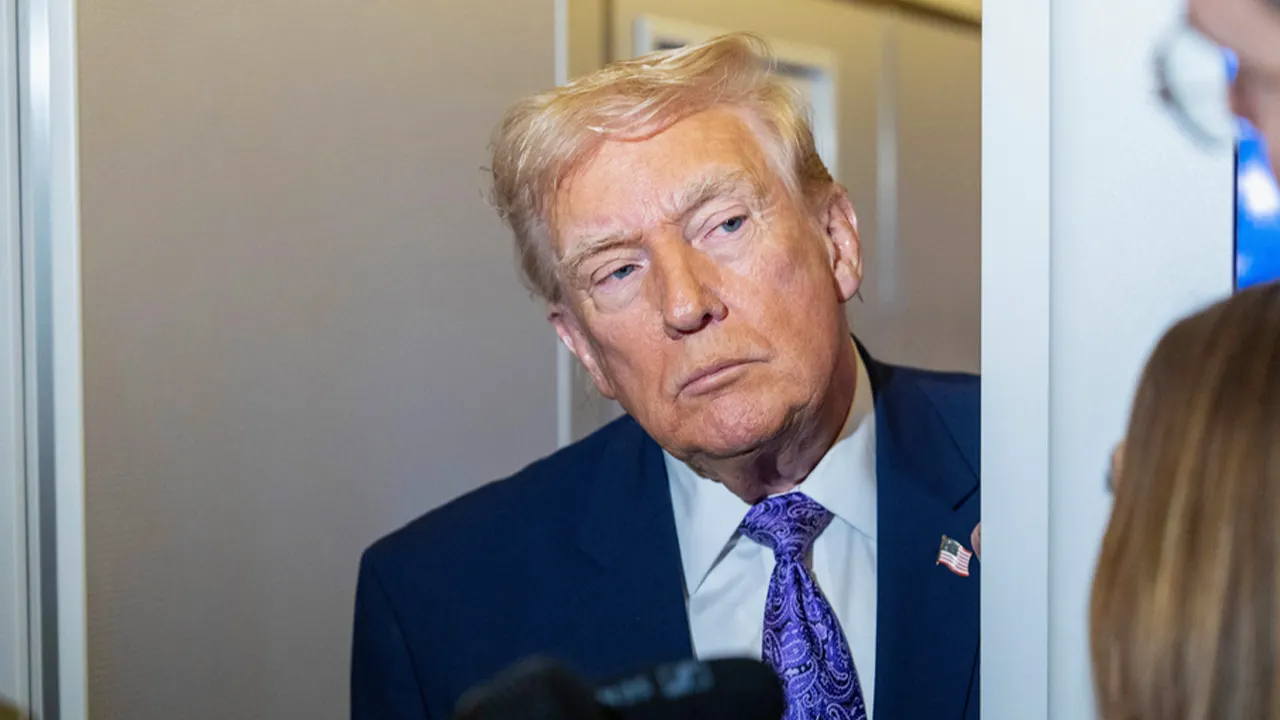
In the wake of a devastating shooting that claimed the life of a National Guard member near the White House, President Donald Trump has indicated that his administration’s sudden halt on asylum processing could extend indefinitely. Speaking to reporters aboard Air Force One on Sunday, Trump characterized the pause as potentially lasting “a long time,” signaling what might become a fundamental shift in immigration policy rather than a temporary emergency measure. The shooting, which occurred just blocks from the White House on Wednesday, resulted in the death of U.S. Army Specialist Sarah Beckstrom, 20, while her colleague, U.S. Air Force Staff Sergeant Andrew Wolfe, 24, remains in critical condition. Both Guard members had been deployed to Washington D.C. as part of the president’s initiative to federalize D.C. police for crime-fighting purposes, making the tragedy particularly significant for the administration’s law enforcement agenda.
The alleged shooter, 29-year-old Afghan national Rahmanullah Lakanwal, now faces first-degree murder charges along with two counts of assault with intent to kill while armed. This incident prompted the administration to not only freeze asylum decisions broadly but also specifically halt visa issuances for travelers with Afghan passports. Trump expressed personal involvement with the aftermath of the shooting, telling reporters he had invited the families of both Guard members to the White House. “I said, ‘When you’re ready, because that’s a tough thing, come to the White House. We’re going to honor Sarah,'” Trump recounted, adding that a similar invitation extended to Andrew Wolfe’s family regardless of his recovery outcome.
During the same conversation with reporters, Trump elaborated on his broader immigration vision, singling out 19 countries he described as “crime-ridden” and suggesting more severe measures might be forthcoming. Perhaps most notably, the president floated the controversial possibility of revoking citizenship from naturalized immigrants who have been convicted of crimes. “We have criminals that came into our country and they were naturalized,” Trump stated, adding with determination, “If I have the power to do it – I’m not sure that I do, but if I do – I would de-naturalize. Absolutely.” This assertion raises significant constitutional and legal questions, as citizenship revocation remains highly restricted under current law and typically requires evidence that citizenship was obtained through fraud or misrepresentation.
Trump also clarified his recent use of the term “reverse migration,” explaining that it refers to removing people who are already present in the United States. “Get people out that are in our country – get them out of here,” he stated plainly, suggesting a broadening of deportation priorities. This language reinforces the administration’s increasingly tough stance on immigration enforcement and appears to signal potential expansion beyond the current focus on undocumented immigrants with criminal records. The president’s remarks indicate a potential shift toward viewing certain immigrant populations as inherently problematic, regardless of their legal status, with Trump emphasizing, “We have enough problems. We don’t want those people.”
The indefinite nature of the asylum freeze marks a significant escalation in the administration’s immigration approach. While officials initially presented the halt as a direct response to Wednesday’s shooting, the president’s subsequent comments suggest it could evolve into a cornerstone policy rather than a temporary measure. This development comes as the administration has increasingly highlighted presidential authority to control immigration, with Trump recently drawing attention to federal laws that grant executive powers to suspend entry of certain immigrants. The absence of any defined timeline for resuming asylum processing leaves thousands of asylum seekers in limbo and signals a potential fundamental restructuring of the U.S. asylum system.
The shooting near the White House and the administration’s response illustrate the volatile intersection of immigration policy, national security concerns, and law enforcement priorities that has characterized much of Trump’s approach to governance. The tragedy has become a catalyst for potentially far-reaching immigration changes, transforming what might otherwise have been treated as a criminal justice matter into a foundation for broader policy shifts. As the administration moves forward with these measures, questions remain about their legal sustainability, humanitarian implications, and ultimate effectiveness in addressing the complex challenges of immigration and public safety that continue to shape American political discourse.