




Trump Calls for Immediate End to New York City’s Congestion Pricing, Calling it a “Disaster”
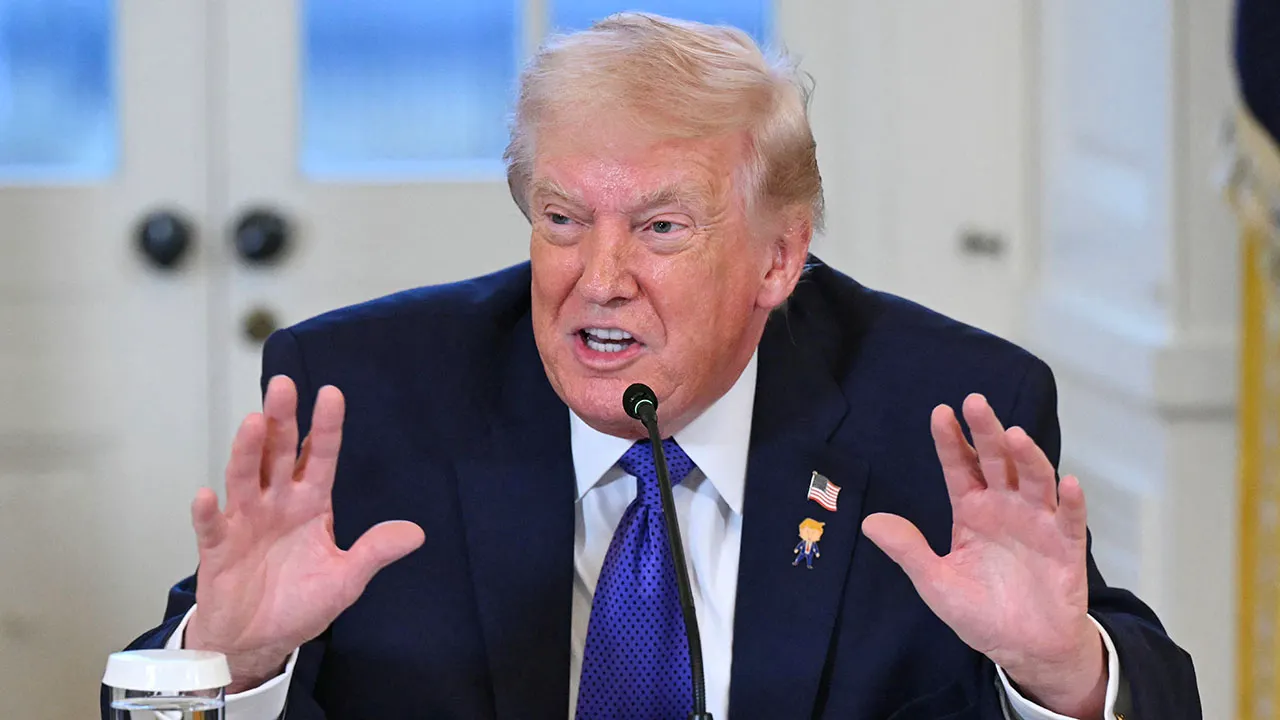
Former President Donald Trump has renewed his opposition to New York City’s congestion pricing program, demanding its immediate termination. In a post on his Truth Social platform, Trump expressed his love for New York while criticizing what he perceives as destructive policy choices. “Congestion Pricing in Manhattan is a DISASTER for New York,” Trump wrote. “It’s got to be ended, IMMEDIATELY! It’s never worked before, and it will never work now.” His comments reflect a long-standing position against the initiative, which he previously attempted to halt during his administration, even threatening to withhold federal funding from the city if officials didn’t abandon the program.
The congestion pricing system, implemented in January 2025, employs electronic license plate readers to charge most vehicles entering Manhattan below 60th Street. During peak hours, drivers face a $9 toll to enter the zone. City officials designed the program with dual purposes: reducing traffic congestion in one of America’s busiest urban centers and generating revenue to fund improvements to New York’s aging mass transit infrastructure. The approach mirrors similar systems that have been implemented in other major global cities like London, Stockholm, and Singapore, though its application in New York represents the first major American city to adopt such a comprehensive congestion pricing scheme.
Several months after its introduction, New York City officials reported that the program had achieved some of its intended goals, claiming traffic reductions of 8% to 13% in the affected areas. These statistics suggest the toll may be working as designed, pushing some drivers to reconsider their transportation choices when entering Manhattan’s core business and tourist districts. However, critics like Trump remain unconvinced that the benefits outweigh what they see as an additional financial burden on commuters, visitors, and businesses that depend on vehicular access to Manhattan.
The debate over congestion pricing highlights broader tensions regarding urban transportation policy across America. Supporters view such measures as essential tools for modern cities dealing with environmental concerns, infrastructure funding gaps, and quality-of-life issues stemming from excessive traffic. They argue that shifting some car traffic to public transportation creates a more sustainable and efficient urban environment. Critics counter that congestion pricing disproportionately impacts middle-class commuters and small businesses while failing to address fundamental issues with public transit systems that many find inadequate alternatives to personal vehicles.
New York Governor Kathy Hochul has defended the program, particularly on its one-year anniversary on January 5th. During a press conference, she highlighted what she characterized as diminishing opposition to the toll. “The opposition’s kind of calmed down, right?” Hochul remarked. “Anybody noticed that it’s calmed down because people like getting across the bridges faster. They like coming to the city with more time on their hands. They’re happy not to sit in traffic.” Her comments suggest that initial resistance may have given way to acceptance as residents experience potential benefits like reduced travel times and less congestion in central Manhattan.
Trump’s renewed criticism comes amid his broader political positioning regarding urban policy issues. His statement expressing love for New York while opposing congestion pricing reflects his complex relationship with his home city, where he built his real estate empire but has faced significant political opposition. The congestion pricing debate touches on fundamental questions about the future of American cities: how to balance accessibility with sustainability, how to fund aging infrastructure, and how to create urban environments that remain vibrant while addressing growing environmental and congestion concerns. As cities across the country watch New York’s experiment, the political and practical debates surrounding congestion pricing are likely to continue evolving, influenced by both measured outcomes and the passionate perspectives of figures like Trump and local officials.