

Trump Details Maduro’s Capture in Exclusive Fox Interview
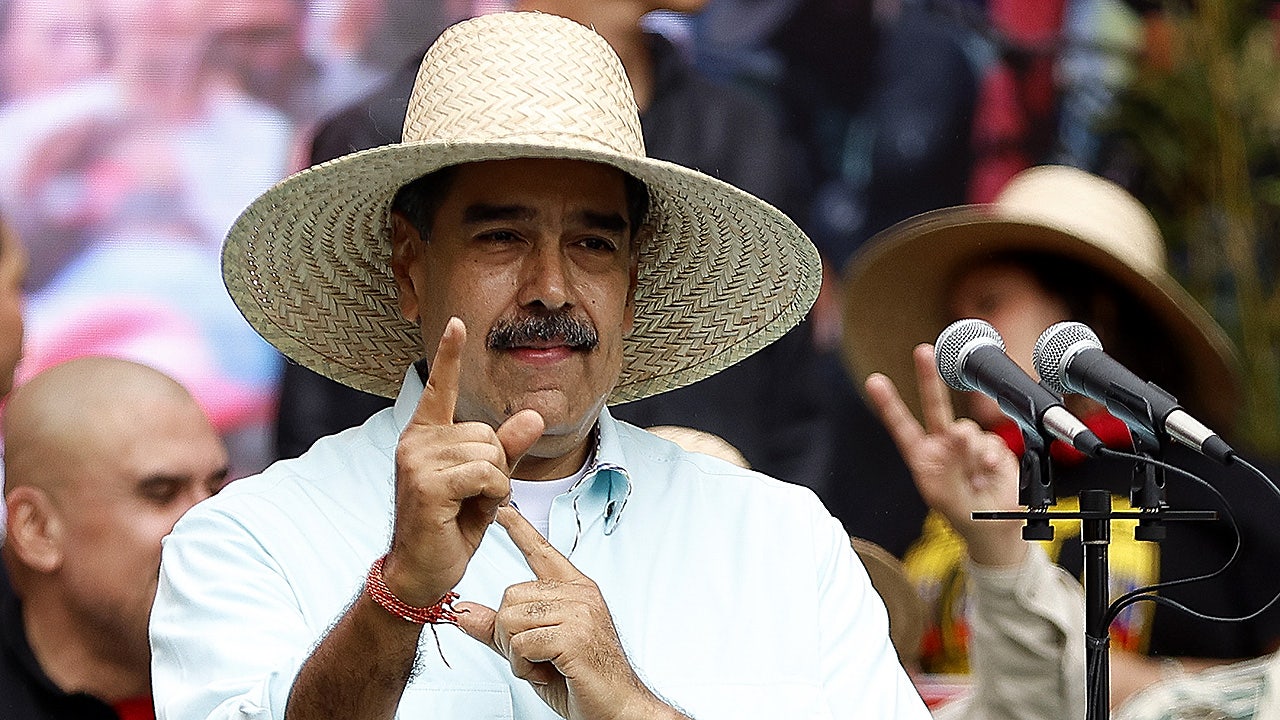
In an exclusive interview with “Fox & Friends Weekend,” President Donald Trump shared the dramatic details of Venezuelan President Nicolás Maduro’s capture by American special forces. Trump described how he observed the “extremely complex” operation unfold from a room in his Mar-a-Lago residence in Florida, watching alongside military generals as events developed in real-time. The operation had been delayed several days due to weather conditions before commanders finally gave the go-ahead. When the moment came, American forces moved swiftly against Maduro, who was staying in what Trump characterized as more of a “fortress” than a house. The Venezuelan leader was caught off guard in his heavily fortified residence, which featured steel doors and a special “safety space” surrounded by solid steel. According to Trump, Maduro was attempting to reach this secure area but “got bum rushed so fast” by American forces that he couldn’t make it there. U.S. forces had come prepared with “massive blowtorches and everything else” necessary to breach the steel barriers, but ultimately didn’t need them because of their lightning-fast entry.
The operation’s execution reflected meticulous planning by American military and intelligence agencies. Trump revealed that preparation included building an exact replica of Maduro’s house, complete with “all the safes, all the steel” so that forces could practice the raid with precision. A U.S. official briefed on the matter told Fox News that the U.S. Army’s Delta Force physically captured Maduro, with crucial intelligence support from the CIA that helped pinpoint the dictator’s location. Trump expressed relief that no American forces were killed during the operation, though he noted that “a couple of guys were hit” but had returned to service and were reportedly “in pretty good shape.” Following the capture, Maduro and his wife were transported via helicopter to the U.S.S. Iwo Jima, and were being taken to New York to face serious charges including narco-terrorism conspiracy.
When discussing Venezuela’s future in Maduro’s absence, Trump indicated that decisions were still being made about the path forward. “We can’t take a chance of letting somebody else run and just take over where he left off,” the president stated, suggesting that the United States would remain heavily involved in the transition. Trump expressed his belief that Venezuelans were “very, very happy” about the development because “they love the United States” and had been living under what he described as “essentially a dictatorship or worse.” The president framed the military operation as not just a political intervention but as a humanitarian effort, claiming it was “saving lives because the drug trafficking is so bad, it’s gotten so out of control” under Maduro’s leadership.
The capture represents a significant moment in U.S.-Venezuela relations and potentially marks a turning point for the South American nation that has suffered through years of economic collapse and political repression. Maduro’s leadership had been marked by hyperinflation, food and medicine shortages, and mass exodus of citizens seeking better conditions elsewhere. His government had repeatedly clashed with the United States, which had previously recognized opposition leader Juan Guaidó as Venezuela’s legitimate president and imposed sanctions on the country’s oil industry and government officials. These tensions culminated in the extraordinary decision to capture a sitting foreign head of state – an extremely rare action in modern international relations.
The operation itself raises important questions about sovereignty and international law, as military actions against foreign leaders, particularly their physical capture and removal from their country, represent significant interventions that normally would trigger international debate. However, Trump’s framing of the action emphasized the criminal nature of Maduro’s regime and the charges he faces in U.S. courts. The narco-terrorism conspiracy indictment provides legal justification for the action from the U.S. perspective, positioning it as law enforcement rather than regime change. This distinction will likely be central to discussions about the operation’s legitimacy in international forums in the coming weeks and months.
Looking ahead, Venezuela faces an uncertain transition period. The power vacuum created by Maduro’s sudden removal presents both opportunities and challenges for the Venezuelan people who have endured years of political and economic turmoil. Trump’s comments suggest that the United States plans to play a significant role in shaping the country’s future governance, raising questions about Venezuelan self-determination and sovereignty. While many Venezuelans opposed to Maduro may welcome this development, others within the country and across Latin America may view it with concern about American interventionism in the region. The international community will be watching closely to see how this extraordinary situation unfolds and what it means for Venezuela’s path toward potential democratic renewal and economic recovery.