


Trump Warns Venezuelan Leadership Following Maduro Capture
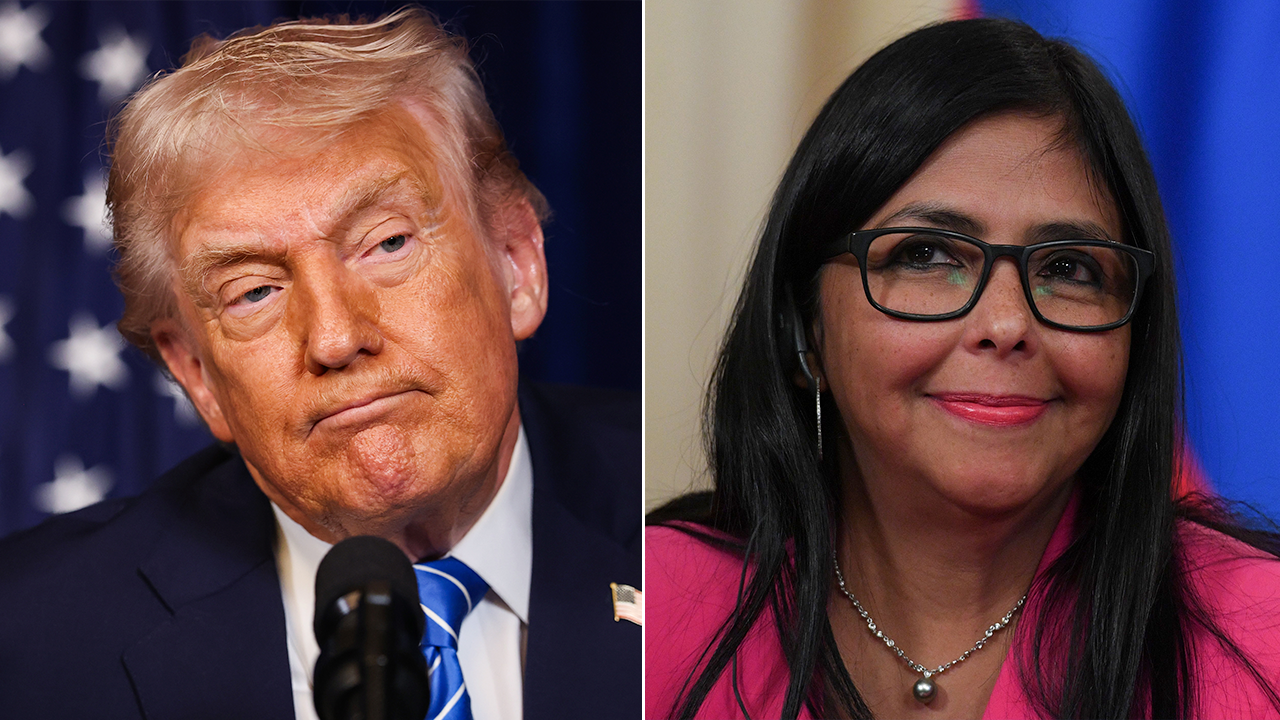
In a recent interview with The Atlantic, former President Donald Trump delivered a stark warning to Venezuela’s new leadership following the U.S.-led operation that resulted in the capture of Venezuelan President Nicolás Maduro. Trump specifically addressed Delcy Rodríguez, who has stepped into a leadership role in Venezuela, stating she would “pay a very big price, probably bigger than Maduro” if she fails to “do what’s right.” This blunt rhetoric highlights Trump’s assertive approach to foreign policy in Latin America, particularly regarding a nation that possesses the world’s largest oil reserves. The former president defended his position by arguing that “rebuilding there and regime change, anything you want to call it, is better than what you have right now. Can’t get any worse.” His comments reflect a confidence in American intervention as a solution to Venezuela’s ongoing economic and political crises.
Trump’s statements came after a dramatic predawn announcement that U.S. operators had successfully captured Maduro and his wife. In a subsequent news conference at his Mar-a-Lago estate, Trump outlined his vision for Venezuela’s future, stating that a “U.S.-appointed team would ‘run Venezuela'” until political stability could be restored. This approach represents a significant escalation in American involvement in Venezuelan affairs and raises questions about sovereignty and international relations in the Western Hemisphere. The former president also emphasized his intention to reinvigorate U.S. energy investment in Venezuela, highlighting the economic motivations behind the intervention. “We built Venezuela’s oil industry,” Trump claimed, suggesting that American expertise and capital would once again flow into the nation’s petroleum sector under his leadership.
In framing his foreign policy philosophy, Trump introduced what he called the “Donroe Doctrine”—a personalized update to the Monroe Doctrine from 1823, which historically opposed European colonial influence in the Americas. This rebranding indicates Trump’s desire to establish his own legacy in American foreign policy while maintaining traditional spheres of U.S. influence. The invocation of such historical precedent serves to legitimize what might otherwise be viewed as aggressive interventionism, positioning Trump’s actions as part of a longstanding American tradition of asserting dominance in its regional neighborhood. The comparison suggests Trump sees his approach as a natural evolution of American power projection rather than a radical departure from established norms.
Perhaps most concerning for international observers, Trump suggested that Venezuela would not be the last nation to face American pressure under his leadership. This hint at further interventions beyond Latin America signals a potentially expansionist foreign policy that could challenge relationships with allies and adversaries alike. The interview revealed Trump’s continuing interest in Greenland, the semiautonomous Danish territory in the Arctic, which he previously expressed interest in purchasing during his administration. “We do need Greenland, absolutely,” Trump told the magazine, citing American national security interests and the territory’s strategic location. This remark about a NATO ally’s territory demonstrates Trump’s willingness to pursue unconventional diplomatic strategies that prioritize American interests above traditional alliance considerations.
The capture of Maduro represents a significant geopolitical development with implications extending far beyond Venezuela’s borders. The South American nation has been caught in a prolonged economic collapse despite possessing the world’s largest proven oil reserves—greater than those of Saudi Arabia or any other petroleum-producing nation. This resource wealth makes Venezuela a strategically important country on the global stage, and Trump’s comments suggest he views American control of these resources as both an economic opportunity and a security imperative. The intervention also raises questions about the precedent being set for future American actions in sovereign nations where valuable resources or strategic positions are at stake.
As this situation unfolds, the international community watches closely to see how Venezuela’s new leadership will respond to American pressure and what consequences might follow resistance to Trump’s demands. Rodriguez faces an unenviable position—caught between defending Venezuelan sovereignty and avoiding potentially severe repercussions from the United States. Meanwhile, questions remain about the legality of the operation under international law and how other regional powers might react to such direct American intervention in Latin American affairs. The capture of Maduro and Trump’s subsequent comments mark what could be a significant shift in U.S. foreign policy toward more direct intervention in countries perceived as challenging American interests, with potentially far-reaching consequences for global power dynamics and international relations.