





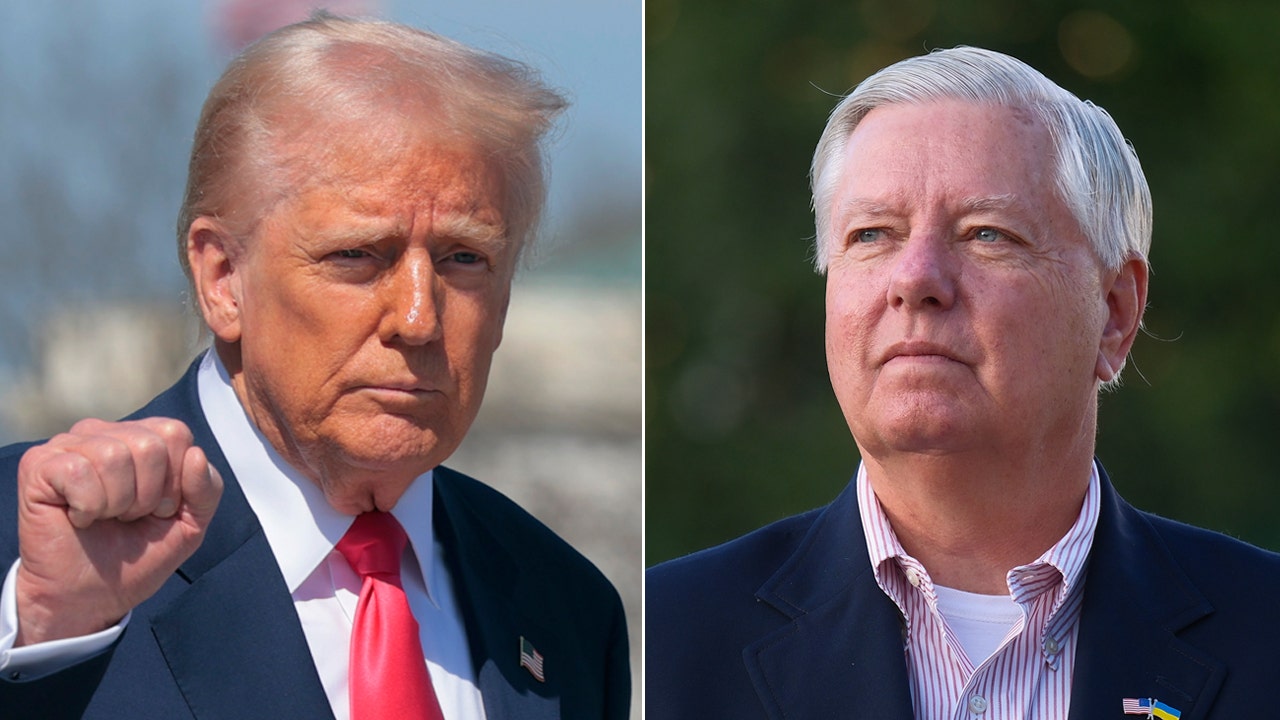
Trump Approves Bipartisan Russian Sanctions Bill to Pressure Moscow
In a significant policy development that could reshape the dynamics of the Russia-Ukraine conflict, Senator Lindsey Graham announced Wednesday that President Donald Trump has given his approval to a bipartisan Russian sanctions bill. The legislation, which Graham has been collaborating on with Senator Richard Blumenthal and others, represents what the South Carolina senator described as a “pivotal shift” in America’s approach to addressing Russia’s ongoing military actions in Ukraine. Graham shared the news via social media following what he characterized as “a very productive meeting” with President Trump, noting that the timing is particularly strategic as “Ukraine is making concessions for peace and Putin is all talk, continuing to kill the innocent.” This presidential endorsement marks a potentially decisive moment in U.S. foreign policy toward Russia at a time when the international community continues to search for effective ways to bring the devastating conflict to an end.
The Sanctioning Russia Act of 2025 stands out for its extraordinary scope and ambition, designed to provide President Trump with unprecedented authority to economically isolate Russia while also penalizing major global economies that continue to trade with Moscow or finance its war efforts. The most striking provision of the bill would require the United States to impose a staggering 500% tariff on all goods imported from any country that persists in purchasing Russian oil, petroleum products, or uranium. This approach represents a dual-pronged strategy: directly squeezing Russia’s financial capabilities while simultaneously creating powerful disincentives for foreign governments that might otherwise undermine U.S. sanctions. Graham emphasized this aspect of the legislation, stating that “This bill will allow President Trump to punish those countries who buy cheap Russian oil fueling Putin’s war machine,” specifically highlighting that it would give the president “tremendous leverage against countries like China, India and Brazil” to discourage them from purchasing discounted Russian oil that finances what Graham described as “Putin’s bloodbath against Ukraine.”
The timing of this legislative advancement appears deliberate, with Graham indicating that voting could occur as early as next week, and expressing confidence in achieving “a strong bipartisan vote.” This accelerated timeline suggests a sense of urgency among lawmakers to provide the administration with enhanced tools to address the ongoing conflict. The bill has not been without its critics, however, with Senator Rand Paul notably opposing the legislation on the grounds that it would potentially damage America’s trade relationships across much of the world. These concerns highlight the complex balancing act facing U.S. policymakers as they attempt to exert maximum pressure on Russia while minimizing collateral economic damage to American interests and relationships with other global partners who may have different perspectives on engagement with Moscow.
This legislative development comes against the backdrop of other assertive measures being taken by the United States to counter Russian interests. On the same day as Graham’s announcement about the sanctions bill, U.S. forces reportedly seized an oil tanker that was attempting to transport sanctioned Venezuelan oil to Russia. Graham publicly celebrated this action on social media, framing it as part of a broader pattern of successful U.S. interventions aimed at both Venezuela and Cuba. This coordinated approach suggests an expanding strategy that targets not just Russia directly but also seeks to disrupt its partnerships with other nations that have fraught relationships with the United States. The timing of these dual actions—the seizure of the tanker and the advancement of the sanctions legislation—may signal an intensifying U.S. determination to isolate Russia economically and diplomatically on multiple fronts.
The sanctions bill emerges during a particularly fluid moment in the geopolitical landscape surrounding the Russia-Ukraine conflict. President Trump has recently touted what he described as “tremendous progress” in efforts to bring about a resolution, while also indicating that he would meet with both Russian President Vladimir Putin and Ukrainian President Volodymyr Zelenskyy “only when” a peace deal is final. This careful diplomatic positioning suggests that the administration is leveraging both the promise of direct high-level engagement and the threat of enhanced economic pressure as complementary tools in its approach to ending the conflict. The sanctions bill could provide Trump with additional negotiating leverage as he navigates these delicate diplomatic waters, potentially strengthening America’s hand in pushing for a resolution that addresses Ukraine’s sovereignty concerns while finding a path to de-escalation.
The broader international context of these developments cannot be overlooked, particularly as other major powers like China continue their own engagement with Russia. The bill’s specific focus on penalizing countries that purchase Russian energy resources reflects a recognition that Moscow’s war effort is substantially financed through these transactions. By targeting this financial lifeline, U.S. lawmakers are attempting to address what they see as a fundamental enabler of the conflict’s continuation. The bipartisan nature of the legislation is also noteworthy in an otherwise deeply polarized political environment, suggesting that concern about Russia’s actions in Ukraine transcends traditional partisan divides. As the situation continues to evolve, the effectiveness of this approach will likely depend not just on the formal adoption of the sanctions bill but also on the administration’s willingness and ability to implement its provisions in ways that meaningfully alter the strategic calculus for both Russia and its economic partners around the world.